Plumbers warn against using chemical drain cleaners — here is how to clear a clog safely
Stop pouring chemical unblockers down your sink. Here is how to clear stubborn clogs safely.
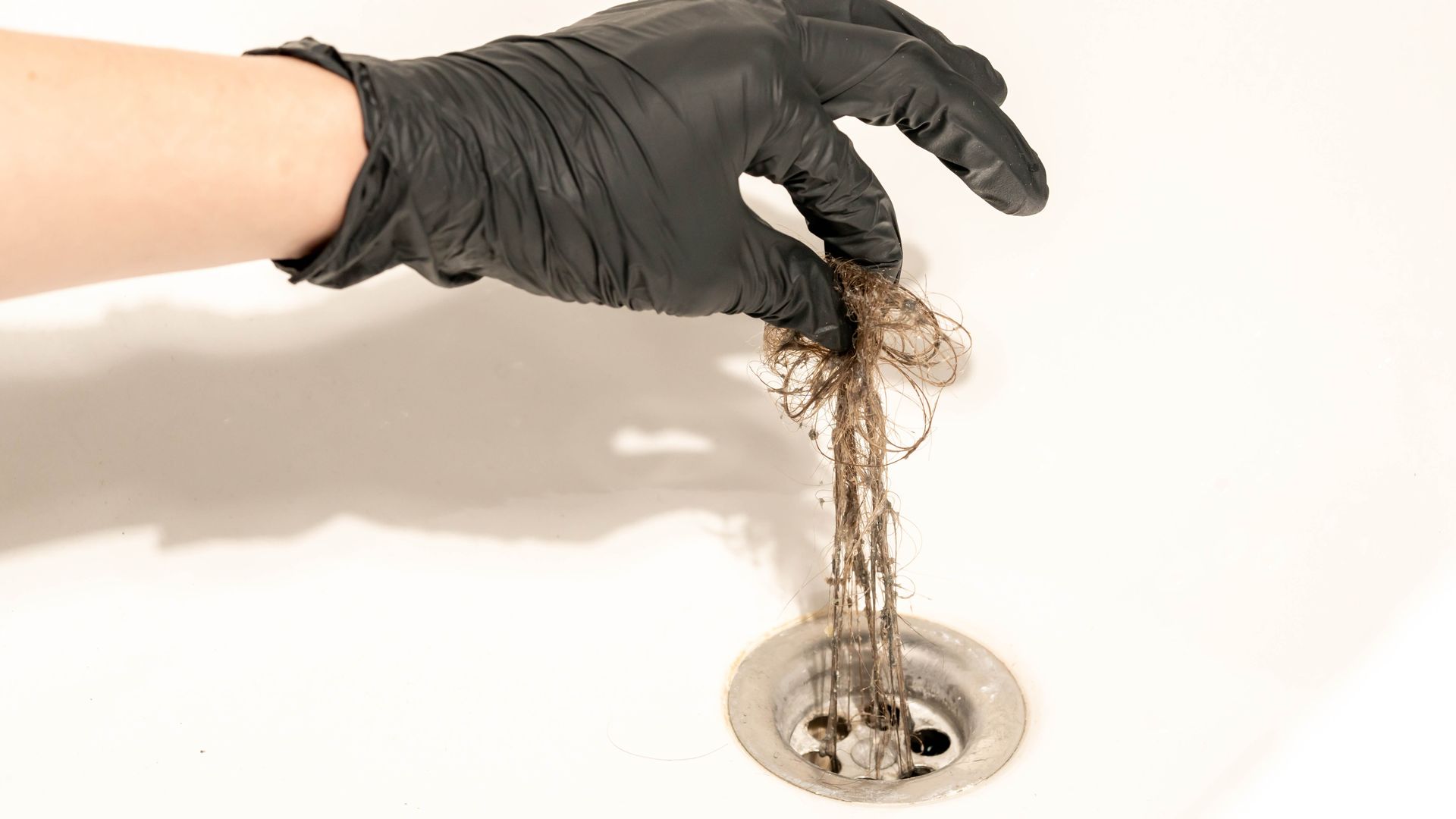
Chemical drain unblockers are popular for quick fixes, but plumbers caution against their use. Harsh chemicals such as sodium hydroxide can damage various types of pipes, including plastic PVC, corrode metal plumbing, and melt rubber seals. If these chemicals fail to clear the blockage, they leave behind a toxic pool of acid. People with long hair often experience stubborn drain clogs involving hair, soap scum, and limescale.
Previously, one person would resort to heavy-duty drain cleaners from the supermarket, but after learning about the harmful effects on both plumbing and waterways, they sought a safer alternative. Surprisingly, they found everything needed in their kitchen: white vinegar, baking soda, dish soap, hot water, and a wire coat hanger. Here's a step-by-step guide to safely unclog a drain:
1. Remove surface hair and clear the physical clog (Image: © Shutterstock) Begin by removing as much visible hair as possible from the drain. Straighten a thin wire coat hanger or use a drain snake to dislodge the clog. This may seem unpleasant, but it's essential to remove the primary obstruction to allow the cleaning agents to work more effectively.
2. Trigger the fizzing reaction (Image: © Tom s Guide) Mix baking soda and vinegar, which creates a rapid chemical reaction releasing carbon dioxide gas. The resulting foam, however, lacks the pressure to dislodge heavy grease or limescale. Allow the mixture to sit and foam for ten to fifteen minutes. This method won't work if the drain is completely blocked, as the foam will simply float on the water's surface.
3. Flush with hot water and test the flow (Image: © Shutterstock) While the baking soda and vinegar mixture works its magic, heat a pot of water and allow it to cool for around ten minutes. Aim for hot but not boiling water, as extreme temperatures can damage pipes or seals. Pour two to three cups of hot water down the drain to flush away the loosened debris. Finally, turn on the faucet to allow warm water to flow freely through the line. The water should drain quickly, and the lingering vinegar smell should dissipate.
Written by urgent.news from Tom's Guide's reporting — not their text. Machine-written — may contain errors; check the original before relying on it.