Piyush Goyal calls for WTO-compliant measures to address global trade distortions at G20 meet
Piyush Goyal warns against using supply-chain diversification as a pretext for measures that fall outside the multilateral trade framework.
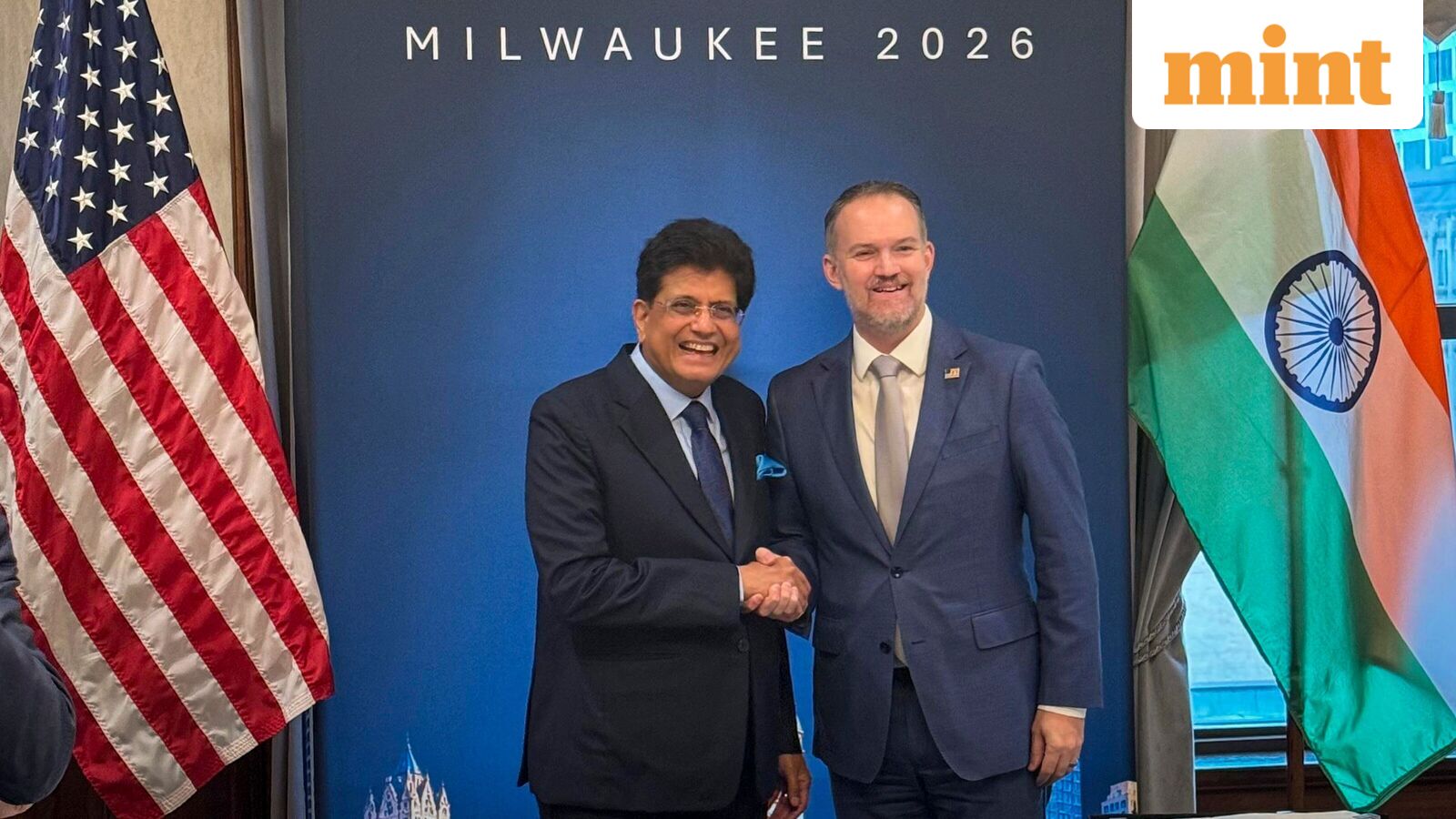
Commerce and Industry Minister Piyush Goyal stated that India possesses sufficient manufacturing capacity to serve both domestic and global needs, refuting claims of structural excess capacity in sectors highlighted by the G20 Presidency. The US holds the G20 Presidency in 2026. Goyal emphasized that industrial capacity alone is not the issue; rather, distortions can arise from geographical concentration of production driven by hidden subsidies and support.
He affirmed that diversification of production and supply chains is a valid goal, but it cannot justify measures outside WTO (World Trade Organisation) rules or impose adjustment burdens on developing nations, which must maintain policy space for industrialization.
Goyal highlighted India's concern over trade-distorting support in certain countries leading to dumping and predatory pricing, which it combats through WTO-based evidence-driven measures, including anti-dumping and countervailing duties. The US initiated Section 301 investigations on March 11 and 12, targeting 60 economies over forced labour and excess industrial capacity. One investigation concluded with a 10 percent duty on several countries, including India, while the other's findings are pending.
India, the world's fastest-growing large economy with a domestic-demand-driven system supporting 1.4 billion people, is developing manufacturing value chains from design to finished goods. Goyal participated in the concluding day of the G20 Trade Ministers Meeting in Milwaukee, Wisconsin, where he addressed structural excess capacity, production, and the Most-Favoured-Nation principle.
He stressed that measures at borders should be based on specific and verifiable evidence, respecting due process and WTO rules. India supports the elimination of forced labour in global supply chains and advocates for cooperation that does not involve monitoring or create new obligations for members. He reiterated that India's trade with G20 members is contingent on a transparent, non-discriminatory, and rules-based trading system, preserving consensus and special and differential treatment for developing countries.
Written by urgent.news from The Economic Times - Economy's reporting — not their text. Machine-written — may contain errors; check the original before relying on it.
This story
This is one outlet's version. Read the fullest account.
- Goyal at G20: India opposes making MFN conditional on WTO obligations economictimes.indiatimes.com