Patient-zero drill put health facilities to the test—40% of them failed
Actors with makeup and fake symptoms staggered into 73 healthcare facilities.
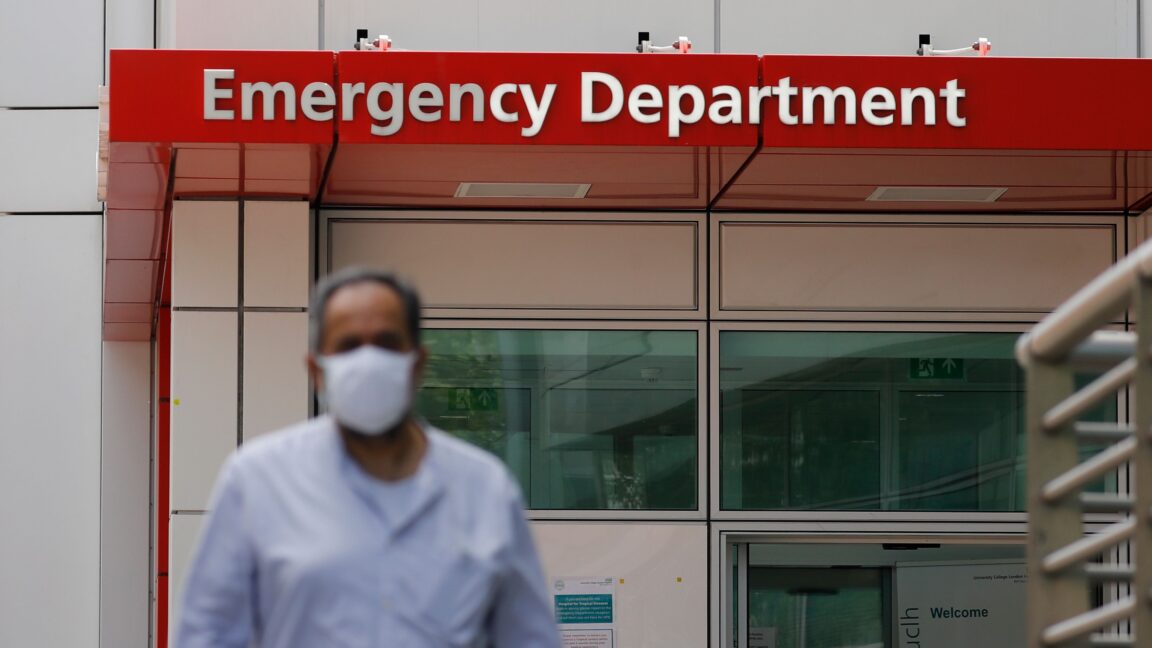
A region-wide drill in New York aimed at assessing healthcare facilities' readiness to respond to a potential pandemic-level outbreak revealed significant shortcomings. The test involved simulating a patient with an unknown infection that could pose a global health threat. However, the results were far from satisfactory, with overall response times deemed slow and the appropriate use of personal protective equipment inconsistent.
Only 60% of the participating facilities managed to pass the basics of the test, marking an overall failure.
The drill, published in the Morbidity and Mortality Weekly Report, highlighted the urgent need for improved training among healthcare personnel and facility staff. The officials emphasized the importance of earlier identification, proper use of masks, and isolation procedures for potentially infected patients with fevers. These findings underscore the critical gaps in pandemic preparedness, even at the earliest stages of a potential outbreak.
Written by urgent.news from Ars Technica Health's reporting — not their text. Machine-written — may contain errors; check the original before relying on it.