Paraguay’s Second Satellite, GuaraníSat-2, Reaches Orbit via SpaceX
GuaraníSat-2, Paraguay’s second satellite and the first designed and assembled in the country, has been placed in orbit on a SpaceX rideshare mission. The post Paraguay’s Second Satellite, GuaraníSat-2, Reaches Orbit via SpaceX appeared first on The Rio Times .
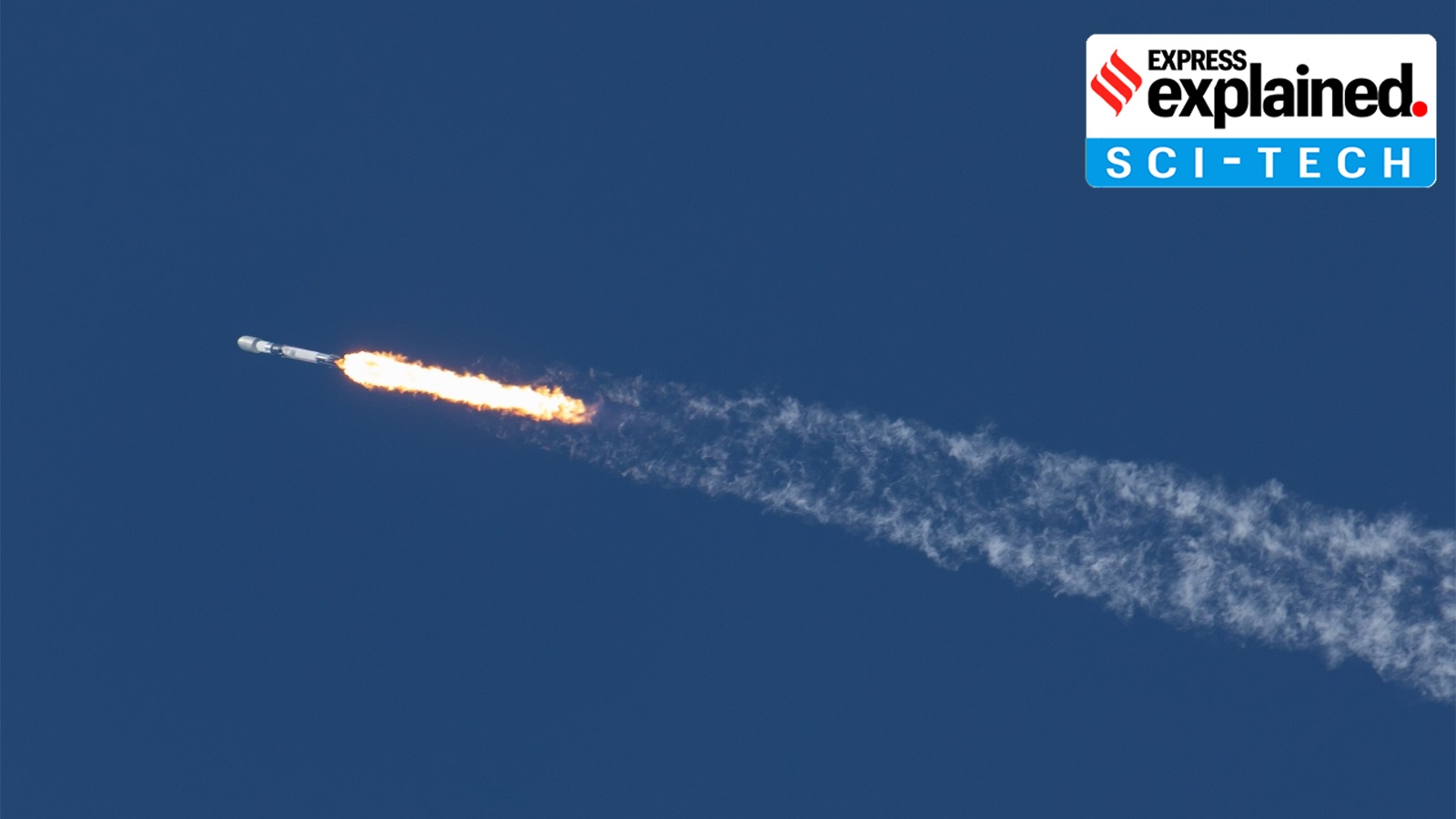
Paraguay's second satellite, GuaraníSat-2, successfully reached orbit on a SpaceX rideshare mission on October 1, 2026. This marks the first time a Paraguayan satellite has been designed and assembled within the country. The nanosatellite, measuring 30 by 10 by 10 centimeters and weighing less than four kilograms, took three years and over 40 engineers, technicians, and students to build.
GuaraníSat-2's primary mission is to conduct technical tests, including evaluating solar panels developed by an Italian company and a NASA Jet Propulsion Laboratory microchip. It will also help study the South Atlantic Anomaly, a region of weaker Earth's magnetic field that affects parts of Paraguay and Brazil. The satellite will relay data for the amateur radio community and test the effectiveness of these components in space.
The project involved more than 40 professionals and students over three years, with Japan serving as a partner for environmental testing at the Kyushu Institute of Technology. Paraguay's National University of Asunción (UNA) will use the satellite to measure the magnetic anomaly, while the data gathered will be used to develop GuaraníSat-3, a future Earth observation satellite focusing on crop monitoring.
The launch from Vandenberg Space Force Base in California was a significant achievement for Paraguay, symbolizing a new chapter in the country's space history. Esteban Fretes, director of research projects at the Paraguayan Space Agency, emphasized Paraguay's aim for greater autonomy in space technology and expressed gratitude for Japan's US$24 million contribution towards establishing a space technology center at the university.
After two years, GuaraníSat-2 will gradually lose altitude and burn up in the Earth's atmosphere, ensuring no debris remains in orbit. This successful mission showcases Paraguay's growing capabilities in space technology and paves the way for future advancements in the field.
Written by urgent.news from The Rio Times's reporting — not their text. Machine-written — may contain errors; check the original before relying on it.