Oregon couple earns $100K a year from 13 wind turbines on wheat farm
In Sherman County, Oregon, a wheat-farming family thrives, thanks to the wind turbines dotting their property. These turbines not only allow for uninterrupted traditional farming practices but also generate crucial income through payments from renewable energy projects. The McCullough family's success story highlights a unique blend of agriculture and sustainable energy, benefiting not just them…
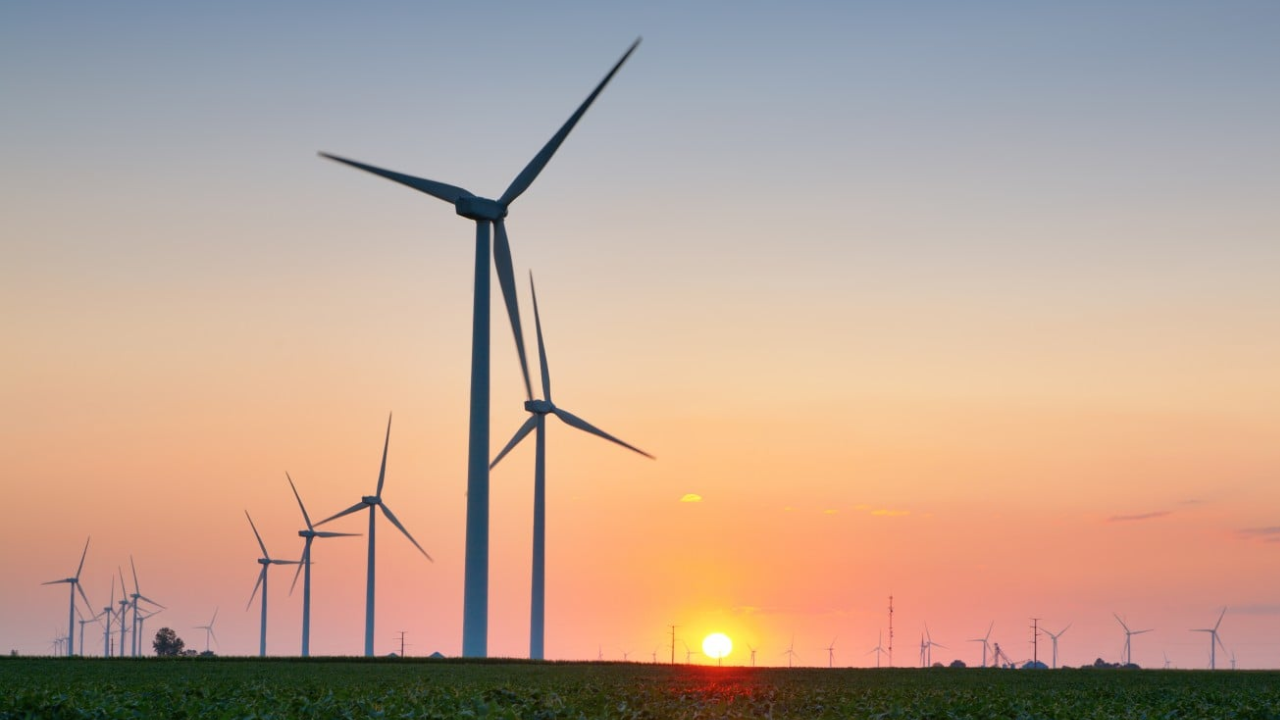
In the rural hills of Sherman County, Oregon, a wheat-growing family has discovered a way to increase their income without sacrificing their traditional farming methods. Kevin and Kathryn McCullough own land that is home to 13 of the 217 industrial wind turbines that make up the Biglow Canyon wind farm. These turbines, which turn above their fields, have provided the McCulloughs with a valuable secondary income source.
According to Kathryn McCullough, the turbines have enabled the family to earn $100,000 per year, giving them a "dual income on working land."
The Biglow Canyon wind farm was established 15 years ago by Portland General Electric (PGE) as part of Oregon's effort to boost renewable energy production. Unlike many energy projects that necessitate clearing large areas of land, the turbines leave most of the farmland available for continued agricultural use. The turbine bases and access roads occupy only a small fraction of the overall land, allowing families like the McCulloughs to continue farming while generating income from the turbines.
While wind projects can offer stable income, they also present safety concerns. In late January, a major equipment failure at the Biglow Canyon facility resulted in a broken turbine blade falling into a nearby wheat field. The blade cut a trench approximately four feet deep through the crop stubble and scattered heavy mounting bolts across the land.
This incident raised concerns about safety for farming families working in the vicinity of the turbines. After the accident, PGE implemented temporary safety measures, including shutting down all 217 turbines and conducting thorough inspections before gradually restarting operations.
Despite these risks, payments from wind leases remain a crucial source of income for landowners in Sherman County and the broader Columbia River Gorge region. These projects also contribute significantly to local tax revenue in addition to direct lease payments to property owners. The financial benefits of wind projects help pay for essential services, public roads, and rural school districts across eastern Oregon.
For farming families facing uncertain harvests, the combination of traditional farming with consistent turbine payments provides a stable income that can help maintain agricultural sustainability across generations.
Written by urgent.news from Times of India's reporting — not their text. Machine-written — may contain errors; check the original before relying on it.