OPINIÃO. Um País que se indigna, mas não protesta
Não tenho nostalgia de um Brasil honesto que nunca existiu, mas lembro do País em que cresci, da época da redemocratização. Minha memória política é marcada por cobranças fortes sobre ética e moral, uma cobrança que vinha especialmente dos mais jovens e da imprensa. Aquele Brasil da minha adolescência impôs custos políticos relevantes aos envolvidos […] The post OPINIÃO. Um País que se indigna,…
Brazil today is a nation that feels shame but refrains from protest. As I write, memories of the country I grew up in during the redemocratization era come flooding back. That era was marked by strong calls for ethics and morality, especially from the youth and the press. It imposed significant political costs on those involved in scandals, which would now be considered minor.
A Fiat Elba brought "painted faces" to the streets, and revelations from Rubens Ricupero and the breaking of secrecy led to the downfall of two powerful Finance Ministry officials. Benedita da Silva became the figurehead of the first petiste government scandal in 2003 when she stayed at a luxury hotel in Buenos Aires. Imagine a luxury hotel with only one extra star – that was the fate of the Finance Minister.
The oil industry seemed to be the final limit. The streets roared and the Jornal Nacional, then more relevant than ever, confirmed: "enough corruption." I myself marched in the streets, remembering the excitement of my friends about a Brazil that could have worked – the youth convinced that we had a decent future. If 10 years ago, with Moro as a national hero, Lula and Sérgio Cabral in prison, and a thirst for justice, they had told me that in just one decade we would be at the worst moment of moral decay in a nation, I would hardly have believed it.
The question remains: how did we get here? The most frequent argument, and perhaps correct to some extent, is that the current moral degradation is the result of two decades of hegemony by a party that is not just on the fringes but on the other side. "For evil to triumph, all that is required is for good men to do nothing," Edmund Burke taught.
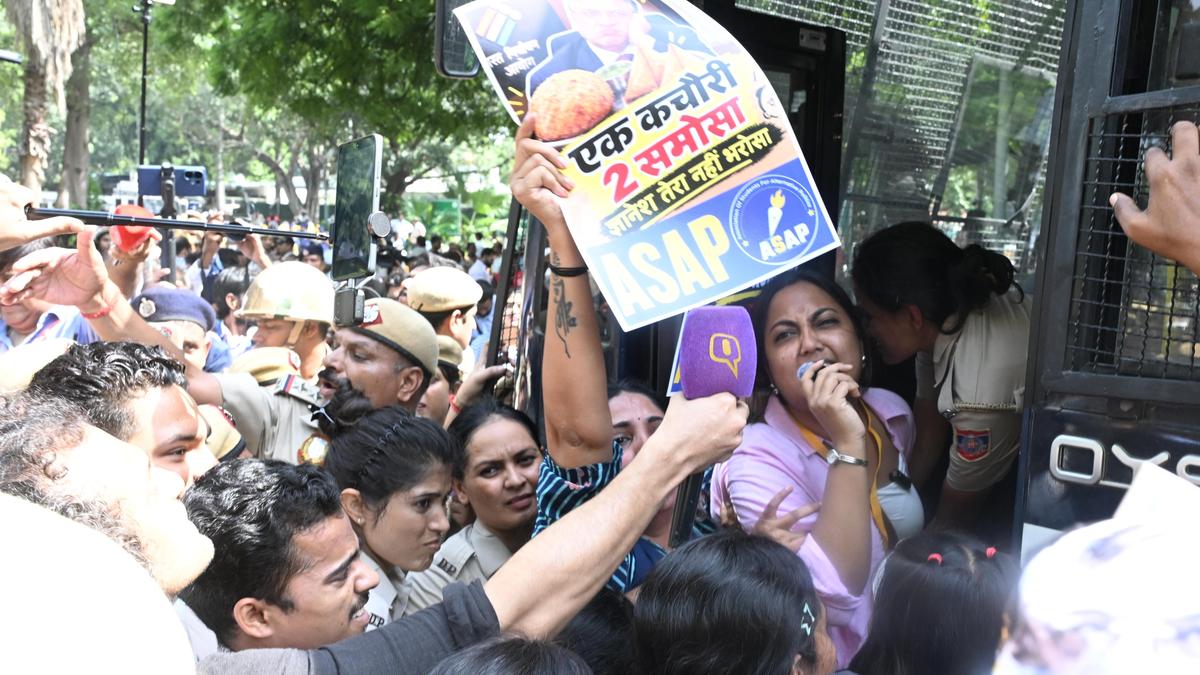
In Brazil, where unfortunately imprisonment is only for the poor, justice must come from the streets and the press. But where are they hiding? I do not believe endemic corruption is sufficient for disengagement and exhaustion of the Brazilian people. Observing history, it is clear that every major important change has a marking event – and the departure of Sergio Moro from the government backfired the Lava Jato and the hope for an honest country.
We have thrown away a long revolution initiated by the people, but defeated by personal interests. Watching the silence of the streets over Moro's defeat, the 'system' took advantage of weaknesses and procedural errors to annul Lula's conviction and bury Lava Jato. Billion-dollar fines of confessed corrupts were annulled in monocratic decisions.
My conclusion is that the partisanship that infected moral discussions destroyed our vigilance. There is no priority concern with what is right – only adjusting facts to fit arguments, or accusing the other side. The argument – dominant in traditional press and artistic class – that democratic risk overshadows everything else, and therefore this other must be relativized, is superficial.
The attack on democracy began there with the purchase of the people's house, Congress, in the Mensalão. The opposing argument – that Lula could not be criticized "until he comes back" – has fallen flat. Lula has returned, and in the process, we have lost our moral superiority of not playing with corruption. We have fallen into a sewer where it no longer matters.
Today we live under the dominion of criminals, corrupts and traffickers. I am not innocent. I do not ignore the rule of the game of a majority presidential election. We are not in parliamentarianism, and the second round in our political design is, almost by definition, the choice of the least worse. I propose that we do things differently this time, whatever the result on Sunday: let us remain vigilant and on the streets on the first day.
We cannot accept another grand deal, with the Supreme Court and everything. This is not opposition; any government will need support for important reforms, but we, those lucky enough to have been educated in a miserable country, cannot afford to again close our eyes to institutional and moral errors. We must resume the duty to watch our leaders, both in authoritarianism and morality, which is also essential for democracy.
João Landau is the founder of Vista Capital. The post OPINIÃO. Um País que se indigna, mas não protesta appeared first on Brazil Journal.
Written by urgent.news from Brazil Journal's reporting — not their text. Machine-written — may contain errors; check the original before relying on it.