Oil holds gains as U.S. weighs more Middle East military presence
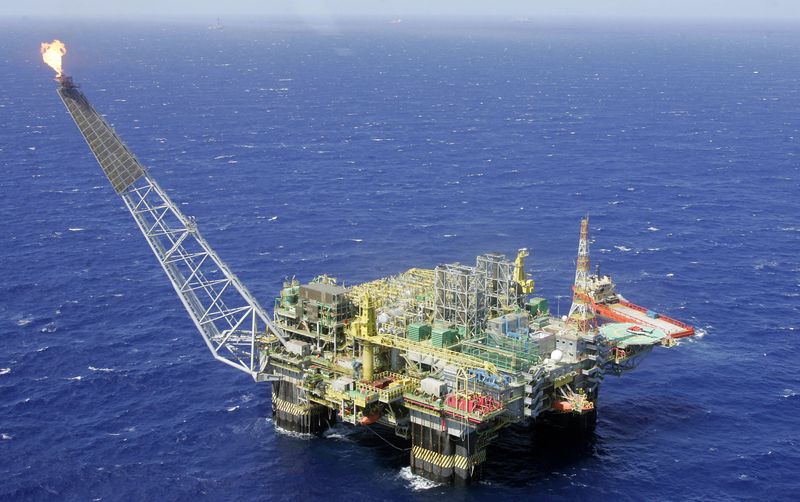
Oil prices remained relatively stable on Friday following a surge the day before, as market participants weighed the potential for an expanded conflict in the Middle East following news that the United States was contemplating adding military assets to the region due to its ongoing war with Iran. As of 21:38 ET (01:38 GMT), Brent Oil Futures for December delivery climbed 0.2% to $102.55 per barrel, while West Texas Intermediate (WTI) crude futures rose 0.1% to $92.92 per barrel.
Both indexes had surged over $4 and $2 earlier in the week, respectively. This increase followed a report in The Wall Street Journal suggesting that Washington was deliberating the deployment of another aircraft carrier group and additional troops to the Middle East, sparking worries that further military action against Tehran might disrupt oil supplies from the region.
Traders have been closely monitoring the Strait of Hormuz, a crucial shipping lane for global energy transportation. Although Gulf exports have shown signs of recovery, markets remain cautious about any disruption to tanker traffic or regional infrastructure. Saudi Arabia has resumed operations on its East-West Pipeline and restarted tanker loadings from the port of Yanbu following earlier setbacks, aiding a partial rebound in regional exports.
However, supply worries persisted, with reports indicating that Chinese refiners had halted fuel exports beyond Hong Kong and Macau in October, a move anticipated to tighten global markets for refined products such as diesel, jet fuel, and gasoline. This decision occurred as global diesel markets faced pressure from diminished Russian exports and apprehensions over possible restrictions on U.S. fuel shipments.
The United States has reportedly encouraged European nations to consider releasing emergency diesel reserves to alleviate strain on fuel markets, while market participants keep a watchful eye on refinery output and inventory levels. Despite the recent price uptick, analysts pointed out that the rebound in Middle East supply flows and apprehensions about global demand have constrained additional upward momentum.
Written by urgent.news from Investing.com's reporting — not their text. Machine-written — may contain errors; check the original before relying on it.
This story
This is one outlet's version. Read the fullest account.
- Why Russia remains stubbornly insignificant to the Middle East middleeasteye.net
- Oil surges past US$102 as US weighs sending troops to Middle East thevibes.com
- WTI Price Forecast: Dips to $91.50 as Middle East jitters limit losses fxstreet.com
- PIC assets fall R300bn after nearing R4trn mark before Middle East war businessday.ng