Nikkei Falls as Bond Yields, Oil and U.S. Jobs Data Weigh on Tokyo
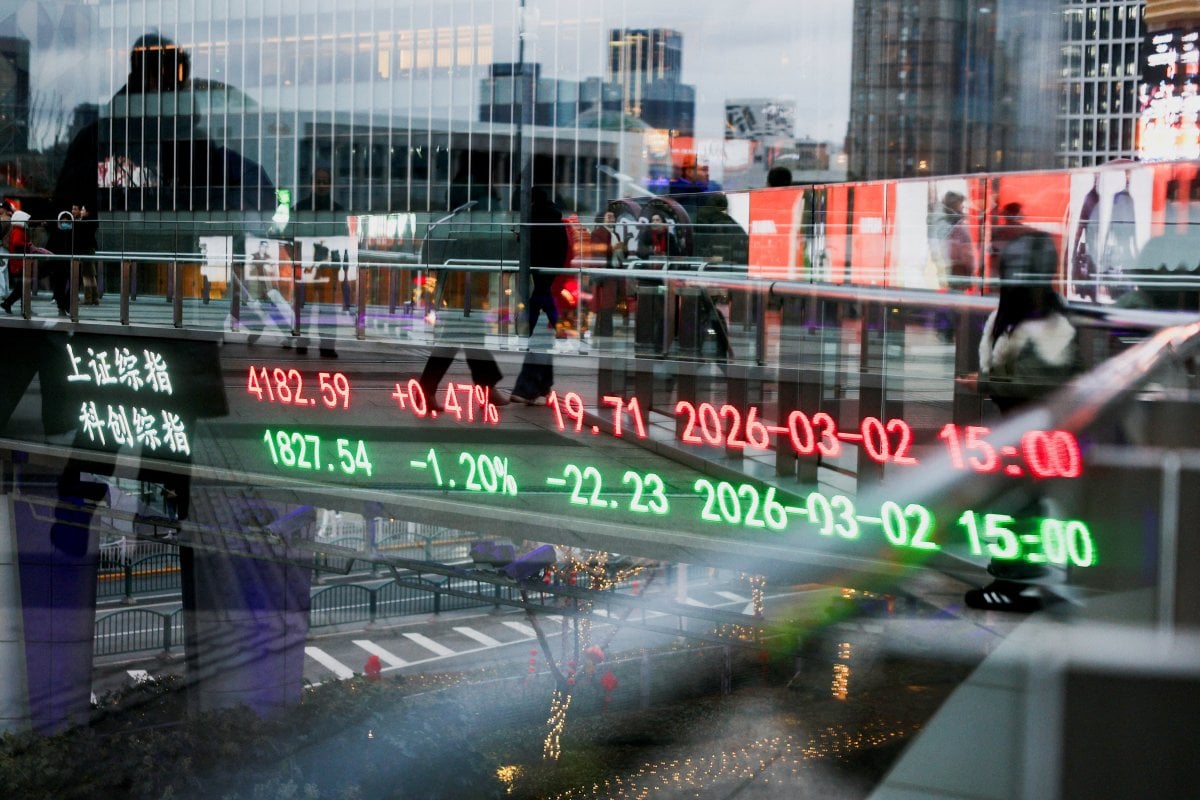
Tokyo stocks fell on October 2, with the Nikkei 225 closing at 68,309, down 647 points, as investors took profits after the previous day’s sharp rally and turned cautious ahead of U.S. employment data, rising global bond yields and renewed concern over energy prices. (News On Japan)
Tokyo stocks declined on October 2, with the Nikkei 225 closing at 68,309, down 647 points, as profit-taking followed a recent sharp rally and caution mounted ahead of U.S. employment figures. The broader TOPIX fell 40.98 points to 4,091.00, indicating the decline was not confined to the Nikkei's price-weighted structure. The selloff impacted technology, automotive, pharmaceutical, banking, and insurance sectors, although a few semiconductor-related stocks helped limit the downside.
The Nikkei opened lower at 68,313 after surging over 2,200 points on October 1, briefly touching 68,741 but failing to sustain the gain. The index ultimately settled near the lower end of its daily range. The market's weakness was a result of a brief respite after the powerful October 1 surge, driven by strong U.S. technology sentiment and optimistic views on Micron shares.
Investors capitalized on gains, particularly in stocks that had jumped significantly the previous day. The TOPIX's decline mirrored the Nikkei's in percentage terms, suggesting the weakness had spread beyond the high-priced index components. Financials, automotive, and domestic shares faced pressure as investors reconsidered the effects of high bond yields and a weakened yen.
The Nikkei's inability to maintain its morning recovery highlighted investor reluctance to chase prices before the U.S. jobs report. The upcoming U.S. employment data would be the most significant overseas development, with investors eager to see if the September jobs report bolstered expectations for additional Federal Reserve rate hikes, potentially driving U.S. yields further.
Global bond markets remained under pressure, with the U.S. 10-year Treasury yield surpassing 5% and worries about inflation, energy prices, and government borrowing keeping investors cautious about equities. High yields negatively affect stocks by increasing the discount rate applied to future earnings and making bonds comparatively more attractive.
In Japan, the 10-year government bond yield hovered near levels not seen since the 1990s, reflecting the Bank of Japan's September rate hike and expectations of further policy normalization. In September, the Bank of Japan raised its policy rate to 1.25%, the highest level in 31 years, marking a substantial shift from decades of ultra-low rates.
The yen remained weak as investors interpreted the central bank's guidance as gradual rather than aggressively hawkish. Economy Minister Minoru Kiuchi stated on October 2 that Japan was no longer in a deflationary period and did not require overly accommodative policy to spur inflation. His comments reinforced the perception that the government was less reflationist than previously presented.
This message mattered for markets, as investors sought to gauge the extent of political opposition the Bank of Japan might face if it raised rates again. If the government was more amenable to normalization, the Bank of Japan could have greater scope to tighten further. However, higher rates posed risks, supporting the yen and curbing imported inflation, but also raising borrowing costs for households, companies, and the government.
They could also weigh on growth shares and diminish the appeal of high-valuation sectors. The yen traded near the 158 level against the dollar, staying weak even after the Bank of Japan's September rate increase. Although high oil prices were a significant concern, Brent crude remained above $100 a barrel due to ongoing Middle East tensions and supply uncertainty.
For Japan, elevated oil prices posed a direct inflation risk, as the country imports most of its energy. Higher crude prices exacerbated fuel, electricity, aviation fuel, shipping, logistics, chemical, and manufacturing costs. If oil stayed above $100 while the yen weakened, imported inflation could escalate once more, complicating the Bank of Japan's task.
A weak yen and high oil prices bolstered arguments for further rate hikes, but higher rates could undermine equities, bond markets, and borrowers. Technology and semiconductor shares experienced mixed performance after the previous day's robust advance. While some chip stocks resisted the broader sell-off, the sector as a whole lacked the same momentum observed on October 1.
Tokyo Electron and Advantest, both large index constituents and major beneficiaries of the global AI semiconductor cycle, were crucial to the Nikkei's direction. Their movements could significantly influence the Nikkei even when the broader market remained weak. SoftBank Group faced mixed fortunes as well.
Written by urgent.news from News On Japan's reporting — not their text. Machine-written — may contain errors; check the original before relying on it.