New Poster Exhibition Showcases the Importance and Impact of Indigenous Designers
“Designed to Be Red: Native American & Indigenous Poster Works” is now on view at Poster House in New York City through February 21, 2027.
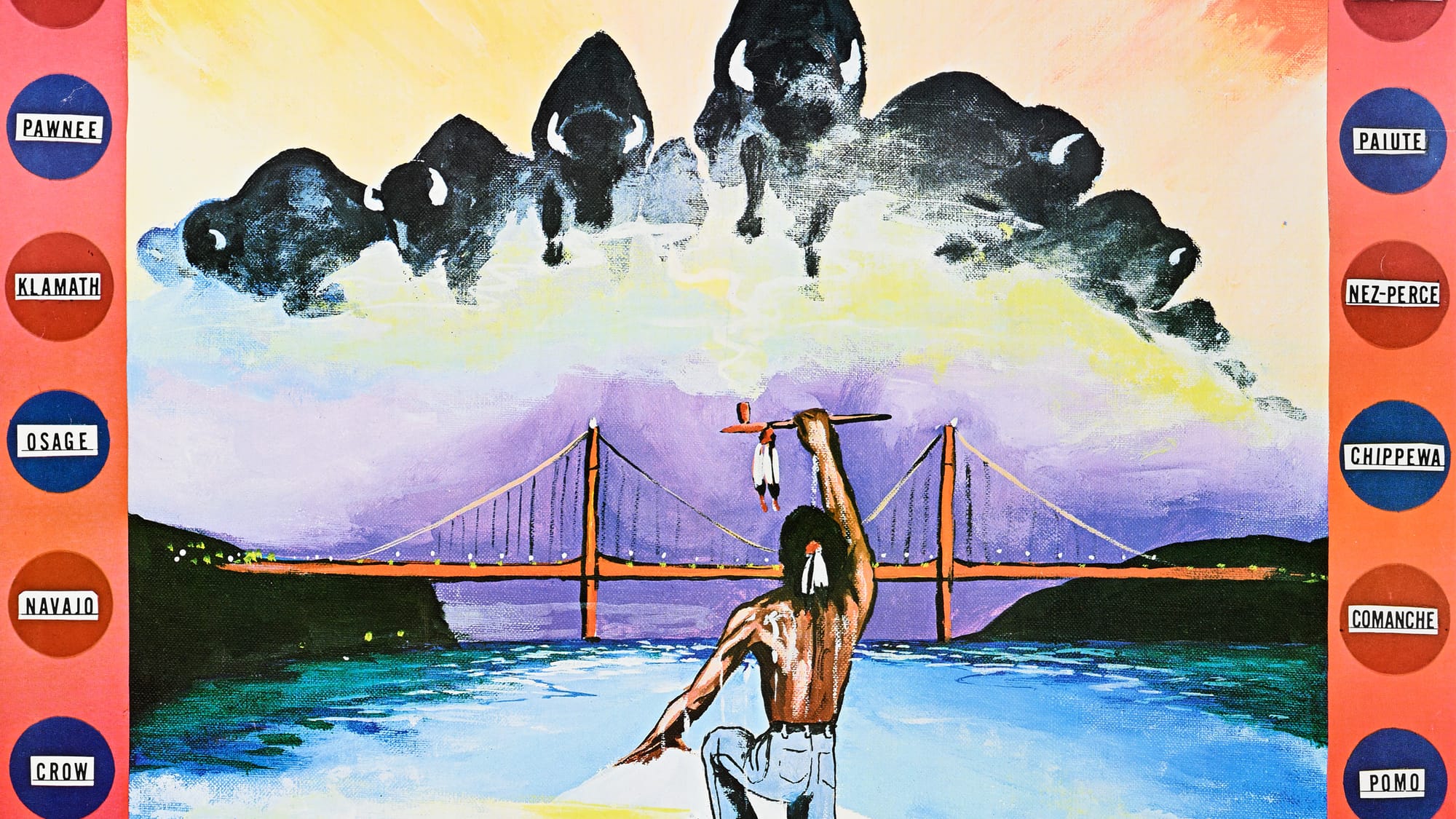
In November 2022, Brian Johnson, a Monacan Indian Nation member, delivered a lecture titled "Posters That Sing: Notes on Indigenous Poster Design" at Poster House in New York City. This lecture led to his curation of the current exhibition "Designed to Be Red: Native American & Indigenous Poster Works," which is on display at Poster House until February 21, 2027. Johnson has also published an expanded companion text, "Designed to Be Red: Native American & Indigenous Graphic Works," available at the museum's shop.
The exhibition showcases over 100 years of visual history, challenging colonialist narratives in design and demonstrating that Indigenous perspectives have always been integral to the practice. It features works by modern Native artists such as Kent Monkman, Jeffrey Gibson, and SIYO-WIN, proving that their influence continues into the present day.
Brian Johnson noted that for a long time, Native Americans were seen as craft makers and ethnographic objects. However, this exhibition highlights their ongoing presence in the design world. The show includes posters created in response to significant events like the Alcatraz Protests, the Dakota Access Pipeline, and the awareness campaign for murdered and missing Indigenous women.
The exhibition is divided into five sections: "Indigenous Joy," "Creative Sovereignty," "Resistance and Protest," "It's Complicated," and "Extractive Marketing." The latter section includes some mainstream but problematic posters, intended to be viewed separately from the rest of the exhibition. Johnson's modern approach offers a stark contrast to previous exhibitions of Indigenous works at larger institutions.
The exhibition's five sections include:
1. Indigenous Joy: Celebrating the vibrant and joyful aspects of Native American life.
2. Creative Sovereignty: Highlighting the independence and autonomy of Native American designers.
3. Resistance and Protest: Showcasing posters created in response to significant social and political issues.
4. It's Complicated: Addressing the nuanced and complex aspects of Indigenous experiences.
5. Extractive Marketing: Featuring mainstream but problematic posters that may evoke mixed reactions from viewers.
The exhibition provides a record of contemporary Native American life, featuring posters such as "We Are Still Here" by Jimmy Dean Horn, "Protect the Sacred" by Siyowin, and "Water is Life" by Onaman Collective. By presenting a modern, rigorously modern approach to Indigenous design, "Designed to Be Red" stands out for its commitment to accurately representing contemporary Native American experiences.
Written by urgent.news from Hyperallergic's reporting — not their text. Machine-written — may contain errors; check the original before relying on it.