Nepal's nightmare and the case for climate accountability
IT is peak climbing season in the Himalayas. But a Nepali friend, a mountaineering guide, laments how the devastating Aug 26 glacial flood at the Nepal-Tibet border is having a dampening effect on the tourist trade impoverished Nepal heavily relies on.
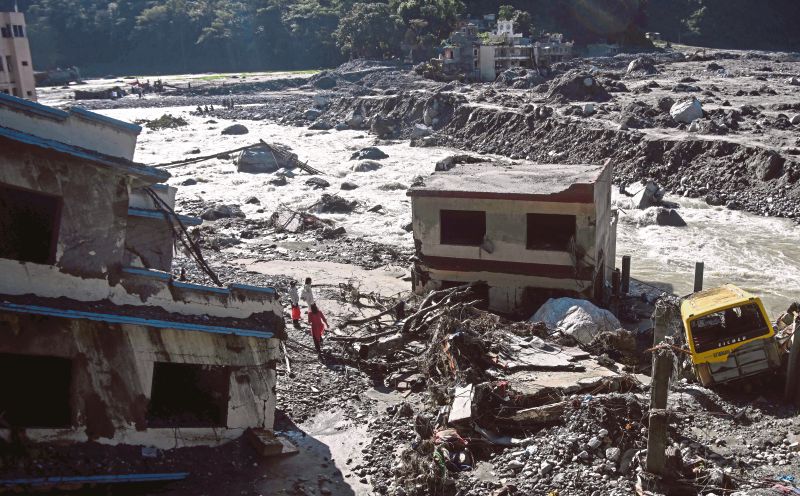
Nepal is grappling with the aftermath of a devastating glacial flood that struck the Nepal-Tibet border on August 26, dampening the once bustling tourist trade that the country heavily relies on. A Nepali friend, a mountaineering guide, laments the impact on his family as trekker numbers have dwindled to a trickle, making it difficult for him to support his wife and child. Many Nepalis are forced to seek better-paying jobs abroad, often in Malaysia, due to the dire economic situation.
The flood has claimed nearly 1,500 lives and left thousands more missing and presumed dead, including Malaysians. The images of the flood's destruction have been broadcast worldwide, highlighting the severity of the situation. Rebuilding efforts, including repairing over a dozen hydropower dams and rehabilitating affected regions, are reportedly costing billions of US dollars.
Foreign aid, albeit increasing slowly, remains insufficient to tackle the challenges faced by the newly formed government in Kathmandu, which assumed power following political turmoil.
Nepal's predicament underscores the broader issue of climate change and climate justice. Developing countries like Nepal contribute minimally to greenhouse gas emissions, yet they bear the brunt of the most devastating effects. As global warming continues or even accelerates, the collapse of ancient glaciers in the Himalayas could become a more frequent occurrence, leading to even more catastrophic devastation.
The relocation of entire populations may be the only viable solution, whether to address rising sea levels in Pacific island nations or the impact of climate change on the Himalayas.
Nepali Prime Minister Balendra Shah addressed the United Nations General Assembly on September 24, drawing attention to the "Himalayan Tsunami" that occurred just a month earlier. He estimated the destruction's cost to be about a tenth of Nepal's GDP and proposed a joint regional framework involving Nepal, India, and China to share satellite data, monitor glacial lakes, and upgrade early warning systems.
Crucially, Shah called for wealthy countries, particularly major polluters, to provide grant-based financing instead of loans to help manage climate disasters. The question remains: will the world heed these calls for climate accountability?
Written by urgent.news from New Straits Times's reporting — not their text. Machine-written — may contain errors; check the original before relying on it.