NASA Selects Projects to Engage Communities Across the US With NASA Science
NASA’s Science Mission Directorate (SMD) has selected the next portfolio of Science Activation project teams through the ROSES‑25 (F.6 Science Activation) solicitation. Science Activation is a nationwide network of competitively-selected, collaborative projects that extend the impact of NASA science by connecting people and communities – many of whom would not otherwise meaningfully engage – with…
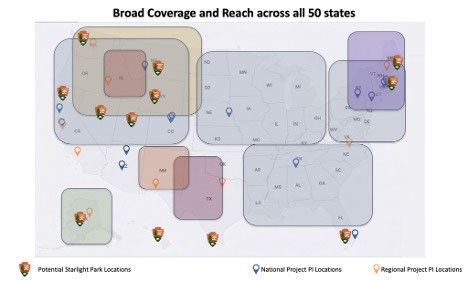
NASA's Science Mission Directorate (SMD) has chosen 24 organizations for Science Activation projects, a nationwide initiative that brings NASA science to diverse communities across the United States. These projects, funded with approximately $23 million, aim to engage people of all ages and backgrounds with NASA's data and experts, while fostering the next generation of STEM professionals.
The selected projects span five SMD science divisions, including Astrophysics, Biological & Physical Sciences, Earth Science, Heliophysics, and Planetary Science. They will operate in every state, as well as U.S. territories, and will collaborate with local partners to maximize impact. The initiatives utilize various strategies, such as hands-on research, data analysis, and professional development, to inspire participants and advance NASA's scientific goals.
Written by urgent.news from NASA Science's reporting — not their text. Machine-written — may contain errors; check the original before relying on it.