NASA Campaign Explores Clouds Spawned by Wildfires
The Wildhorse grass fire in eastern Idaho erupted with a massive pulse of smoke. No one had expected it, but the wildfire had launched what’s known as a pyrocumulonimbus cloud, or pyroCb. It was an elusive weather phenomenon that scientists on NASA’s INSPYRE (INjected Smoke and PYRocumulonimbus Experiment) campaign spent weeks this summer hunting across […]
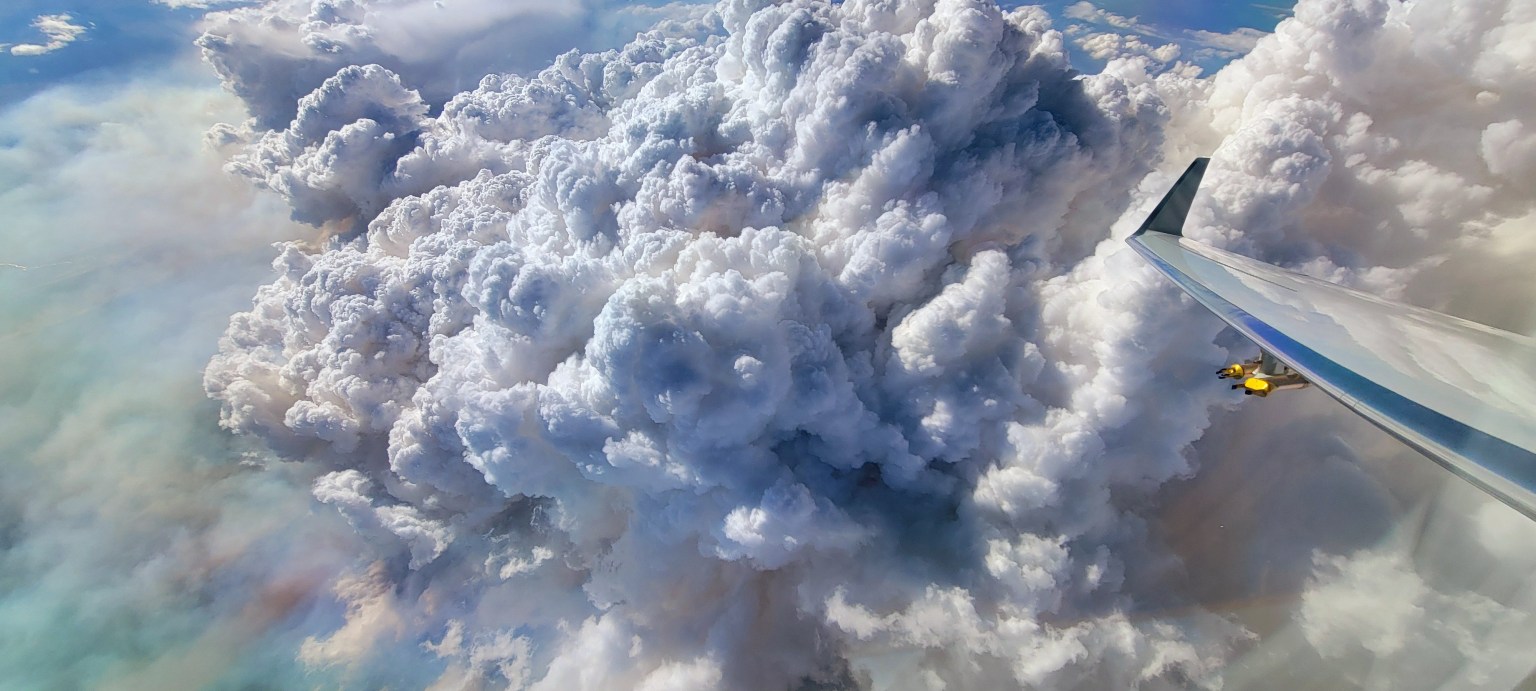
NASA's INSPYRE campaign, investigating the clouds generated by wildfires, ventured into the skies above western North America this summer. One such cloud, a pyrocumulonimbus (pyroCb) cloud, was created by the Wildhorse grass fire in eastern Idaho, which emitted a massive plume of smoke. These elusive weather phenomena were initially detected in the early 2000s through satellite observations, as the smoke reached altitudes typically associated with major volcanic eruptions.
Once in the stratosphere, pyroCb smoke can travel across continents, circle the globe, and persist for extended periods beyond the actual fire's duration. Despite their size, pyroCb clouds remain a mystery, but understanding how they form and interact with the atmosphere is crucial, as their smoke can impact climate and weather patterns far from the fire's origin.
Additionally, these clouds can produce dangerous fire-generated winds, further exacerbating the threat posed by intense wildfires.
Written by urgent.news from NASA's reporting — not their text. Machine-written — may contain errors; check the original before relying on it.
This story
This is one outlet's version. Read the fullest account.
- NASA Mission Explores Clouds Spawned by Wildfires science.nasa.gov