Matronage over patronage: the Prado and Rijksmuseum team up to research women rulers’ impact on art
The collaborative project will explore the women of Habsburg Empire and include an exhibition at the Amsterdam museum in 2029
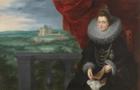
The Prado and Rijksmuseum in Amsterdam are joining forces to examine the previously overlooked impact of female rulers of Europe during the 16th century on art. This collaboration aims to shed light on the concept of "matronage" – a term coined by curators to differentiate it from "patronage."
During the Habsburg Empire, which encompassed countries including Spain and the Netherlands, several female regents emerged, collectively ruling for nearly 60 years. Margaret of Austria, Mary of Hungary, and Margaret of Parma were among these influential women. The partnership between the two museums will delve into their relationship with art and artists, with an upcoming exhibition at the Rijksmuseum in 2029.
A fellowship program, set to begin in September 2027, will provide a researcher with access to extensive archives at both institutions. Additionally, the collaboration will host expert meetings to further explore the influence of this era of female power on art.
Marion Anker, co-chair of the "Women of the Rijksmuseum" project, highlights the significant role these women played as patrons of the arts. Mary of Hungary, who governed the Netherlands and Hungary-Bohemia, is particularly noteworthy. She was praised for her intelligence and governing abilities, owning Titian's "Emperor Charles V at Mühlberg" and commissioning his "Four Furies" for her palace in Binche. These works, featuring naked male bodies subjected to punishment, served as warnings against defying imperial authority.
The project will not only investigate how these women shaped ambitious art programs but also how they used art to consolidate their power and control their own image. Anker notes that ruling women used various tactics, such as commissioning portraits in widows' caps, to demonstrate status and independence. She emphasizes that the exhibition aims to bring attention to these women's unique approaches to governance and their distinct impact on the art world.
The collaboration comes at a time when the Netherlands is seeking to examine its past and its impact on contemporary society. The director of the Amsterdam museum believes that understanding this history is crucial for shaping the country's future.
Written by urgent.news from The Art Newspaper's reporting — not their text. Machine-written — may contain errors; check the original before relying on it.