Märkte Asien: Asiens Börsen geben nach – Inflationssorgen und Nahost-Konflikt belasten
Kurz vor frischen Arbeitsmarktdaten aus den USA steigt in Japan der Verkaufsdruck. Auch frische Inflationsdaten aus Tokio besorgen die Investoren.
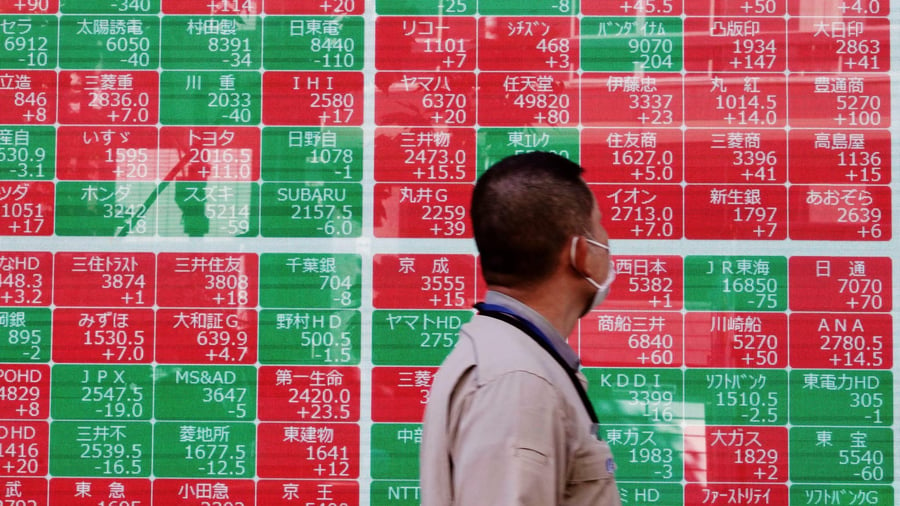
Sydney and Tokyo – Asian stock markets slipped on Friday, weighed down by upcoming U.S. employment data and geopolitical tensions. In Tokyo, the Nikkei 225 index slipped 0.9 percent to 68,327 points, while the broader Topix fell 1 percent to 4,089. Shanghai's market remained closed for a holiday, with the Shanghai-Shenzhen index not trading either. Additional market fluctuations further unsettled investors.
In Japan, unexpectedly high inflation figures and profit taking following a recent six-week high weighed on sentiment. Core inflation in Tokyo rose to 2.7 percent in September, prompting forecasts of more interest rate hikes by the Bank of Japan (BOJ). Analyst Yoshiki Shinke of Dai-Ichi Life Research Institute noted that "the inflation numbers are strong and show that companies are passing on rising costs due to the weak yen and the Iran war."
The ongoing conflict between the U.S. and Iran, along with the suspension of Chinese oil exports, added to market stress.
Despite the overall gloomy outlook, there were bright spots on the Tokyo Stock Exchange. Furukawa Electric led the gains with a 6.25 percent increase, followed by Baycurrent and Mitsui Kinzoku. Conversely, technology stocks faced pressure: SoftBank Group shares fell 5.27 percent, while Taiyo Yuden and Tokyo Electron reported significant losses.
Analyst Yuta Okamoto from Tokai Tokyo attributed the index's decline to the previous day's strong rally, suggesting that concerns over a short-term overheating could lead to profit-taking.
Written by urgent.news from Handelsblatt's reporting — not their text. Machine-written — may contain errors; check the original before relying on it.