Machine learning gets first say on who gets into SA
Human intervention in South Africa’s expanding digital visa system will increasingly be reserved for applications that raise red flags.
South Africa's Home Affairs is set to employ machine learning in its Electronic Travel Authorisation (ETA) system to determine visa applications, with human intervention only occurring when anomalies are identified. The system, already operational at four airports, processes short-stay visa applications from multiple countries, allowing eligible travelers to apply online before their trip.
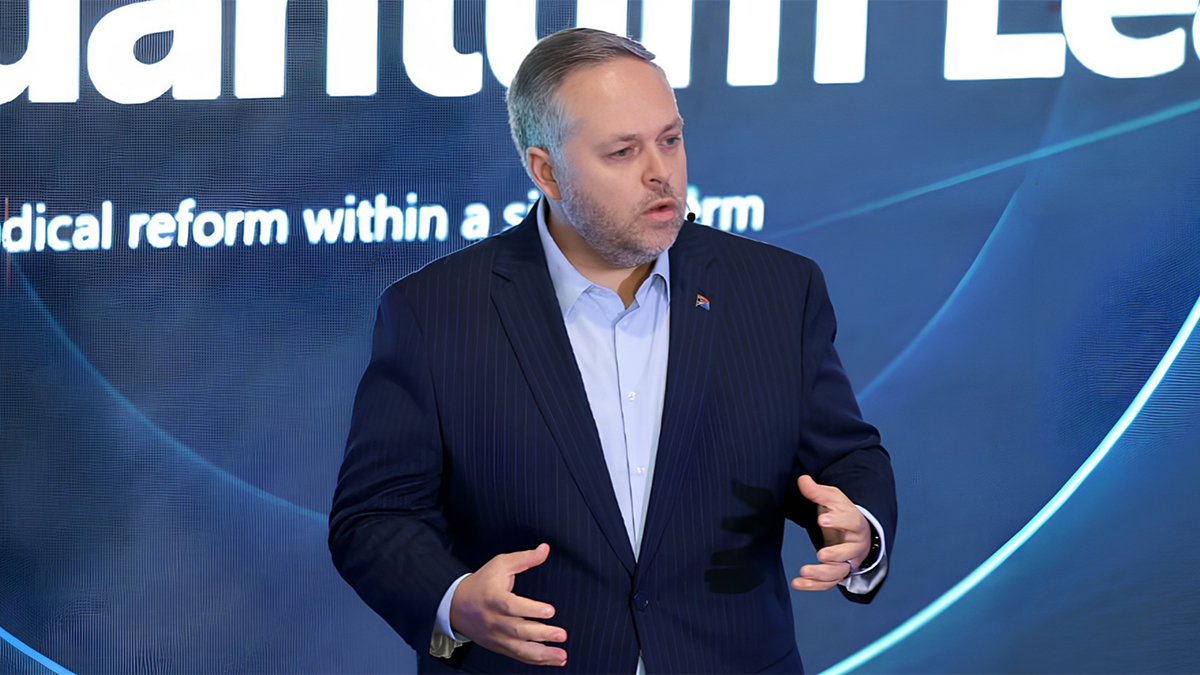
Approved authorizations are stored on travelers' phones, while biometrics are verified upon arrival. Home Affairs Minister Dr Leon Schreiber highlighted the system's risk-based, automated decision-making, stating that only anomalies require human review. The ETA cross-references applications against criminal and other databases and checks over 40 passport security parameters, including fraudulent or reused documents.
In early 2027, additional visa categories like study and work visas will be added to the ETA, eliminating human interference, fraud, or delays in South Africa's visa processing system. Schreiber emphasized that the system aims to replace human involvement entirely, calling it "revolutionary." The ETA has already reduced backlog paperwork by over 306,000 applications and cut visa processes from weeks to just 24 hours.
Home Affairs plans to expand the ETA to all ports of entry, ensuring no one can legally enter South Africa without providing the required biometrics and AI-verified credentials. The system was initially tested for G20 delegates from China, India, Indonesia, and Mexico before its official launch by President Cyril Ramaphosa in mid-August, and it now covers short-stay visa applications from 53 countries, with more being added weekly.
The Department of Tourism aims to increase South Africa's international tourist arrivals to 11.1 million by 2027 and 15 million by 2030, with the ETA system expected to contribute to this growth by speeding up applications and detecting fraud, thereby generating more revenue and jobs for South Africans.
Written by urgent.news from ITWeb's reporting — not their text. Machine-written — may contain errors; check the original before relying on it.