Longitudinal study highlights the enduring toll of childhood loneliness and social isolation
New research challenges the idea that loneliness acts as a helpful alarm bell. A 6-year study found that feeling lonely does not motivate isolated children to reconnect, and both issues independently harm future mental health and career prospects.
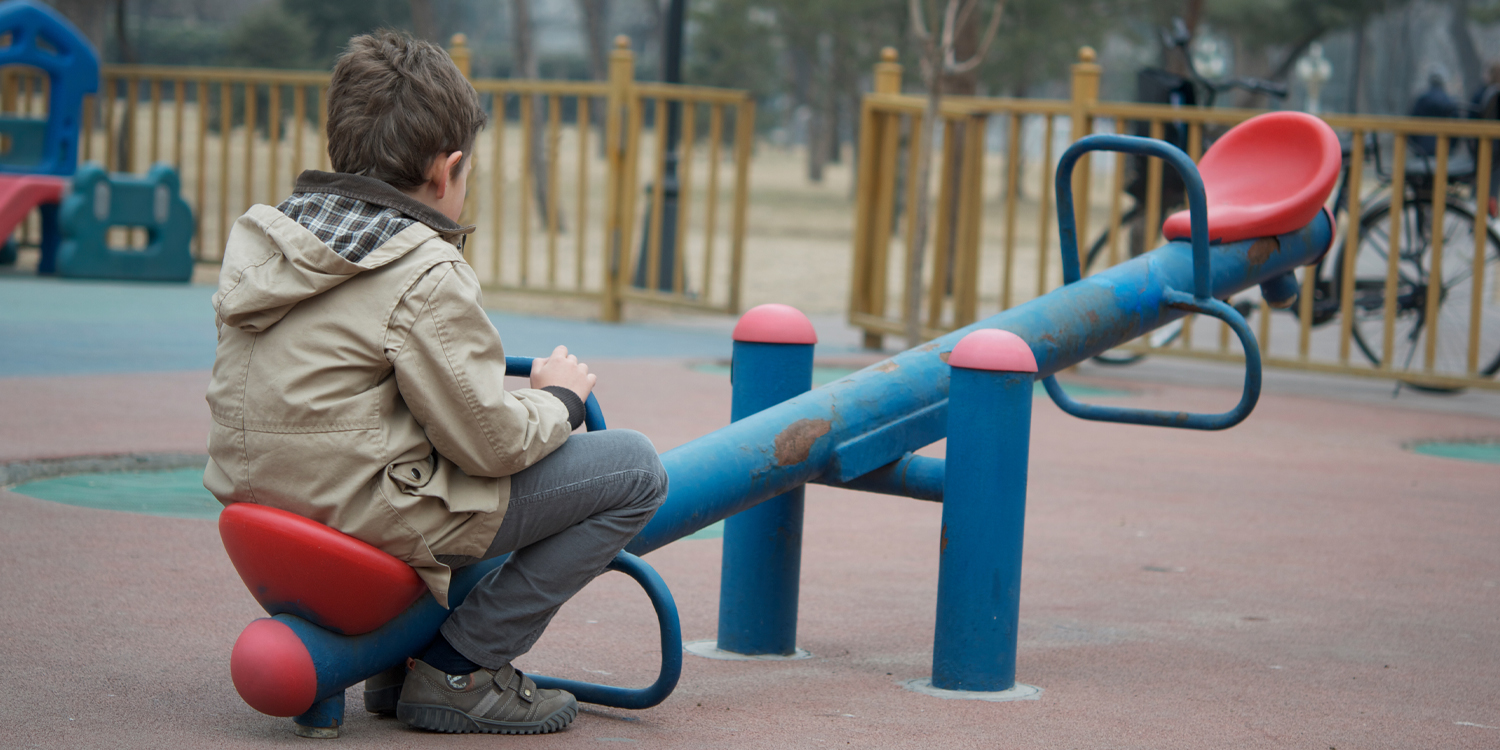
A recent research paper in Development and Psychopathology reveals that childhood loneliness and social isolation have lasting negative impacts on young adults' mental health and socioeconomic status. The study, led by Bridget T. Bryan and Louise Arseneault of King’s College London, challenges the notion that loneliness functions as a motivating force to repair social bonds.
To differentiate between social isolation and loneliness, the researchers explained that isolation refers to the objective lack of positive relationships, while loneliness is the subjective feeling of dissatisfaction with existing relationships. They distinguished these concepts by analyzing data from the Environmental Risk Longitudinal Twin Study, which followed 2,232 twins born in England and Wales in 1994 and 1995.
At ages 12 and 18, participants completed questionnaires on loneliness, social isolation, and various life outcomes, including mental health, well-being, education, and employment. The study found that loneliness and social isolation reinforce each other over time, rather than canceling each other out. Children who felt lonely at age 12 were more socially isolated at age 18, and this effect was nearly twice as strong as the reverse.
This contradicts the idea that loneliness acts as an adaptive warning signal, pushing socially isolated individuals to reconnect. Instead, the findings suggest that tackling both loneliness and social isolation directly is necessary to improve long-term well-being.
Written by urgent.news from PsyPost's reporting — not their text. Machine-written — may contain errors; check the original before relying on it.