La familia que gestiona cadenas de valor en quince países
Sesé ha pasado de tener un camión en Teruel a facturar 1.138 millones de euros. En seis décadas, esta empresa familiar se ha transformado en un grupo diversificado capaz de gestionar toda la cadena de valor con tecnología e innovación. Leer
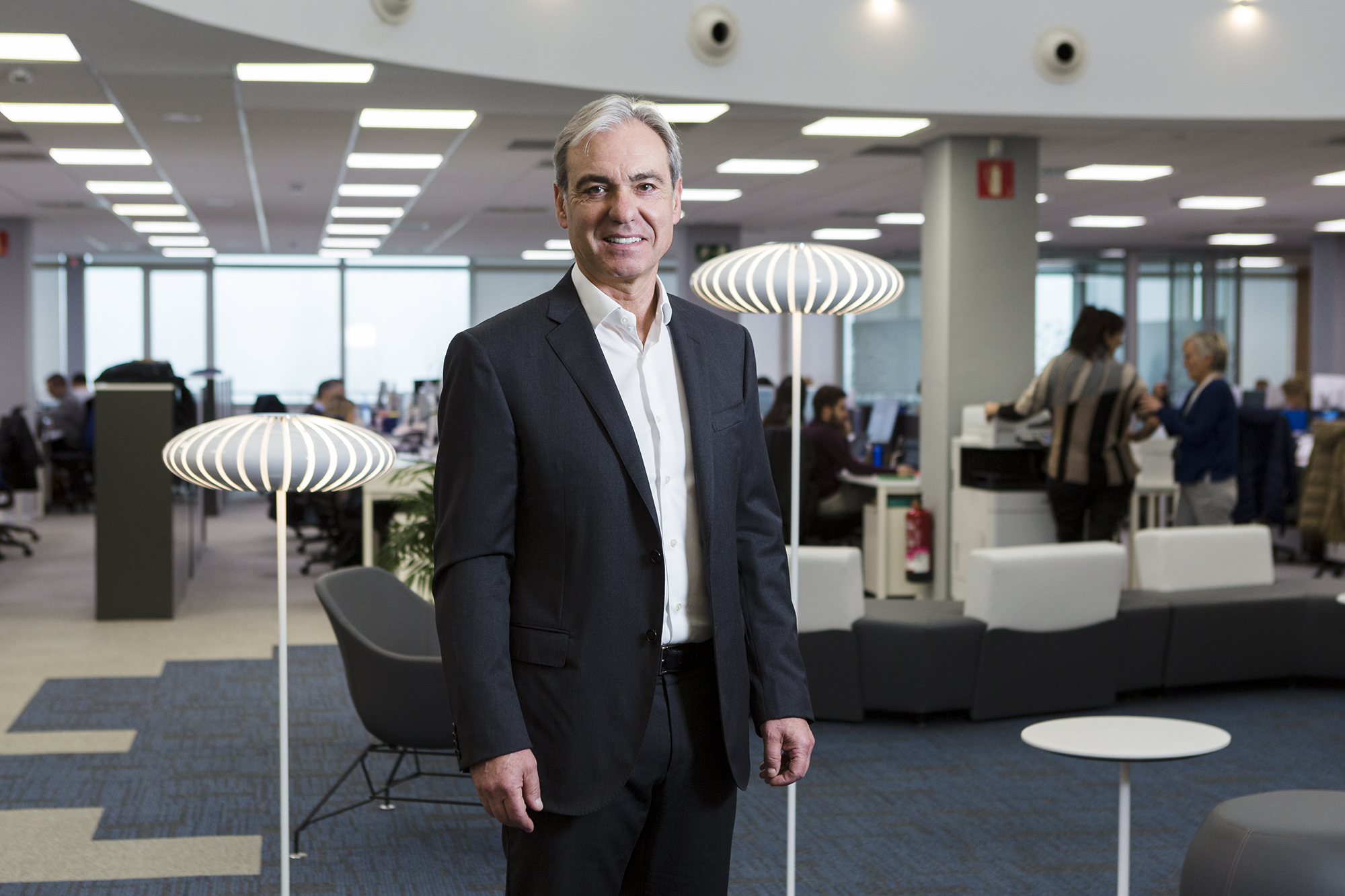
Alfonso Sesé, born in 1965, began his entrepreneurial journey in his family-owned business in Teruel, Spain. His father, Alfonso Sesé Tena, started the company in 1965, initially selling farm products before expanding into the production and assembly of automobile parts. Alfonso joined the company at 15 years old when his father's health issues forced him to take over.
The company, now known as Sesé, has grown to manage the global value chain for 15 countries, with over 17,000 employees and 99 logistics centers. Their main focus is now on the automotive industry, with a 13.8% increase in revenue in the past year. Sesé has expanded its operations globally, including in the United States, and is now seen as an integral player in supply chain management.
The company recently opened a foundation to employ people with different abilities. While they have received more than 1 billion euros in contracts over the next five years, the family is committed to keeping the business independent.
Written by urgent.news from Expansion ES's reporting — not their text. Machine-written — may contain errors; check the original before relying on it.