Kaufhäuser: Vier Insolvenzen in sechs Jahren – die Galeria-Chronik
Karstadt und Kaufhof haben deutsche Innenstädte über Jahrzehnte geprägt. Sie fusionierten, wurden zerschlagen, verkauft und wieder zusammengeführt. Ein Überblick über die Historie deutscher Kaufhäuser.
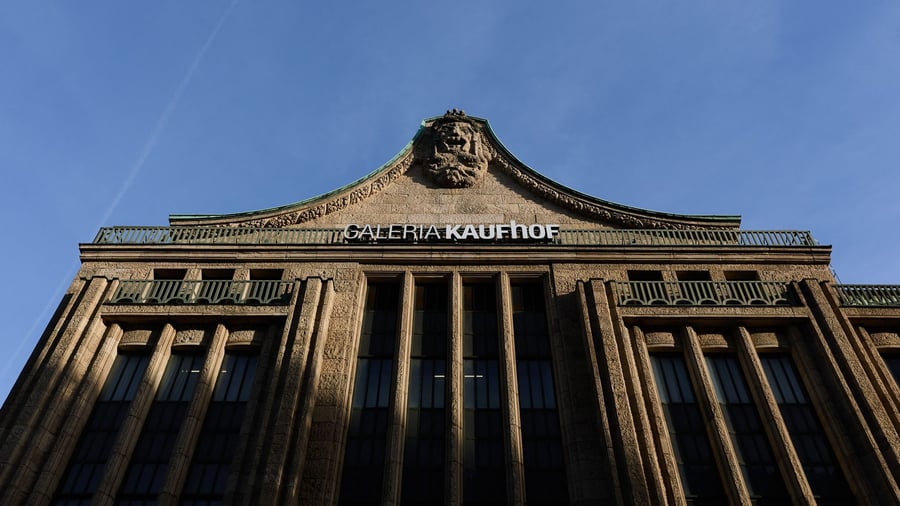
According to the source, Galeria went bankrupt for the fourth time in six years on Friday, leaving around 12,000 employees in 83 stores facing uncertainty about their future. The massive German department store chain, once the largest retailer in Germany, is set to cease operations once again. The story traces the history of four founding corporations that merged to become Galeria.
Leonhard Tietz opened a store in Stralsund in 1879, leading to the formation of Kaufhof in 1933. Rudolph Karstadt established his first store in Wismar in 1881, evolving into Karstadt AG. Hertie and Helmut Horten's Horten AG also played significant roles in shaping the German department store landscape of the 20th century. In 1994, Kaufhof acquired Horten and Karstadt AG absorbed Hertie.
By 1999, Karstadt had acquired Quelle, forming Karstadt Quelle AG, a retail giant with thousands of employees. In 2007, the company rebranded as Arcandor, but struggled financially in the following years. The first insolvency occurred in 2009, followed by further financial troubles. In 2014, Benko took control of Karstadt, aiming to revitalize the struggling company.
In 2018, Galeria Karstadt Kaufhof was formed through the merger of Karstadt and Kaufhof, with Signa retaining control. However, the company continued to face insolvency issues, culminating in a third insolvency in 2023. The final insolvency marks the end of Galeria's long and tumultuous history, with the company now operating only 83 stores and employing around 12,000 people.
Written by urgent.news from Handelsblatt's reporting — not their text. Machine-written — may contain errors; check the original before relying on it.