Justiz: Israels Oberstes Gericht lässt Araber-Parteien zur Wahl zu
Israels Oberstes Gericht kippt einen Beschluss, wonach arabische Parteien von der Parlamentswahl ausgeschlossen werden sollten. Sie könnten bei der nächsten Regierungsbildung entscheidend sein.
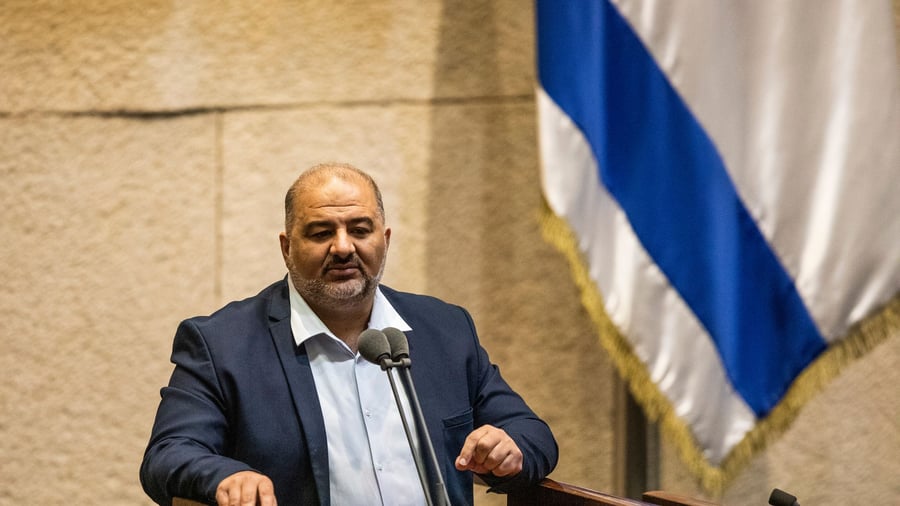
The Supreme Court of Israel has ruled that Arab parties are permitted to participate in the parliamentary elections at the end of October. The court overturned a decision by the Central Election Committee, which sought to exclude the Arab parties. The judges found that the committee's criteria for exclusion were not met. The committee had voted 18 to 5 against the Raam party, led by Mansur Abbas, and against the joint list of Chadasch, Taal, and Balad.
The complaints against the parties included allegations that they support armed conflict against Israel. The affected parties deny these allegations. The United List condemned the decision as "politically, racially, and anti-democratic." It had already been likely that the court would overturn decisions excluding Arab parties from past elections.
Approximately two million Arab Israeli citizens live in Israel, constituting about one-fifth of the population. However, they do not form a united political front. Arab parties differ significantly in their stance on the Israeli state, the Palestinian issue, and cooperation with Jewish parties. Polls suggest that neither the Prime Minister Benjamin Netanyahu's camp nor his opponents have an absolute majority in the upcoming election on October 27th.
A coalition government could be formed with the help of Arab parties, provided they surpass the 3.25% electoral threshold. Current polls show the Arab parties together with about twelve seats. The election could be particularly decisive for the Islamist-conservative Raam party, led by Mansur Abbas. The party currently holds five seats and follows a relatively pragmatic course.
It focuses on issues such as equality for Arab citizens, investment in Arab communities, and combating crime. In 2021, Raam was briefly part of an Israeli government coalition led by Naftali Bennett and Jair Lapid. Abbas recently made an unusual move by joining the Raam election list, receiving the second place without formally joining the party.
Abbas and Segalovitz present their alliance as a bridge between Jewish and Arab Israelis. However, cooperation between Arab and Jewish parties remains controversial. Netanyahu and several potential coalition partners continue to exclude Arab parties from government participation, citing security concerns and individual Arab politicians' attitudes towards Palestinian organizations.
A potential deadlock could see Raam supporting a government from outside without being a coalition member. The alliance between Abbas and Segalovitz can be seen as an attempt to ease political cooperation between the Jewish and Arab camps. Balad leader Ofer Kassif has withdrawn from the election campaign. The Supreme Court had already confirmed his exclusion from the vote.
Kassif was initially denied entry to the election, but the court ruled in his favor. The committee also decided to allow the right-wing Jewish party Ozma Jehudit, led by Police Minister Itamar Ben-Gvir, in September. The different decisions sparked a debate on whether there is unequal treatment between the political camps in Israel.
Written by urgent.news from Handelsblatt's reporting — not their text. Machine-written — may contain errors; check the original before relying on it.
This story
This is one outlet's version. Read the fullest account.