Inside the Japanese university that has produced 14 Olympic wrestling golds
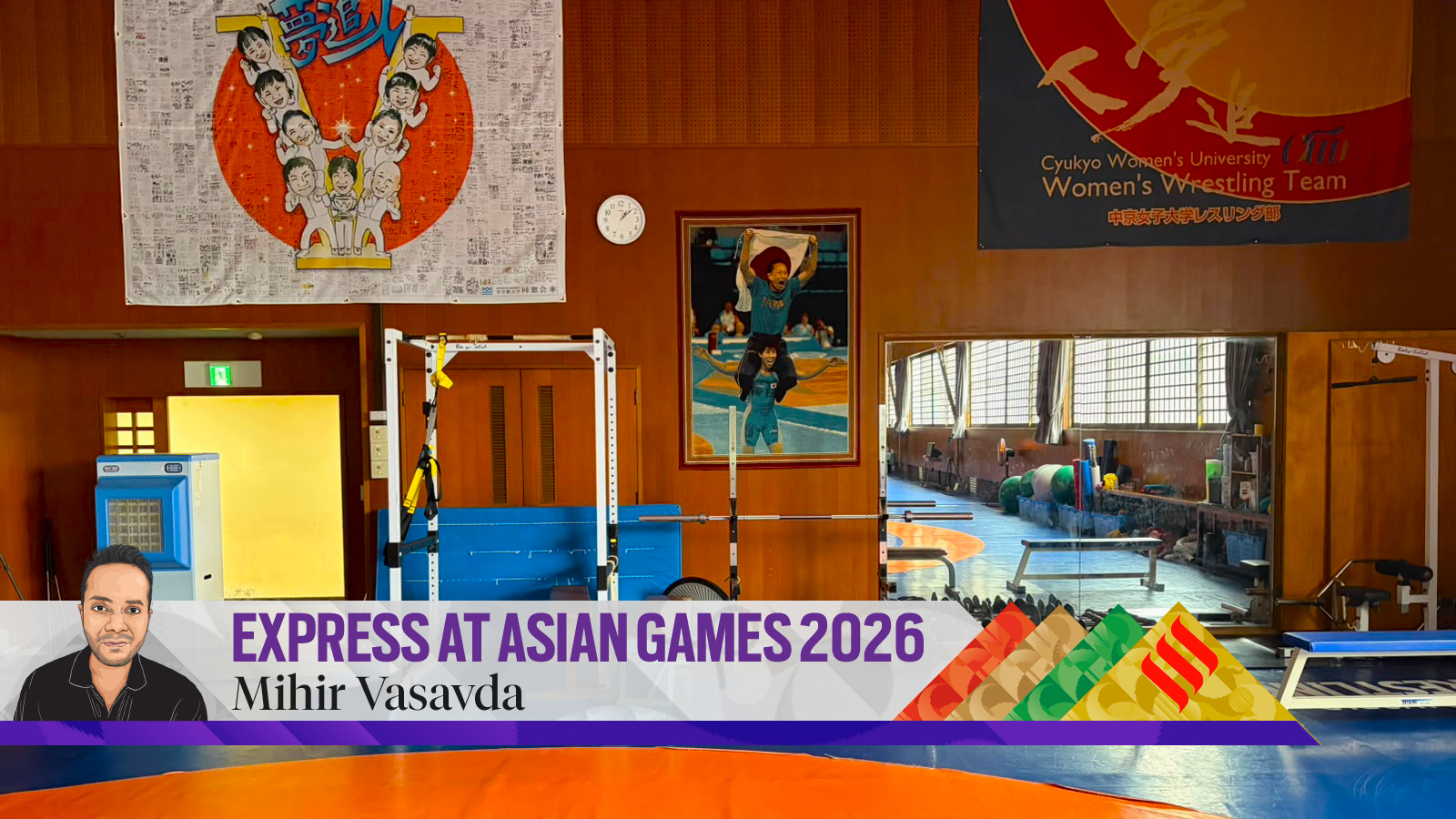
Deep beneath a nondescript building in Obu, a suburb of Nagoya, lies a corridor that houses one of Japan's finest wrestling halls of fame. It is home to photographs of numerous wrestling champions, including Saori Yoshida and Kaori Icho. At the end of this corridor is a modest wrestling hall that has produced 14 Olympic gold medals in women's wrestling, a feat unmatched by any other university programme in the world.
The story of this success began in 1940 when Chukyo Women's University, now known as Shigakkan University, was severely damaged during the bombing of Nagoya. In the aftermath, the university struggled to recover, lacking the resources for proper nutrition, rehabilitation, and scientific training for its athletes. Kuniko Tanioka, who became president of the university in 1988, inherited a wrestling programme that was struggling due to inadequate facilities and coaching methods.
Tanioka, a biology graduate from the University of Toronto, found the university's athletes in poor health, many of them injured and anaemic. She implemented a new approach to wrestling training, emphasizing the importance of science, application, and women's independence. Initially, wrestling was not a popular choice, but Tanioka believed it suited Japanese women due to its similarities to judo and the opportunity to build a coaching culture from scratch.
The university's wrestlers trained on makeshift mats in the open grounds, as the university did not have any designated wrestling spaces. Tanioka insisted on separate training for men and women, recognizing the biological differences between the genders. The wrestlers were encouraged to apply their classroom knowledge to their training, developing their schedules and understanding their bodies. This holistic approach proved successful, with some world champions emerging from the programme.
As women's wrestling gained Olympic status in 2004, Shigakkan's Gold Medal Project brought together various faculties to support the athletes. The success story of Saori Yoshida, who overcame her initial health issues through improved nutrition, exemplifies the university's impact on women's wrestling success. Tanioka's vision and determination transformed a damaged university into a powerhouse of wrestling excellence.
Written by urgent.news from The Indian Express's reporting — not their text. Machine-written — may contain errors; check the original before relying on it.