Injections, firing squads: How US carries out executions
The unprecedented botched execution of a woman in Tennessee has reignited the debate over execution methods in the United States - which varies from lethal injection to firing squads.
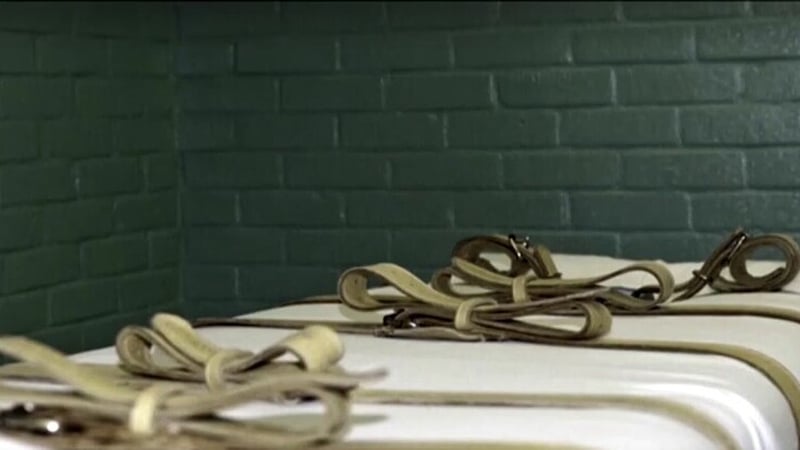
In the United States, the method employed for executions varies significantly from state to state, with lethal injection being the predominant technique in 28 states and at the federal level, having been the most frequent execution method since the death penalty was reinstated in 1976. In 2025, out of 47 executions carried out, 39 were performed via lethal injection, while the remaining five were conducted through nitrogen inhalation, a method first utilized in the southern state of Alabama in 2024 and criticized by UN experts as a form of torture.
Three executions in South Carolina utilized the firing squad, marking the first time this method was employed in the United States since 2010.
However, the procurement of necessary drugs has proven challenging for some states due to reluctance from pharmaceutical companies to be associated with capital punishment. This issue has led to the resumption of executions in South Carolina, Utah, and Indiana, which had suspended executions for more than a decade due to drug supply problems. Electrocution and gas inhalation are the next most common execution methods, each authorized in nine states, followed by the use of firing squads, which is permitted in five states.
The risk of catastrophic execution failures is not limited to any specific technique. In Alabama in 1983, John Evans experienced a leg fire after the first electric shock, and it took three attempts before his heart stopped. In Ohio in 2009, Romell Broom endured two hours of needle injections in an effort to administer lethal injection, only to die of Covid-19 in his cell in December 2020.
Even firing squads, perceived as a more decisive method, have faced difficulties. During Mikal Mahdi's execution in South Carolina in 2025, the shooters missed the heart, resulting in a prolonged death. Nitrogen inhalation, plagued by severe issues in Alabama, is currently on hold.
Experts like Laura Porter, director of a coalition of US organizations campaigning to abolish the death penalty, argue that there is no perfect execution method. She highlights the stress and harm caused to corrections officers participating in executions and calls for greater transparency in the execution process to address recurring issues with protocols, drug supply, and execution team competence.
Written by urgent.news from RTE News's reporting — not their text. Machine-written — may contain errors; check the original before relying on it.