India’s Second-Half Growth Could Moderate To 5.5–6%, Report Points To Slower Fiscal Spending Following Strong First-Half Push
New Delhi: India’s economic growth could ease to 5.5–6 per cent in the second half of FY27 as government capital spending slows after a strong start to the year, according to a CLSA report. The forecast compares with expected growth of 7–7.5 per cent in the first half. Weak rural conditions, a higher comparison base and economic uncertainty could also weigh on the pace of expansion. India GDP…
India's economic growth may slow to between 5.5 and 6 percent in the second half of the fiscal year 2027, according to a CLSA report. This reflects a contrast to the anticipated growth of 7 to 7.5 percent in the first half of the year. Weak rural conditions, a higher comparison base, and economic uncertainty are cited as possible factors that could dampen the pace of expansion.
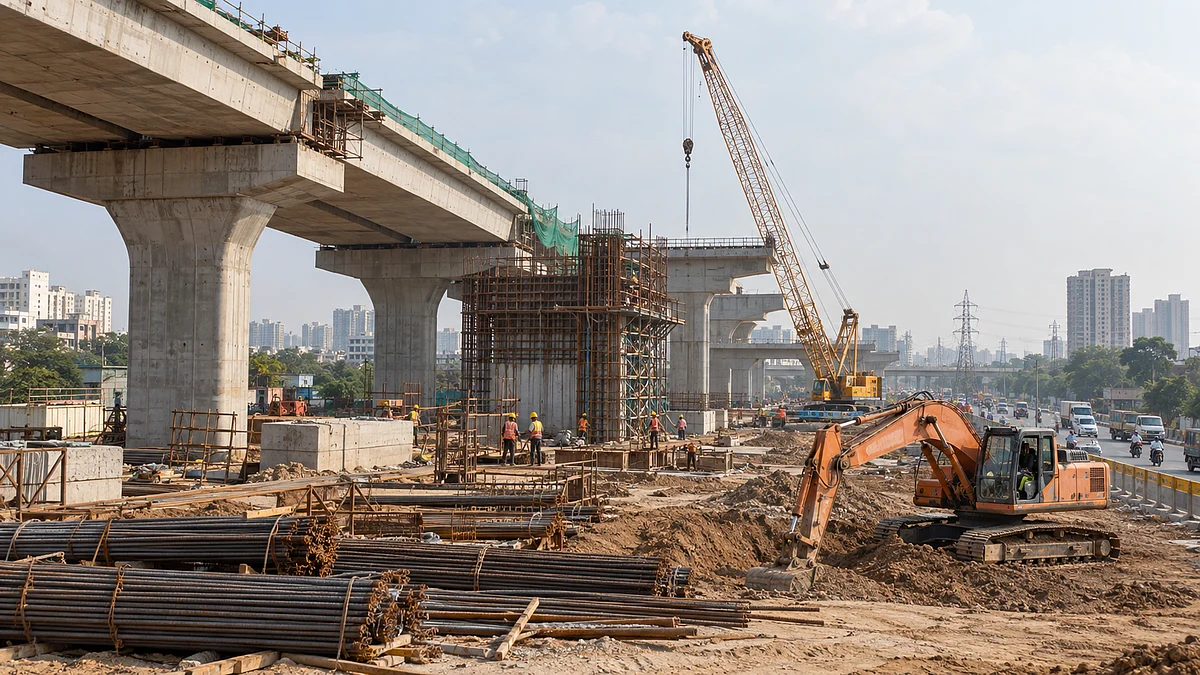
The government's capital spending is expected to ease during the second half of FY27, following a robust start to the year. The combined capital expenditure by the Centre and states increased by 13.2 percent during April–August 2026, compared to 20 percent growth in the same period last year. CLSA anticipates this growth to moderate to around 4 percent during September 2026–March 2027, which would be lower than the 5 percent increase recorded in the corresponding period a year earlier.
Government spending was more pronounced in the early months of FY27, leaving a slower spending pace for the remaining months. While defence spending is expected to rise, expenditure on roads and railways may remain flat or decline, according to CLSA. The Centre's capital expenditure growth is projected to fall below 5 percent between September and March.
Central capital spending, excluding loans and advances, rose by 15.2 percent in the first five months of FY27, indicating that investment spending remained relatively strong despite pressure on government finances. However, fiscal deficit reached 41.9 percent of its annual Budget estimate during April–August 2026, the highest proportion for this period in six years. A sharp drop in August receipts exacerbated the deterioration.
Total government spending increased by 10.5 percent, compared to 13.8 percent a year earlier. State spending growth also slowed, rising by 10.4 percent during April–August, down from 15.4 percent last year. CLSA suggests that weaker receipts and uncertainty could constrain spending, with meeting the Centre's annual expenditure targets representing the best-case scenario. Rural conditions remain another key factor in shaping India's economic growth.
Written by urgent.news from Free Press Journal's reporting — not their text. Machine-written — may contain errors; check the original before relying on it.