If family planning is our choice, why isn’t it in our budget?
More than 90 percent of Ghana’s tracked family-planning expenditure in 2024 was financed by development partners, according to information presented during a recent SEND Ghana civil society training on family-planning budget tracking. The Government of Ghana accounted for approximately 9.48 percent.
More than 90 percent of Ghana's family-planning spending in 2024 was funded by outside organizations, with the Government of Ghana contributing around 9.48 percent, according to a recent training for civil society groups. While these numbers may seem like economic data, they highlight a critical question: what happens when the entities paying for most family-planning interventions can no longer afford to do so?
Consider a young woman visiting a health center, having carefully weighed her options regarding future children. She has considered expenses like food, rent, school fees, and her existing children's needs. Despite making a responsible decision, the essential commodity she requires may no longer be available. In another scenario, a teenage girl is in a classroom, hearing warnings about pregnancy but never receiving age-appropriate education about her body, abstinence, contraception, consent, or how to respond to pressure for sexual activity.
A boy near her may be even less informed, as reproductive-health conversations often assume that only girls need this knowledge. Imagine the nurse, who is knowledgeable and willing to assist but cannot do so due to a lack of supplies. Picture the teacher, aware of students' questions but lacking adequate training and appropriate materials to respond.
Envision the parent who desires to guide their child but grew up in a home where discussions about sex were absent. These situations are not isolated failures; they are interconnected elements of a system that ultimately relies on Ghana's choices regarding budget allocation.
This perspective suggests that family planning should be viewed through a broader lens than merely a health issue or one that primarily concerns women. The ramifications of family-planning decisions extend beyond health facilities into homes, schools, workplaces, and the economy. Family planning is not only about health; it is also an economic issue.
Within households, informed decisions about childbearing impact how limited household resources are distributed among food, housing, education, healthcare, and savings. At the national level, these choices intersect with maternal health expenditure, school retention, women's participation in the workforce, and human capital development.
Ghana's own family-planning agenda increasingly recognizes that reproductive health affects not only individual well-being but also the country's broader social and economic development.
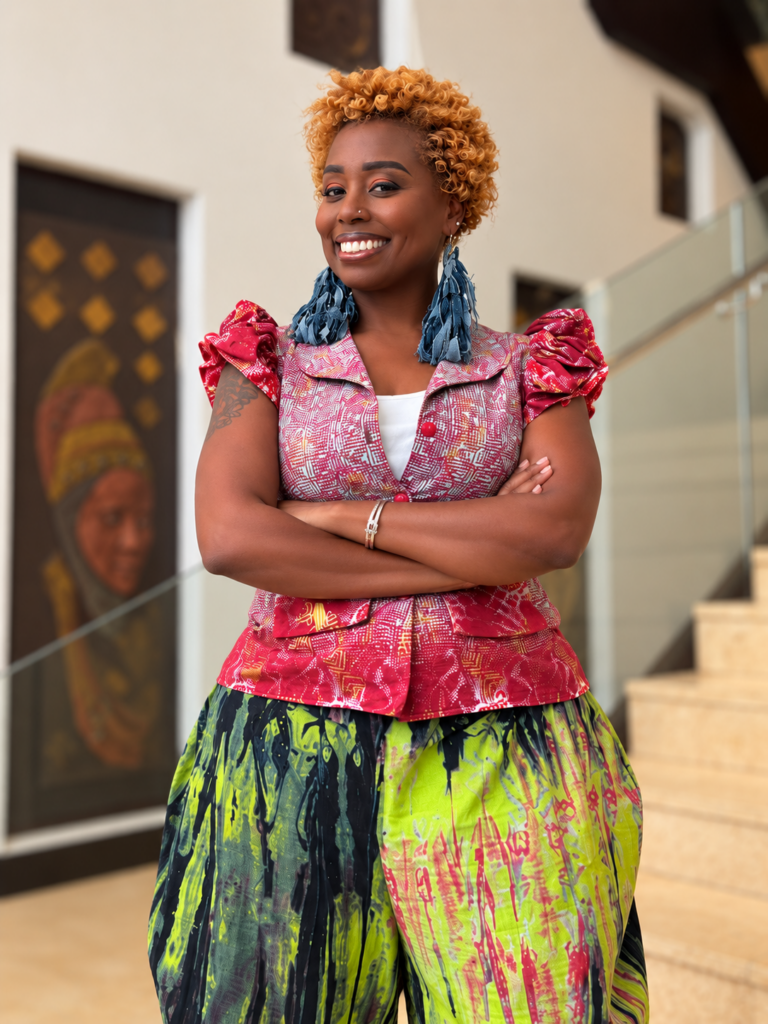
During Finance Minister Dr. Cassiel Ato Forson's recent invitation to stakeholders to discuss Ghana's economic direction and the 2027 Budget, the importance of financing family planning from domestic resources was emphasized. As the Founder of Eclectic Love, a woman, mentor, leader, and a mother of nations, the author responded by urging the intentional financing and visible budgetary allocation for family planning.
The timing of this conversation is crucial, as Ghana Health Service is currently observing National Family Planning Week 2026, with the theme "A Choice for All: Agency, Intention, and Access," and the motto "It's Your Life. It's Your Future." These words emphasize dignity and decision-making but should also prompt a critical examination of whether our financing structures enable these aspirations.
Agency requires more than merely informing individuals of their choices; they need accurate information, a functional health system, trained providers, and access to the necessary commodities to act on their choices. Intention is meaningful only when decisions can be translated into action. Access cannot be guaranteed by a slogan if the required services and commodities remain heavily dependent on external financing.
This contradiction must be addressed, as telling young people that their futures belong to them while some tools for informed decision-making are not adequately secured through domestic financing is problematic. Encouraging family planning while relying heavily on external funding undermines national ownership and reduces donor dependence.
While Ghana has recently shown increased commitment by committing $1.4 million towards contraceptive supplies in May 2026, surpassing its previous commitment by over 300 percent, this should be the beginning of a transition towards predictable domestic financing, not an isolated achievement.
Written by urgent.news from MyJoyOnline Ghana's reporting — not their text. Machine-written — may contain errors; check the original before relying on it.