How maritime search and rescue works in South Africa
When people get into trouble at sea, South Africa’s response involves the Maritime Rescue Coordination Centre, rescue sub-centres, the NSRI and other authorities. Here is how the country’s maritime search-and-rescue system works.
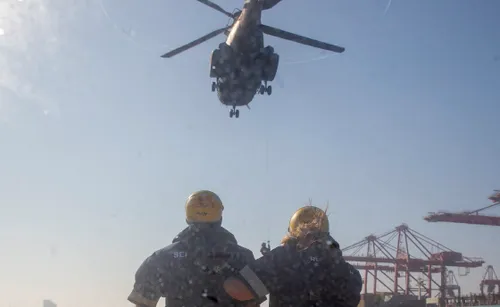
As summer approaches and South Africans flock to the coast, the number of missing persons incidents rises. When individuals encounter trouble at sea, their response involves more than a rescue vessel heading to their last known location. South Africa operates a dedicated maritime search-and-rescue system to coordinate the response to those in distress. This system unites government agencies, rescue organizations, port authorities, and other maritime stakeholders.
The recent incident off Mossel Bay, where five people went overboard, with three confirmed dead and two still missing, has brought the system's workings under scrutiny. But how does a maritime search-and-rescue operation function in South Africa?
The maritime component is part of the South African Search and Rescue (SASAR) system. The Department of Transport's SASAR information explains that the maritime search-and-rescue structure comprises various role-players due to the vast and complex maritime area. SAMSA is responsible for the operational function of maritime search-and-rescue, with the Head of Maritime SAR Operations ensuring efficient operations in South Africa's search-and-rescue region.
The SASAR system's duties include searching for and aiding vessel crew and passengers in distress, rescuing survivors of maritime incidents, and coordinating evacuations for seriously injured or ill people from ships at sea when necessary.
The maritime component involves multiple role-players. The Maritime Rescue Coordination Centre (MRCC) coordinates operations, while permanent and secondary rescue sub-centres conduct operations within their capabilities. SAMSA reports that the MRCC operates 24/7, focusing on the safety of life at sea. Its responsibilities include coordinating maritime search-and-rescue operations and exercises, monitoring maritime safety information, and managing communications related to maritime emergencies. The MRCC collaborates with government and non-government organizations involved in maritime rescue.
When a major incident occurs offshore, the response is coordinated rather than handled by a single organization. The National Sea Rescue Institute (NSRI), a volunteer-based rescue organization, plays a significant role in South Africa's maritime rescue network. The NSRI operates around the clock with rescue bases along the coastline and surf, inshore, and offshore rescue craft to respond to emergencies.
The NSRI also runs an Emergency Operations Centre, which serves as a central point for incoming emergency calls and coordinates with the NSRI's stations and wider emergency networks.
Not all maritime emergencies are managed similarly. South Africa has rescue sub-centres positioned along the coastline, identified by the Department of Transport. Permanent rescue sub-centres include offices in Cape Town, Walvis Bay, Saldanha, Port Elizabeth, East London, Durban, and Richards Bay. These centers can handle operations within their scope and capabilities.
If an operation becomes too large or complex, the MRCC takes over coordination. The system also includes secondary rescue sub-centres, such as NSRI bases and harbor masters operating within their respective areas. This structure enables emergencies to be managed close to the incident while providing a mechanism for escalating more complicated operations.
A maritime emergency can cover a large area, and conditions can change rapidly. The search may require various rescue craft, communication systems, and personnel depending on the incident's location and scale. The MRCC's role is not merely to deploy a rescue boat. Instead, it coordinates the search-and-rescue response, bringing together the appropriate resources and organizations.
SAMSA's 2024/25 annual report reveals the scale of this work, with its MRCC-led search-and-rescue coordination teams conducting 52 maritime rescue operations and 38 emergency medical evacuations during the year. The MRCC, operating from Cape Town, also serves a regional role, covering Angola, Namibia, Mozambique, Madagascar, and the Comoros, demonstrating the international nature of maritime search and rescue.
Written by urgent.news from IOL's reporting — not their text. Machine-written — may contain errors; check the original before relying on it.