How China Managed the Oil Shock
Beijing concentrated the impact on refiners, not the public.
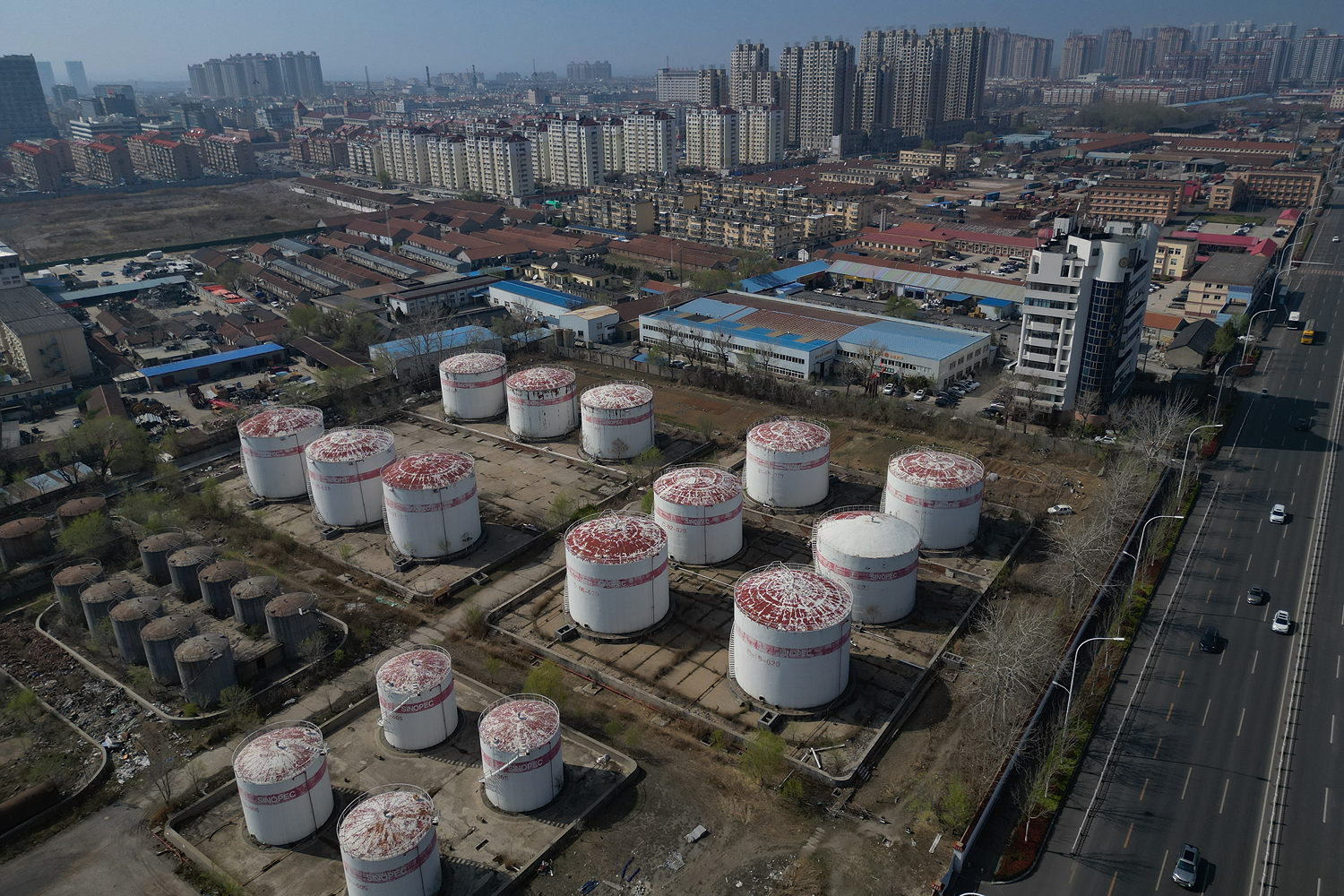
China, the world's largest crude oil importer, has experienced a significant reduction in crude imports due to the "largest supply disruption in the history of the global oil market" since February. The International Energy Agency described this event as a major disruption to the global oil market. Despite this, China has not rushed to purchase every replacement barrel of oil, cutting imports to the lowest level in nearly a decade by June.
China's cautious approach to restoring crude imports in July has remained weak through August and September, falling far below pre-crisis levels. This ability to withstand the Strait of Hormuz stress test for so long is a testament to China's decade-long efforts to build buffers and reduce its dependence on oil for fuel.
The scale of China's reduction in crude imports is significant, but the government did not directly order the cut. Instead, the government prioritized domestic supply and compressed rising costs within its refining system. This strategy shifted demand growth away from fuel to petrochemical feedstocks, transforming China's vulnerability to high dependence on oil imports from a fuel shortage problem to an industrial adjustment problem.
China has a long-standing administered pricing system for petroleum products, which limits how much and how quickly rising costs can be passed on to consumers. The government's approach has resulted in refiners maintaining refining production, forgoing profitable export markets, and selling products domestically despite weak demand and capped price increases. These measures have allowed China to build up crude inventories, providing a buffer to absorb the shock without causing a sharp contraction in the domestic economy.
Written by urgent.news from Foreign Policy's reporting — not their text. Machine-written — may contain errors; check the original before relying on it.