Hong Kong Stocks Slump Most Since March, Leading Losses in Asia
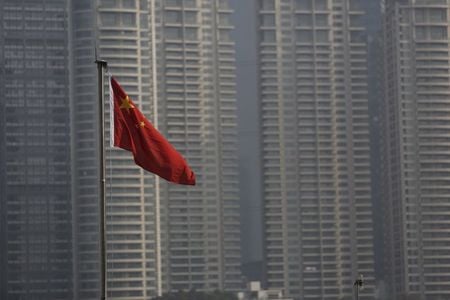
Hong Kong’s stock benchmark led losses in Asia as trading resumed after a holiday, pressured by a surge in US yields and disappointment over China’s latest stimulus measures.
Asian markets experienced mixed performance on Friday as investors became more cautious ahead of crucial U.S. jobs data that would influence expectations surrounding the Federal Reserve's interest rate decisions. Wall Street had closed marginally higher on Thursday after a surge in Treasury yields softened later in the day, while U.S. stock futures showed a modest uptick in early Asian trading hours.
Japan’s Nikkei 225 index declined by 0.9%, and the TOPIX index decreased by 1.1%. Hong Kong's Hang Seng Index faced the steepest drop, sliding 3% to a 11-week low near 23,900 points, owing to a surge in global bond yields and worries about oil supply disruptions. Tech shares also faced headwinds in Hong Kong, with the Hang Seng TECH sub-index falling 2.5%.
South Korea's KOSPI index managed a slight gain of 0.3%, fluctuating between gains and losses. In Australia, the S&P/ASX 200 index rose by 0.5%, whereas Singapore's Straits Times Index dipped by 0.3%. Chinese markets remained closed for the National Day Golden Week holiday, resuming trading on October 8. India also had its markets on a break on Friday, honoring Mahatma Gandhi Jayanti.
Data revealed that Tokyo's core consumer price index increased by 2.7% year-on-year in September, outpacing earlier forecasts of 2.4%, and outpacing the 2.7% market expectation. This news came after a summary of the Bank of Japan's September meeting revealed some officials advocating for faster interest rate hikes due to mounting inflation risks.
The BOJ has already raised its policy rate to 1.25%, and investors are eyeing an additional hike during October or December meetings. The attention now shifts to the U.S. nonfarm payrolls announcement later on Friday. Economists forecast that the U.S. economy would have added 89,000 jobs in September, with unemployment remaining stable at 4.1%.
Market forecasts now suggest a 25% chance of a Federal Reserve rate increase in October, down from a previous 69% probability, while a December increase remains entirely priced in, according to CME FedWatch. The bond market continued to serve as a prominent source of volatility. The U.S. 10-year Treasury yield surged to 5.34% on Thursday, its highest level since 2002, before settling around 5.25% in Asian trading.
The upward movement in long-term yields has heightened borrowing costs worldwide and added pressure on equity valuations. Oil prices contributed to inflation concerns, with Brent crude staying above $102 a barrel as the U.S. reportedly intends to boost its military presence in the Middle East, while China imposed a halt on oil-product exports.
Written by urgent.news from Investing.com's reporting — not their text. Machine-written — may contain errors; check the original before relying on it.
This story
This is one outlet's version. Read the fullest account.