Gut bacteria and digestive metabolites are linked to psychopathic traits
Specific bacteria in the human gut and mouth, along with digestive byproducts, are associated with psychopathic personality traits. The findings suggest the microbiome might influence how humans process emotions and regulate impulsive behavior.
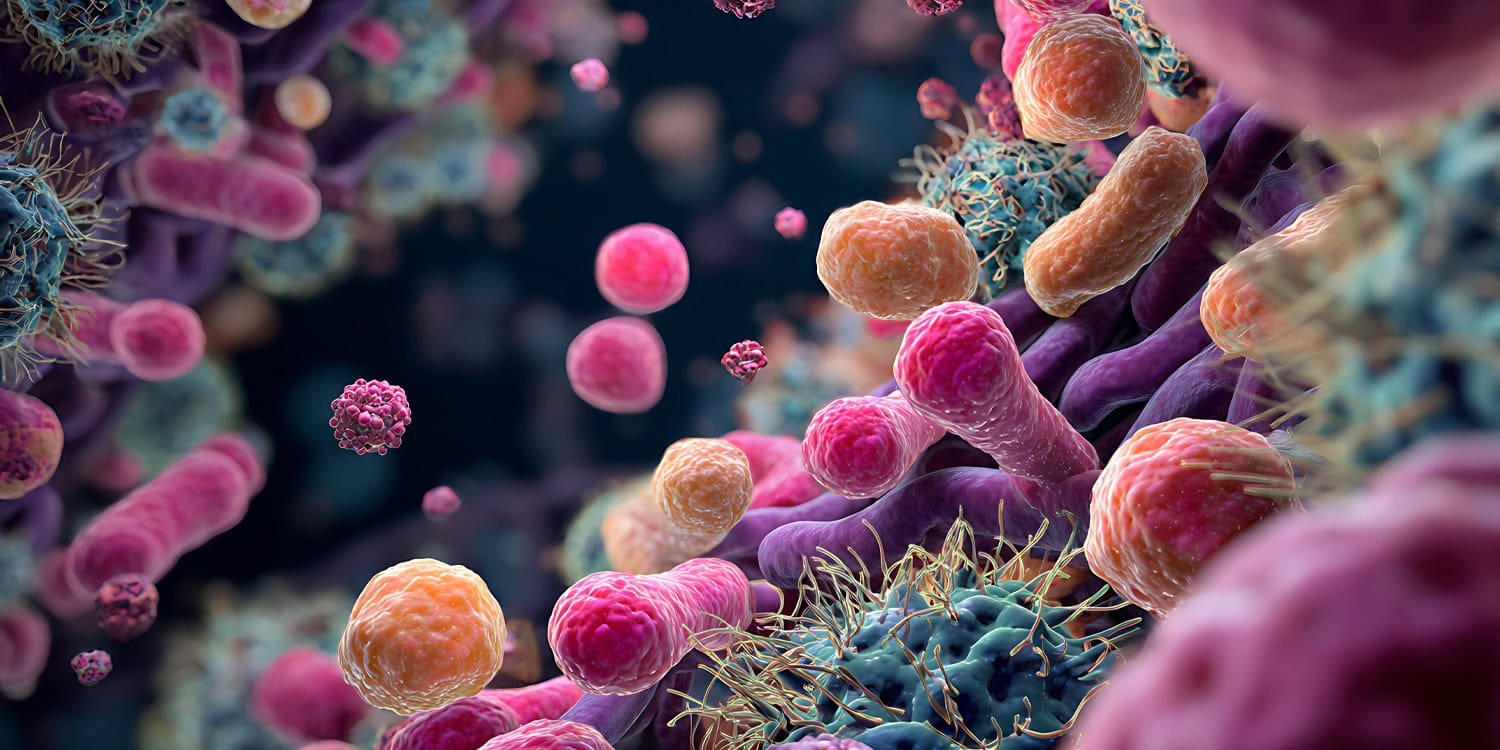
A study published in Translational Psychiatry explores the connection between gut bacteria, their metabolic byproducts, and psychopathic traits. The human body harbors trillions of microorganisms, collectively known as the microbiome, which extend beyond digestion and infection defense. These microbes communicate with the central nervous system via chemical signals, hormones, and immune responses, forming the gut-brain axis.
While gut microbiota have been linked to mood disorders, the association with personality traits like psychopathy is a newer area of research. Psychopathy, characterized by emotional detachment, lack of empathy, manipulative behavior, and impulsivity, affects about one percent of the population. Researchers from the University of Porto and the University of Oxford sought to determine if gut and mouth bacteria could be linked to subclinical psychopathic traits in the general public.
They recruited 200 Portuguese adults, excluding those who had recently taken antibiotics, which can alter intestinal bacteria. Participants completed self-report questionnaires measuring psychopathy, empathy, and anxiety, along with providing stool, saliva, and blood samples. The microbiomes of the gut and oral regions were analyzed using DNA sequencing, and metabolites were identified in the samples.
While the overall diversity of the microbiome did not differ among groups based on psychological scores, specific bacterial families were associated with personality traits. In the gut, bacteria from the groups Allisonella and Prevotella, as well as the species Cloacibacillus evryensis, were linked to higher psychopathy scores. These bacteria have biological roles that could influence the brain.
Allisonella produces histamine, which triggers immune responses and inflammation, potentially impacting mood and behavior. Cloacibacillus evryensis has the potential to produce gamma-aminobutyric acid, an inhibitory signal in the central nervous system that regulates impulsivity. Prevotella has been associated with differences in brain processing of emotional and sensory stimuli.
In the mouth, Treponema vincentii, a bacterial species, had a negative association with higher psychopathy scores. Elevated glucose and taurine levels in stool samples were also linked to traits like antisociality and interpersonal manipulation. Glucose serves as the body's primary energy source, and its elevated levels in the feces may indicate a disruption in energy extraction and absorption.
Taurine, an amino acid involved in brain development and anxiety regulation, was found in excess, suggesting potential issues with gut bacteria and nutrient absorption.
Written by urgent.news from PsyPost's reporting — not their text. Machine-written — may contain errors; check the original before relying on it.