Google sends its 'chips' to space in a refrigerator-sized satellite
Google has launched its AI chips into space for the first time under Project Suncatcher. A refrigerator-sized Planet Labs satellite carrying four Tensor Processing Units (TPUs) flew aboard SpaceX's Falcon 9 to test whether AI data centres can run in orbit on solar power. The chips will run Google's Gemma AI model in 15-minute bursts, but the company says space-based data centres are at least five…
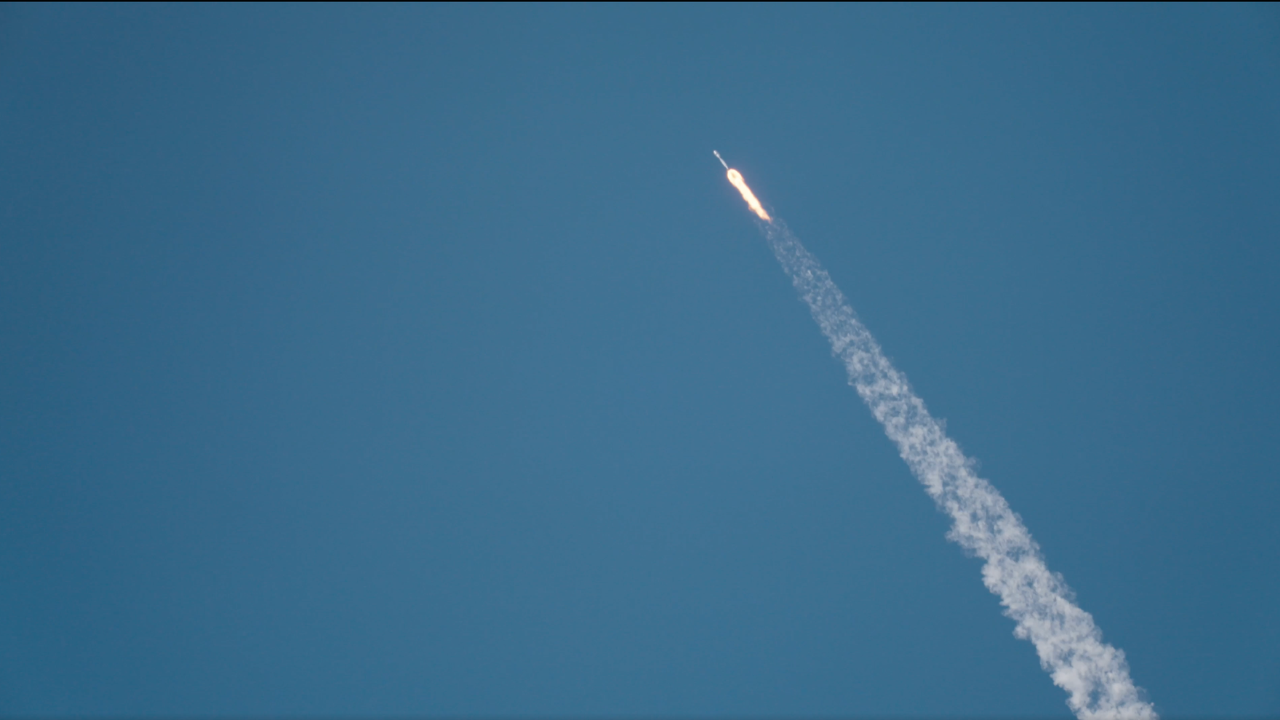
Google has successfully launched its AI chips into space aboard a refrigerator-sized satellite built in partnership with Planet Labs. The satellite, part of Project Suncatcher, was carried by a SpaceX Falcon 9 rocket during the Transporter-18 rideshare mission. The TPUs, or Tensor Processing Units, will run Google's open-weight Gemma model in 15-minute bursts, limited by heat and power constraints.
The mission aims to operate for a year, capitalizing on the more abundant solar energy available in low Earth orbit compared to Earth. Google envisions a future where clusters of satellites, each carrying dozens of TPUs, communicate through lasers, potentially replacing Earth-based data centers. However, radiation, heat, and cooling challenges pose significant hurdles for the TPUs' long-term survival in space.
Google expects the launch price of TPUs in orbit to drop to around $200 per kilogram by 2035, but believes it will take longer than five years for orbiting data centers to become financially viable.
Written by urgent.news from Times of India's reporting — not their text. Machine-written — may contain errors; check the original before relying on it.