Google Launches Its First Satellite to Begin Taking AI Data Centers into Space
Google put an experimental satellite into orbit this Thursday, October 1, with enough computing power to respond to simple artificial intelligence (AI) queries from space. This first step is part of the Suncatcher project, which seeks to place AI data centers in space and take advantage of solar energy to power them, as these centers […]
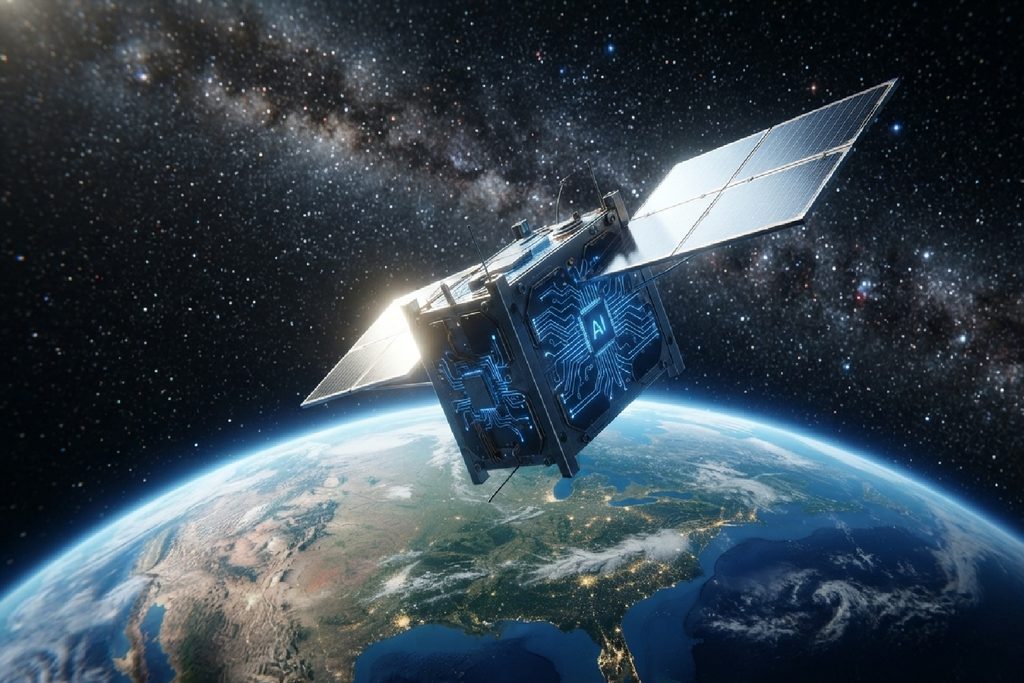
Google launched its initial satellite on October 1, 2023, as part of the Suncatcher project. This endeavor aims to establish AI data centers in space, harnessing solar energy for power, as they become less popular on Earth. The satellite, equipped with tensor processing units (TPUs), is set to be tested aboard a SpaceX Transporter-18 mission to assess performance in low Earth orbit.
Project Suncatcher explores the potential for scalable machine learning infrastructure in space, taking advantage of nearly constant solar energy. Once in orbit, the company hopes multiple satellite constellations could manage larger AI workloads. Despite challenges like space radiation and high costs, Google believes the benefits of AI could reach various sectors, including healthcare and scientific discovery, once this technology matures.
However, critics argue that the project could exacerbate environmental issues and resource depletion on Earth, as the manufacturing of such equipment requires significant rare earths and critical minerals.
Written by urgent.news from Colombia One's reporting — not their text. Machine-written — may contain errors; check the original before relying on it.