Glimpses of hope from the UN General Assembly
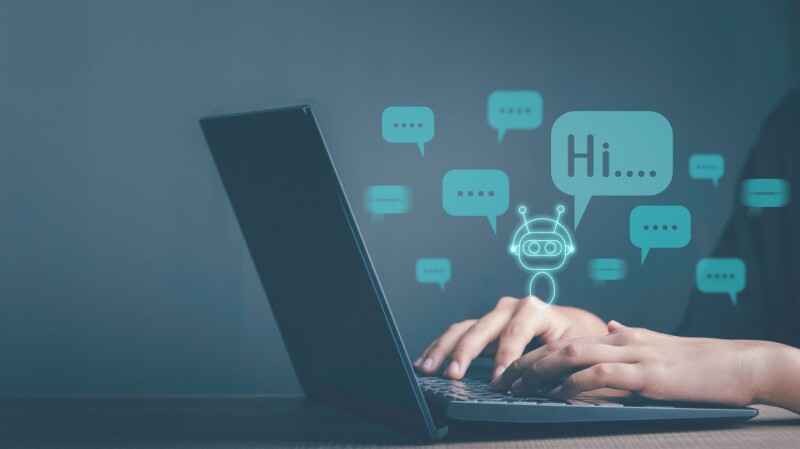
While users should make informed decisions on when and how to use generative AI, its environmental cost vis-à-vis climate change should be an integral part of the ongoing debate on the rapidly advancing technology's regulation and sovereignty.
This week’s United Nations General Assembly (UNGA) brought attention to three existential threats to humanity: climate change, unchecked artificial intelligence (AI), and spiraling income inequality. While these threats are complex and intersecting, their severity and interconnectedness cannot be understated. However, there is growing optimism that these challenges are not insurmountable.
The rapid shift in public opinion on social media has moved from catastrophic predictions to exploring creative solutions. At the same time as UNGA, New York City’s Climate Week highlighted the dual focus on climate change and AI, but with less polarizing messaging. The environmental impact of AI is significant, particularly because data centers required for AI workloads consume large amounts of energy and water, leading to a projected 10% increase in global power sector emissions by 2030.
Despite this, AI is being touted as a potential solution to climate change, with applications in renewable energy load management, pollution tracking, and climate impact modeling. However, there is concern that these claims could be part of a greenwashing strategy by Big Tech companies. The environmental impact of AI is largely associated with generative AI tools, which are more resource-intensive compared to traditional machine learning.
Therefore, consumers should be more informed about when they truly need the added computational power, such as avoiding unnecessary use of AI for image and video creation. Ultimately, the onus should be on AI regulation to prioritize the climate aspect, ensuring empirical evidence, nuance, transparency, and accountability in the ongoing debate.
Written by urgent.news from The Jakarta Post's reporting — not their text. Machine-written — may contain errors; check the original before relying on it.