German Television: Between Imbecility and Quality
In the 20th century, television in the Federal Republic used to be quite embarrassing, for the most part. Since then, it has only partially improved.
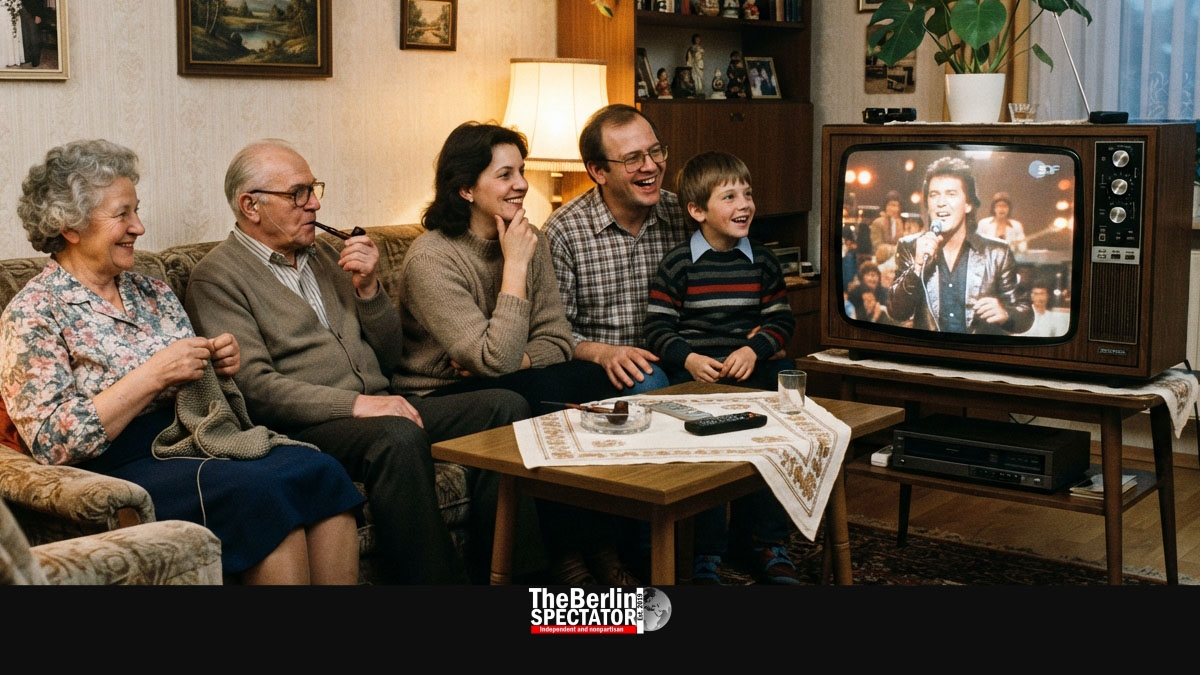
The first-ever television broadcast in Germany took place 95 years ago, at the "8th Great German Radio Fair" in Berlin, thanks to the genius invention of Manfred von Ardenne. In 1933, the Nazis launched their own TV channel shortly after learning of the BBC's plans, but only 250 devices existed, limiting viewership. Post-war, during the Wirtschaftswunder years, television became widely popular as people had more disposable income and access to devices.
Initially, there was just one TV channel, followed by a second one in 1963 and regional channels for West Germany, starting in 1964. The most prominent news program, "Tagesschau," became a staple of German television, often dictating program timings for other channels. "Tagesschau" has been a reliable source of news for decades, with its 8 p.m. edition becoming a cultural touchstone.
In the 1970s, Germans became addicted to television, with crime series like "Der Kommissar" and family shows like "Der Grosse Preis" capturing the nation's attention. However, women were often portrayed in stereotypical roles, reflecting the societal attitudes of the time. In 1973, the arrival of the children's program "Sesamstrasse" from the United States was met with outrage by ultra-conservatives, who banned it from Bavarian TV. Despite the controversy, "Sesame Street" remained a beloved and educational show worldwide.
Written by urgent.news from The Berlin Spectator's reporting — not their text. Machine-written — may contain errors; check the original before relying on it.