Gandhi’s first fight was for the vote
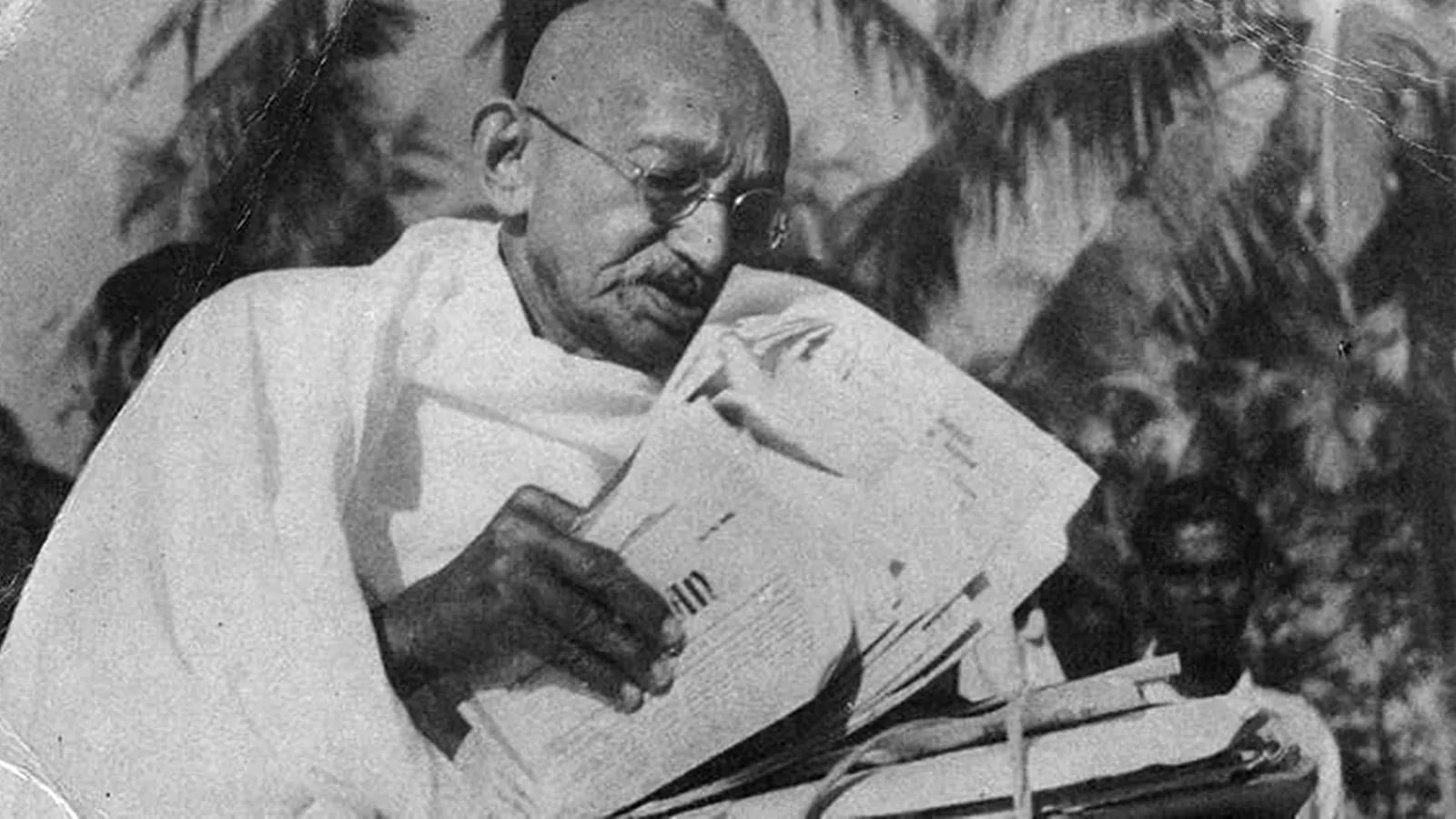
In July 1894, colonial authorities in South Africa decided to strip Indians of their voting rights. Mohandas Gandhi, a young lawyer, vehemently opposed this decision and petitioned Lord Ripon, the Secretary of State for the Colonies. He argued that Indians without the right to vote would lose their self-respect and risk losing their identity in the colony.
A year later, Gandhi warned that disenfranchisement would have "dreadful" consequences. His early experiences in South Africa shaped his vision for India's democratic future. Throughout the 1920s, Gandhi insisted that universal adult franchise should be the foundation of India's political system. At the 1931 Round Table Conference, he demanded this principle without exception, emphasizing that it should apply to men, women, rich, poor, literate and illiterate, regardless of faith or caste.
Gandhi's experience in South Africa revealed how electoral lists could be manipulated, as he once found his name incorrectly listed on a Durban voters' roll. Despite money, muscle power, and modern challenges, the 1950 adoption of universal adult franchise in India marked a significant victory. However, recent events in South Africa's electoral rolls raise concerns about the mass disenfranchisement that Gandhi fought against.
On Gandhi Jayanti, the writer urges those involved in administrative machinery to uphold Gandhi's teachings and protect the sanctity of the vote.
Written by urgent.news from The Indian Express's reporting — not their text. Machine-written — may contain errors; check the original before relying on it.