Gandhi taught us: Dissent and disagreement are essential to the health of democracy
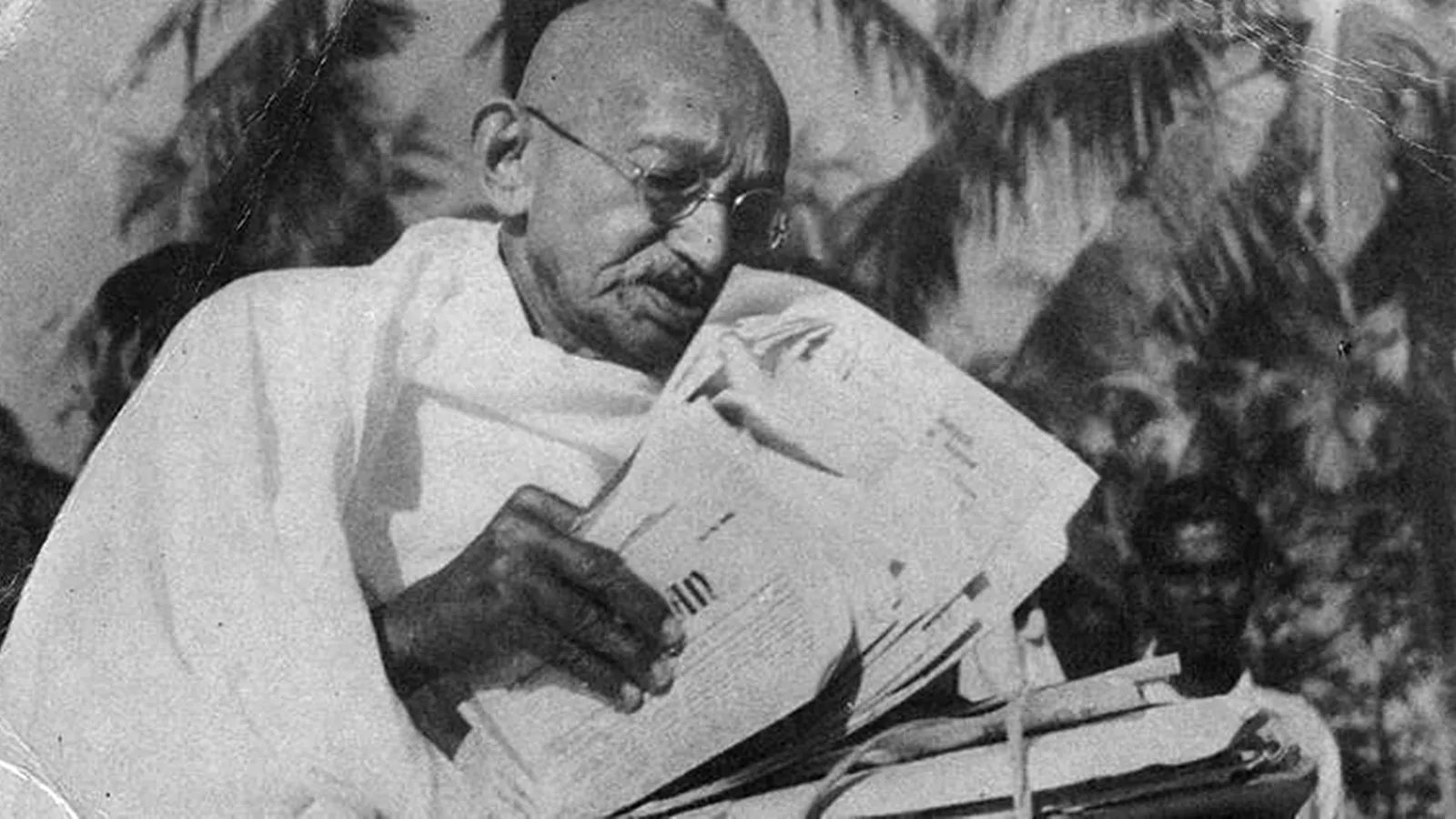
Gandhi taught us the importance of dissent and disagreement in fostering a healthy democracy. As vice chancellor of the University of Delhi, he introduced a charkha-spinning certificate program, inviting students to experience the spinning wheel as a symbol of self-reliance, discipline, and individual growth. This simple act became a method of mindfulness, with students reporting improved concentration and stress relief.
The charkha represented more than just a tool for economic self-reliance; it embodied the belief that meaningful change begins with the individual. Nearly a century later, in an era of constant notifications and shrinking attention spans, the act of spinning thread serves as a reminder of the importance of being present.
As India's young citizens voice their concerns about examinations, institutional accountability, and governance, they are engaging in a democratic process rooted in the desire to be heard. Gandhi would have asked not who is right and who is wrong, but what is the moral character of our disagreement. In today's climate of immediate social media outrage and political contests, Gandhi emphasizes that the strength of an argument lies in its integrity, not its volume.
Education, for Gandhi, was not merely about transmitting knowledge and awarding degrees. It was about cultivating character alongside intellect to nurture the best within each learner. Universities, therefore, must balance the pursuit of knowledge with the development of moral character, fostering an environment where dialogue and open discussion can thrive.
Recent student-led mobilizations highlight the generation's deep investment in the credibility of public institutions and the importance of merit and justice. Gandhi's philosophy underscores that authority derives legitimacy from ethical conduct, not force alone. Democratic institutions are strongest when they listen, as listening is a form of courage that strengthens their credibility and promotes accountability.
Ultimately, Gandhi's radical idea is that truth is a collective pursuit, requiring humility, dialogue, and a willingness to revise one's own position.
Written by urgent.news from The Indian Express's reporting — not their text. Machine-written — may contain errors; check the original before relying on it.