Fuel imports: USD1bn can be saved by adding 30,000 REEVs annually, experts say
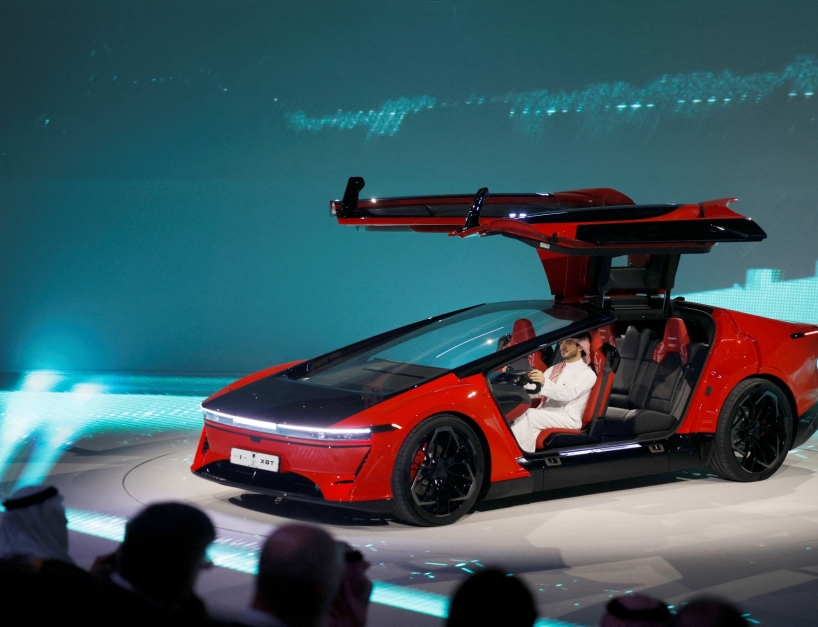
ISLAMABAD: Auto Industry experts said that Pakistan could save over USD 1 billion in fuel imports over five years by adding 30,000 range-extended electric vehicles (REEVs) annually, highlighting the potential of electric mobility to reduce household transport costs and the country’s dependence on imported petroleum. The projected adoption would build a fleet of 150,000 vehicles by the fifth year.…
Experts from the auto industry suggest that Pakistan could save more than USD 1 billion in fuel imports over a five-year period by introducing 30,000 range-extended electric vehicles (REEVs) each year. This would result in a fleet of 150,000 vehicles by the fifth year. This transition would not only reduce household transport expenses but also lessen the nation's reliance on imported petroleum.
The cumulative impact could potentially displace around 1.2 billion litres of petrol and decrease operational carbon emissions by approximately 2.7 million tons, compared to traditional petrol-powered vehicles.
The reduction in fuel imports is significant as they account for 30 percent of Pakistan's total import bill. Therefore, shifting towards electric vehicles (EVs) is deemed a crucial macroeconomic measure. Mohammad Shaaf Najib, a research economist at the Pakistan Institute of Development Economics (PIDE), explained that enhancing EV adoption can shield the country's current account balance from the adverse effects of global oil price fluctuations.
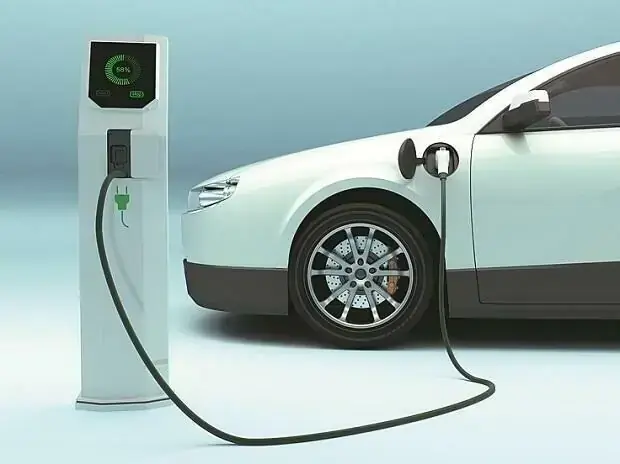
Range-extended electric vehicles (REEVs) function by employing electric motors to drive the wheels, while a fuel-powered engine serves as a generator to maintain the battery when necessary. This design allows drivers to perform daily commutes using electricity and also provides additional range for longer intercity travel. According to industry insiders, REEVs capable of covering approximately 150–180 kilometers on a single electric charge could cater to most consumers' day-to-day travel requirements. This can be achieved through home charging, including rooftop solar installations.
The potential for monthly fuel savings for REEV owners could reach up to Rs 65,000, depending on vehicle usage and charging costs. This could greatly benefit those managing school transport, commuting, and other routine journeys. Industry insiders also conjecture that increasing the annual addition of REEVs to 60,000 could roughly double the projected fuel-displacement benefits under similar assumptions.
This highlights the importance of a consistent and stable policy framework for promoting electric mobility in Pakistan, along with investments in charging infrastructure and localisation.
Industry experts suggest that a progressive increase in annual REEV additions could nearly double the projected fuel-displacement benefits, suggesting a strong case for reducing transportation demand on internationally sourced electricity. This shift could help lessen vulnerability to international oil-price volatility and pressure on foreign exchange reserves.
Industry stakeholders have also advocated for a predictable framework for new energy vehicles, emphasizing long-term policy stability, affordable financing, expanded charging facilities, and consumer-centric incentives. They argue that Pakistan's automotive transition should promote technological competition, affordable running costs, and robust after-sales service to enable consumers to access more efficient vehicles while simultaneously supporting the country's energy-security objectives.
Written by urgent.news from Business Recorder's reporting — not their text. Machine-written — may contain errors; check the original before relying on it.