Flydubai flight FZ1073 puts airline ‘deadheading’ in spotlight
For most passengers, the two pilots seated in the cabin of flydubai flight FZ1073 on Wednesday morning would have gone unnoticed. They were not operating the service between Dubai and Tel Aviv. Instead, they were travelling as passengers. They were being moved for their next assignment – a routine but essential part of the complex choreography that keeps an airline’s network moving. However, when…
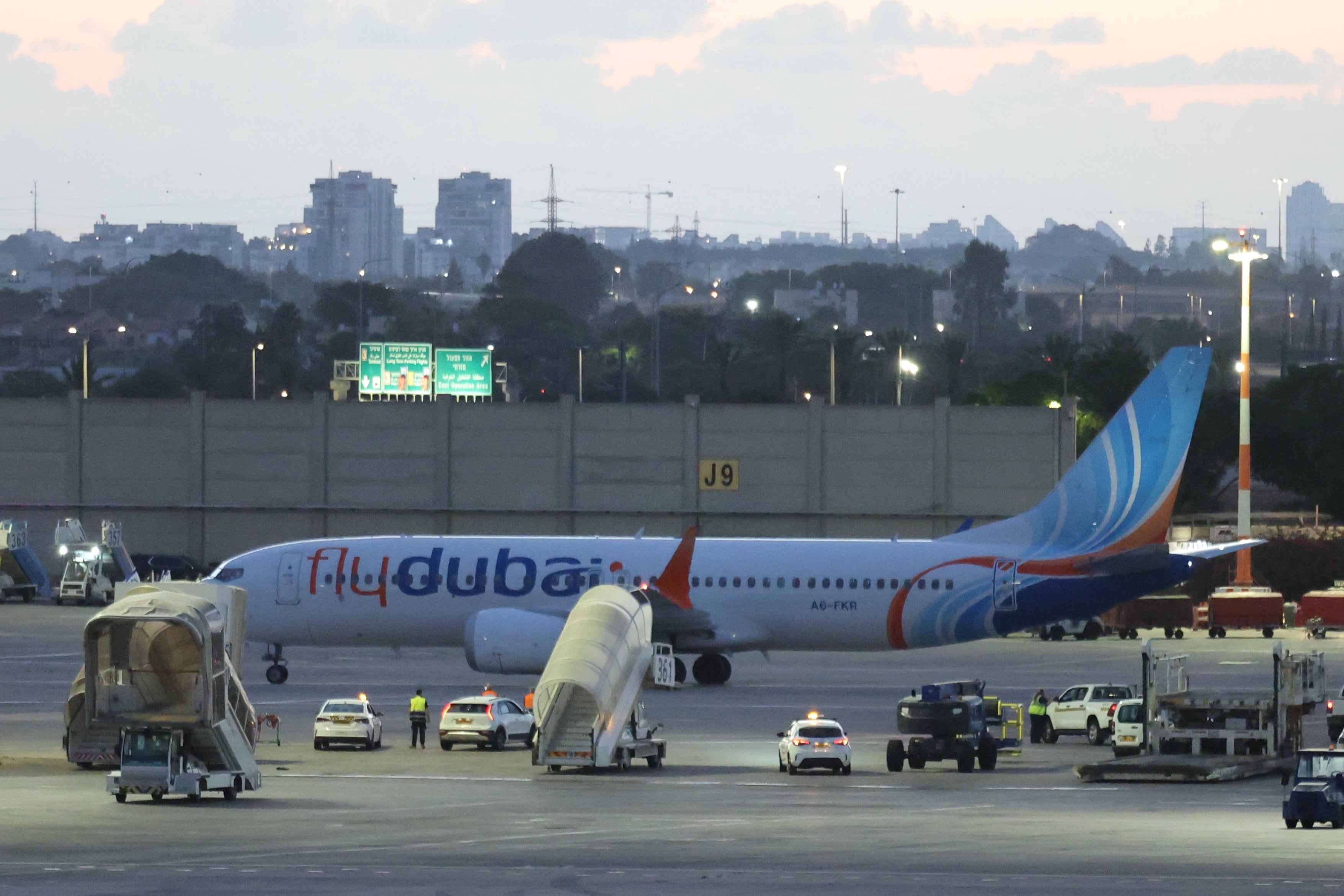
For the average traveler, the two pilots aboard flydubai flight FZ1073 on Wednesday morning might have gone unnoticed. They were not actively operating the service between Dubai and Tel Aviv; instead, they were assigned to serve as passengers to support their next flight assignment. This process, known as "deadheading," is a routine but essential aspect of airline operations. However, when an incident occurred in the cockpit at 34,000 feet, that routine journey took on a much more significant meaning.
The two off-duty flydubai pilots, along with other crew members, rushed to the flight deck and successfully guided the Boeing 737 Max 8 to a safe landing in Tabuk, Saudi Arabia, after the aircraft had been diverted from its scheduled route. The Boeing pilot and co-pilot had sustained injuries following an altercation on the flight deck, leading to the plane plummeting approximately 17,400 feet in a matter of seconds.
The cause of the incident remains unclear, with the UAE's General Civil Aviation Authority currently investigating the circumstances surrounding the event.
Deadheading is a common practice in the aviation industry, where airlines transport pilots and cabin crew across their networks as passengers, usually to position them for subsequent flights. This arrangement is typically determined by scheduling, logistics, and cost considerations. For example, a pilot in Dubai who needs to fly from London the following day may be placed on a Dubai-London flight as a passenger, thus completing a deadhead journey.
The Federal Aviation Administration clarifies that deadhead transportation is not considered an assignment involving flight time or duty period, and it does not contribute to an individual's rest requirements.
In the global aviation framework established by the International Civil Aviation Organization, a deadheading pilot, also known as "positioning" crew, is an off-duty crew member who travels as a passenger at the behest of their airline. While deadheading is generally a standard practice, an increase in such instances can signal that an airline is repositioning crews more extensively due to schedule disruptions or an uneven network.
This becomes particularly relevant now, as airlines operating in the Middle East have had to adjust their flight paths repeatedly since the onset of the Iran war on February 28.
Deadheading allows airlines to manage flight disruptions such as cancellations, delays, or schedule changes, and enables them to reposition pilots swiftly. However, this process comes with additional costs, as airlines must cover expenses such as passenger seats, accommodation, and other related costs. Given the existing shortage of pilots in the industry, airlines must carefully select which routes require more than two pilots and manage resources effectively to ensure that pilots do not exceed their allocated flying hours before a new crew is required.
While most pilots and cabin crew traveling as passengers remain just that, the routine positioning of crew members on flight FZ1073 took on a different significance following the on-board incident.
Written by urgent.news from The National UAE's reporting — not their text. Machine-written — may contain errors; check the original before relying on it.