Five Essential Books on Women in the Early Civil Rights Movement
While the story of the Civil Rights Movement of the 1950s and 1960s is well known by all Americans, the decades preceding it remain a mystery to many. And while Martin Luther King, Jr., Malcolm X, and a few other
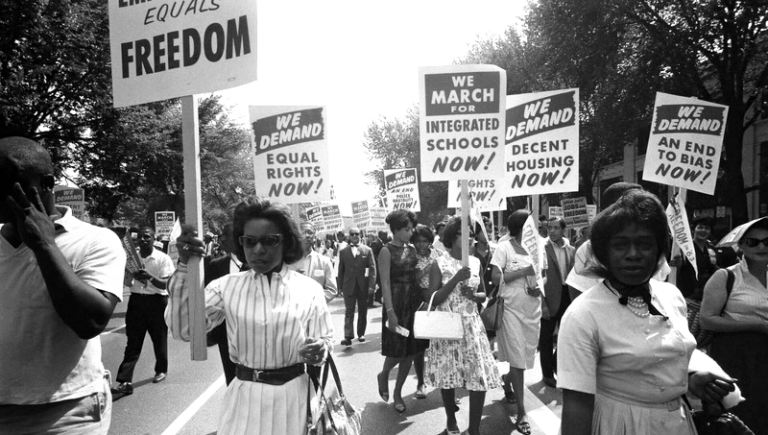
Five essential books explore the contributions of women to the early civil rights movement in the United States. These women, both Black and white, fought against Jim Crow laws and laid the groundwork for the more well-known period of the Civil Rights Movement.
Patricia Bell-Scott's "The Firebrand and the First Lady" examines the lasting friendship between First Lady Eleanor Roosevelt and writer-scholar-activist Pauli Murray. Murray, a prominent figure in the civil rights movement, acted as a moral compass for Roosevelt, urging her to take action on behalf of marginalized groups. Their intellectual partnership lasted for 25 years and helped shape the movement.
In "Revolt Against Chivalry," Jacqueline Dowd Hall challenges the traditional view of white Southern women during the Jim Crow era. She reveals how a network of white, church-going women, led by Jesse Daniel Ames, organized to combat lynching. The Association of Southern Women for the Prevention of Lynching (ASWPL) grew to four million members by the early 1940s, effectively dismantling the notion of white Southern chivalry.
John Egerton's "Speak Now Against the Day" documents the generation of Southern liberals who attempted—unsuccessfully—to dismantle Jim Crow between 1938 and 1948. This period of opportunity saw the growth of an interracial coalition of Black and white Southerners of different backgrounds and classes. World War II and returning Black soldiers played a role in radicalizing the movement, as well as the rise of the Southern labor movement. However, white supremacist backlash ultimately led to the movement's downfall.
Written by urgent.news from Literary Hub's reporting — not their text. Machine-written — may contain errors; check the original before relying on it.