First week of life seems critical for future allergy and eczema risk
The mainstream view is that there are no particularly crucial phases in the development of the immune system, but a study of hundreds of infants suggests otherwise
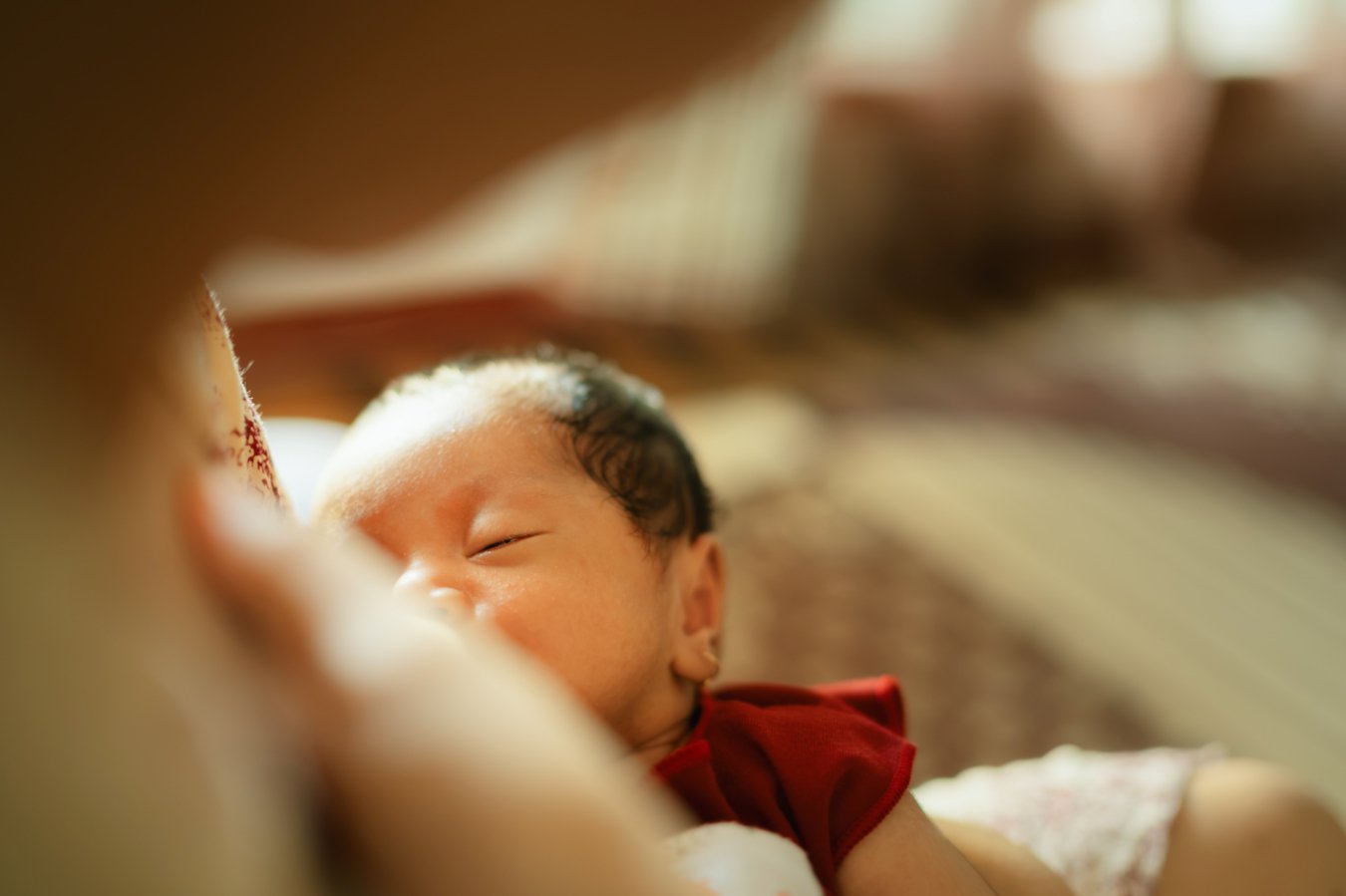
First week of life immune reactions linked to future allergy and eczema risk in babies. Babies who show a strong immune response during their first week of life have triple the risk of developing allergies or eczema by age 1, compared to those with a weak immune response. This early immune response appears to be influenced by the baby's microbiome and feeding habits.
Petter Brodin, an immunologist at Imperial College London, presented findings at an immune conference in London, suggesting that an immune reaction in the first week of life has a significant impact on the subsequent development of a baby's immune system. The study, conducted on nearly 600 infants in Sweden, found that half of the babies had a strong immune reaction marked by high levels of inflammatory molecules during the first week.
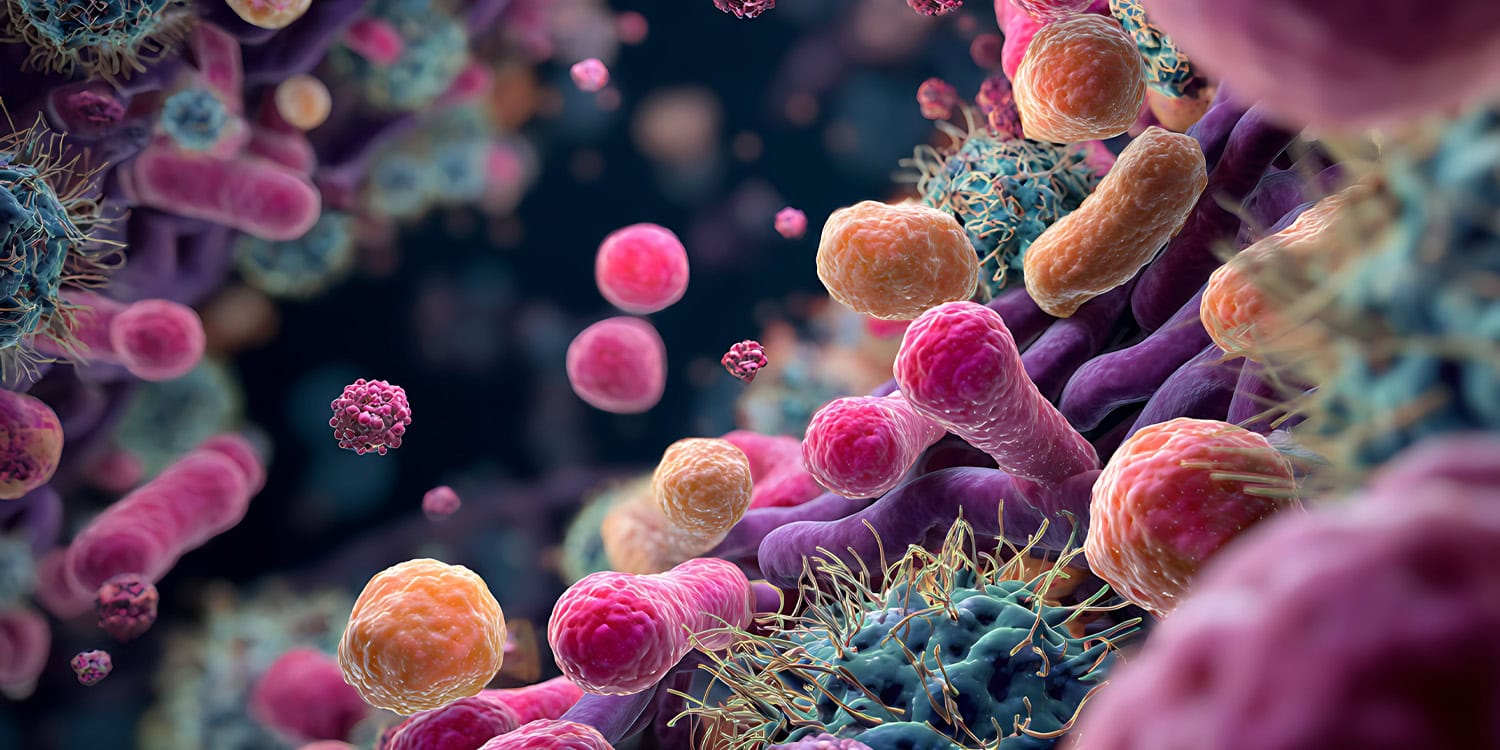
These babies had a higher abundance of Bacteroides bacteria in their gut, which may drive the strong seeding reaction. Babies acquire these bacteria through interactions with their mother and family members. The researchers believe the effects of the seeding reaction last for about a week, as the gut is especially leaky during this time, allowing bacteria like Bacteroides to enter the bloodstream and activate immune cells.
Babies with a strong seeding reaction were 39% more likely to develop eczema or a food allergy by age 1, compared to 12% of those with a weak seeding reaction. The risk varied depending on whether the baby was breastfed or fed formula milk and the levels of bifidobacteria in their gut. Breastfed babies with low bifidobacteria levels were more likely to develop allergies or eczema, while those with high bifidobacteria levels were less likely to develop them.
The study suggests that a weak seeding reaction is ideal, and further research could lead to personalized medicine for infants, such as using probiotics to boost beneficial microbes and reduce allergy or eczema risk.
Written by urgent.news from New Scientist's reporting — not their text. Machine-written — may contain errors; check the original before relying on it.