Feed Ghana Programme cuts food import dependence
The Feed Ghana Programme (FGP) has begun reducing Ghana’s dependence on imported food through increased domestic crop and livestock production.
The Feed Ghana Programme (FGP) has been working to decrease Ghana's reliance on imported food by boosting domestic crop and livestock production. Launched in April 2025, the initiative has seen increased output of maize, rice, tomatoes, and poultry, with officials emphasizing improved domestic supply and advancements towards food self-sufficiency.
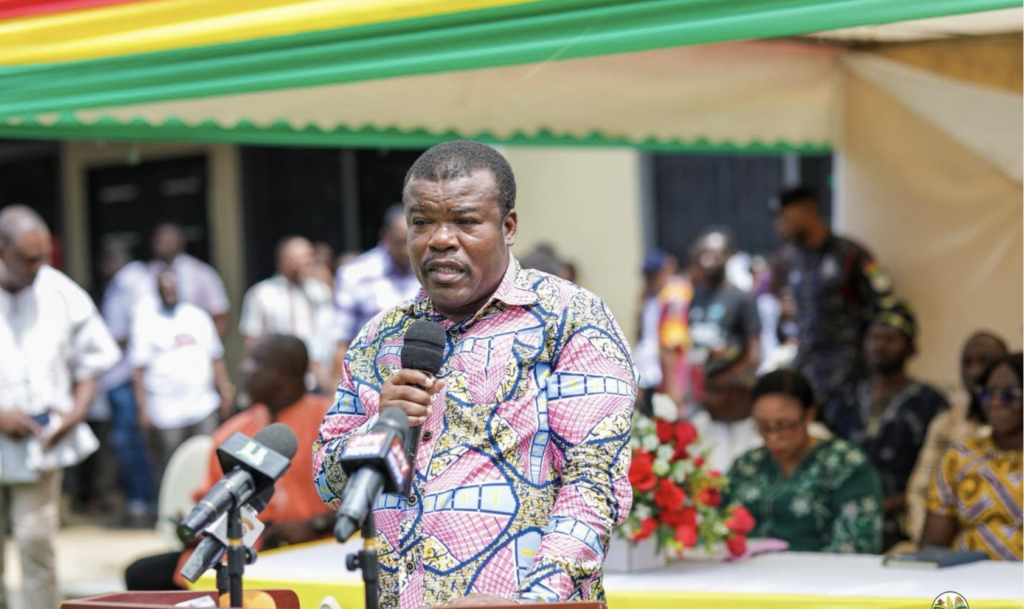
Bright Kwadzo Demordzi, the National Coordinator of the FGP, made these observations in an interview with the Ghana News Agency at the 2nd West Africa Agri Show in Accra. He reported that maize production surpassed 100% of national consumption, rice sufficiency expanded from 42% to 56%, and poultry sufficiency grew from five to 21% over the past 17 months.
Tomato farmers in significant producing zones have also harvested abundantly, although difficulties persist in acquiring and purchasing products to secure market access. Demordzi credited the program's success to government assistance, including the Nkoko Nkitinkiti poultry project, distribution of fertilizers and farm inputs, and enhanced irrigation infrastructure.
He noted that these achievements reflect growing farmer confidence and heightened investment in agriculture, facilitated by GH¢1.5 billion allocated in the 2025 budget for agricultural sector initiatives, including the FGP. The budget for 2026 allocated GH¢245 million to the agriculture sector to expand food security and agro-industrial value chains, encompassing the FGP, grains and vegetables, and the Nkoko Nkitinkiti livestock program.
Demordzi noted that while the country is progressing in import substitution, particularly with maize production exceeding consumption and poultry sufficiency reaching 21%, the subsequent stage will concentrate on connecting farmers to value-chain participants and innovative technologies to enhance storage, transportation, and processing.
He highlighted that farmers are currently producing in excess, and the next step involves establishing systems for purchasing their products to boost profitability levels and encourage further production. The program is scheduled to enter its second phase in October, with additional measures aimed at reducing prices by December.
Demordzi emphasized the necessity of stronger collaboration among the organizers of the West Africa Agri Show, the FGP, government entities, and value-chain stakeholders across West Africa. He advocated for partnerships involving farmers and cooperative leaders, featuring hands-on demonstrations, follow-ups, and exposure to innovations.
Françoise Sayi, the Country Director of the Global Alliance for Improved Nutrition in Benin, stressed the importance of value-chain transformation, warning that mere production is insufficient to achieve nutrition, food sustainability, and security. She argued that storage, processing, and marketing must also be considered to ensure nutritious, safe, and affordable food reaches every household and community member.
Zarreen Akhtar, Director of Azalix Business Media, the organizers of the West Africa Agri Show, expressed optimism about the region's agricultural potential, citing opportunities for collaboration among participating businesses. She noted that the event attracted over 25 countries, including companies from Europe, the US, the Middle East, and China, all focused on connecting with the right partners.
Akhtar stated that the organizers aim to engage more agriculture-sector value-chain players across West Africa to foster growth in the agribusiness market on the continent.
Written by urgent.news from MyJoyOnline Ghana's reporting — not their text. Machine-written — may contain errors; check the original before relying on it.