Enterprise storage becomes AI memory as privately run models close in on the frontier
As open-weight models close in on the performance of proprietary frontier systems, enterprises are gaining a credible way to run generative AI on hardware they own. That shift puts the data already sitting in corporate storage at the center of the private AI conversation. Many organizations are now moving AI out of pilot projects and […] The post Enterprise storage becomes AI memory as privately…
Open-weight models are rapidly closing in on the performance of proprietary frontier systems, giving enterprises a credible option to run generative AI on their own hardware. This shift puts corporate stored data at the forefront of the private AI conversation, with many organizations moving AI out of pilot projects and into production using intelligent data infrastructure.
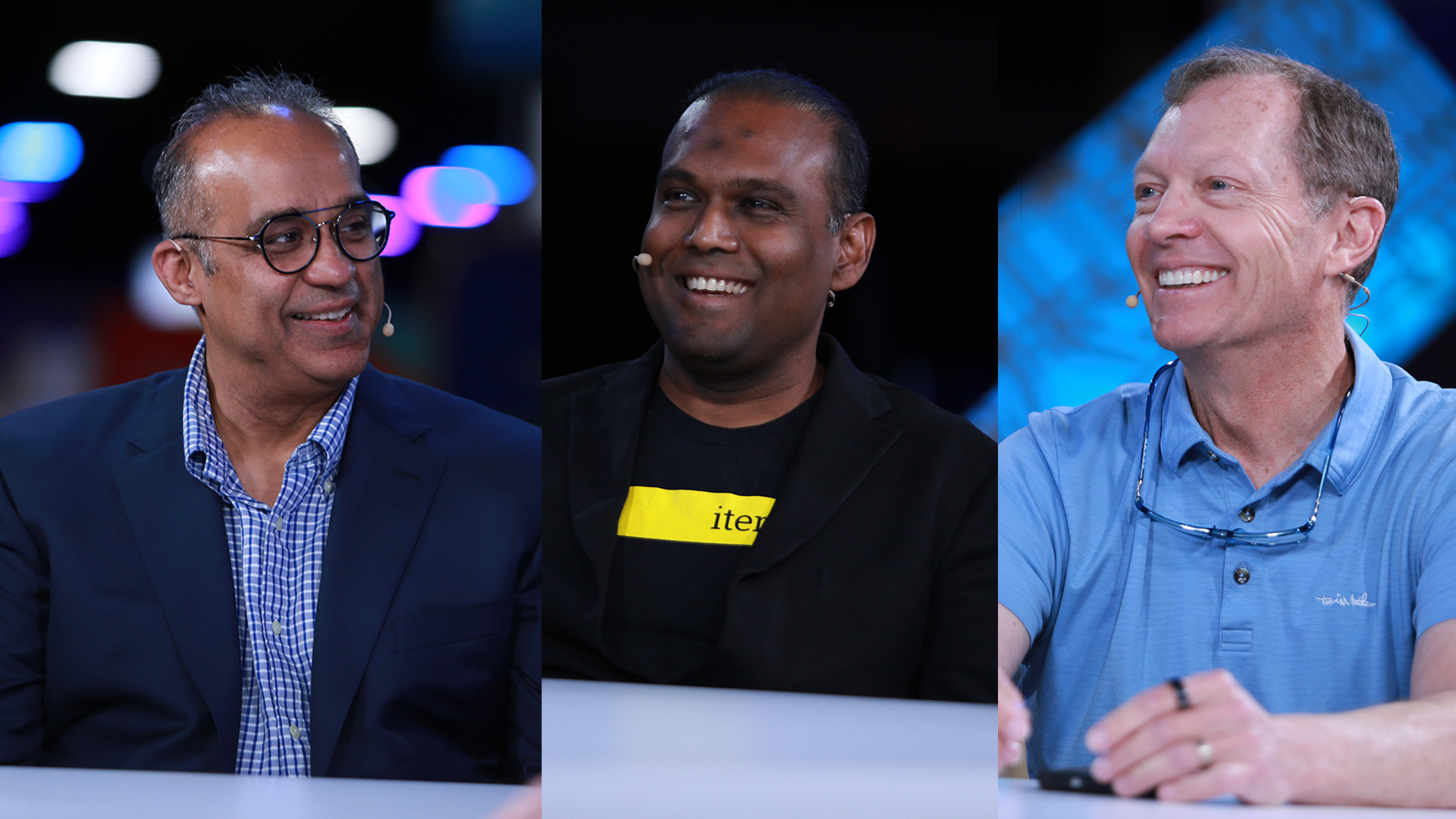
Senior vice president and general manager of NetApp Inc.'s Cloud Business Unit, Ashish Dhawan, noted that both closed and open-weight models are nearing the frontier. The partnership between NetApp and Iterate.ai centers on the AIPod Mini, a turnkey appliance that combines NetApp infrastructure with Iterate.ai's Generate platform.
This setup keeps the model, hardware, and data under the customer's control, avoiding third-party services. Out of the box, the system comes with over 200 agent templates, 200 skills, and access to more than 800 tools. Iterate.ai frames its approach as outcome-based AI, focusing on producing proper KPIs and business outcomes, while NetApp's Novus storage architecture is designed for zettabyte-scale capacity in AI factories.
The key takeaway is that capable open-weight models only deliver results when they can access the institutional knowledge stored in enterprise storage.
Written by urgent.news from SiliconANGLE's reporting — not their text. Machine-written — may contain errors; check the original before relying on it.