Energy shock keeps inflation elevated
The double-digit inflation spree continues, as inflation remained above 10 percent in five out of the last six months due to the low-base effect, a sharp rise in energy prices, and elevated wheat and other food prices. The reading stood at 10.3 percent in September, compared to 11.1 percent in the previous month and 5.8 percent in the same month last year. The 3MFY27 CPI average stood at 10.2…
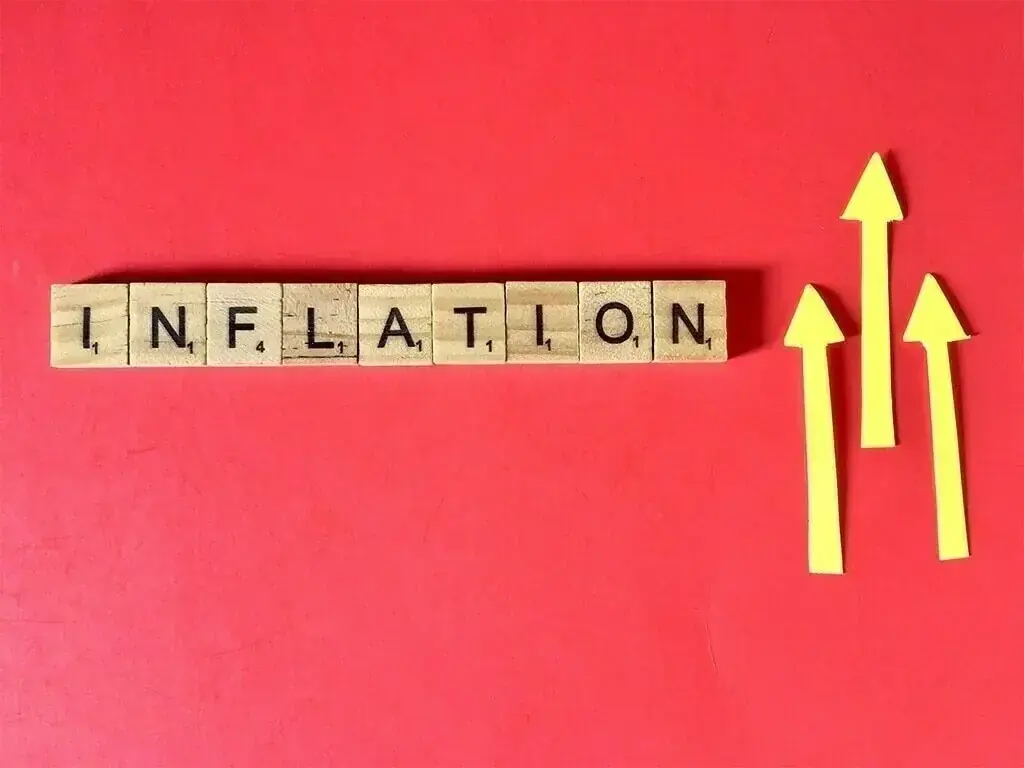
Inflation remained above 10 percent for five out of the last six months, driven by low-base effects, soaring energy prices, and surging wheat and food prices. September saw a 10.3 percent inflation rate, up from 11.1 percent the previous month and 5.8 percent a year ago. The 3MFY27 CPI averaged 10.2 percent, with headline inflation likely to stay elevated until March 2027, hovering between 9-12 percent as favorable base effects take hold.
The upside risk stems from persistently high oil prices, which could cause inflation to climb further. Following interest rate increases in several developed nations, a policy rate hike may be unavoidable by October. September's month-over-month (MoM) inflation stood at 1.3 percent, above 1 percent for three consecutive months and five out of the last seven months. This upward trend primarily affects transportation and utility indices due to escalating energy costs, which also impact food prices indirectly.
In September, the MoM increase in food prices slowed to 0.2 percent, down from 2.5 percent in the prior two months. While wheat prices continue to climb at a decelerating pace, other food items, both perishable and non-perishable, experienced a decline in prices. Nevertheless, the transportation index increased by 5.8 percent MoM, with a yearly rise of 27.4 percent.
Motor fuel prices in urban areas jumped 10.8 percent MoM, amounting to a 37.7 percent yearly increase. Electricity charges surged even higher, driven by a 15.3 percent rise in the First Consumer Advance (FCA) and a 5.4 percent increase in liquid hydrocarbons, leading to a 3.1 percent MoM and 12.4 percent year-over-year increase in the housing and utilities index.
These factors compound consumers' hardships. Core inflation, currently hovering around 8-9 percent, remains stubbornly high, with only two months of the past seven witnessing an increase above 1 percent. Its modest rise indicates that the secondary effects of higher energy prices have largely remained contained, likely due to extensive solarization in agriculture, households, and industry, as well as limited wage pressure.
However, this trend could shift if oil and petroleum prices stay persistently high in the coming months.
Global seasonal energy demand, particularly for gas, is on the rise ahead of winter, and the ongoing conflict shows no signs of ending. This sustained demand, coupled with high energy prices, keeps them elevated, heightening the risk of inflation staying above the State Bank of Pakistan's (SBP) medium-term target of 5-7 percent. It is crucial to anchor inflation expectations through proactive monetary and exchange-rate policies. While external pressures are relatively subdued, inflationary pressure is on the rise.
To prevent inflationary pressures from intensifying, it is essential that oil prices decline by a few percentage points within the next three weeks. Otherwise, the SBP may opt for a 50 basis points increase during the October 26 monetary policy review.
Written by urgent.news from Business Recorder's reporting — not their text. Machine-written — may contain errors; check the original before relying on it.