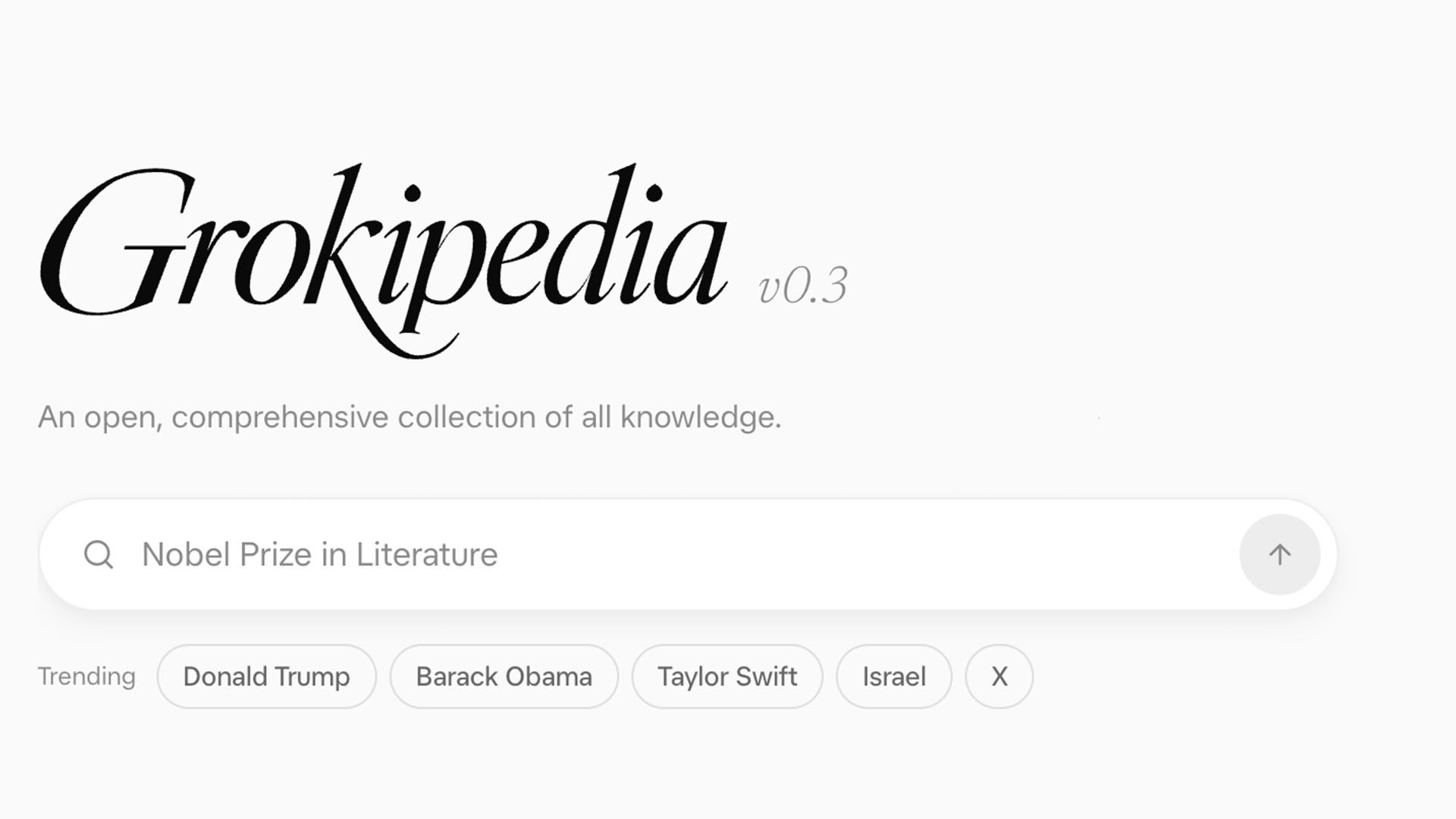
Elon Musk’s Grokipedia gets a scholarly makeover
But do looks outweigh the facts?
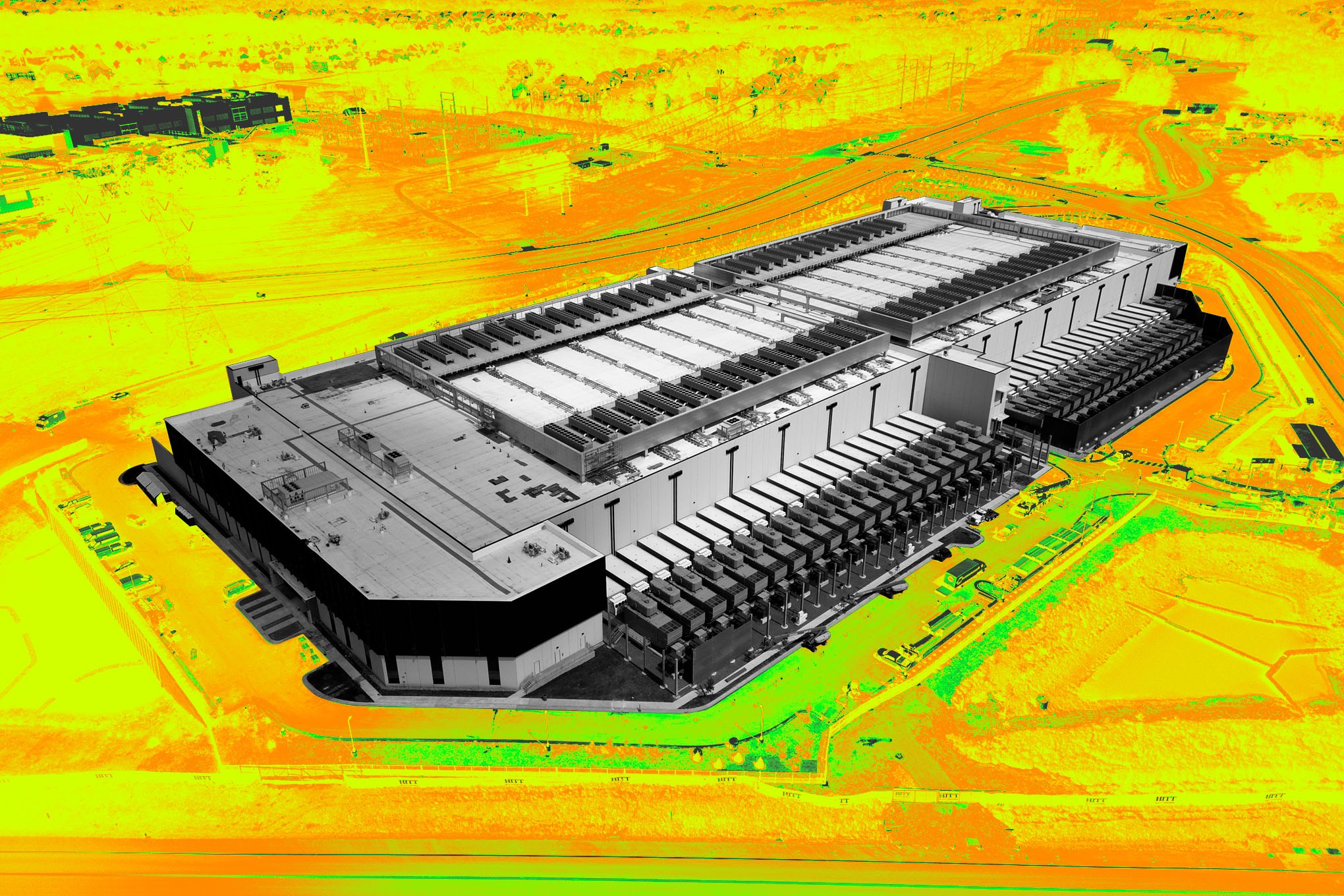
Elon Musk predicts that space will soon host nearly all computing power, but Google is cautiously exploring the possibility in its Project Suncatcher. The tech giant's plan is to launch a test satellite with Tensor Processing Units (TPUs) to determine if AI data centers can function in space. While SpaceX and Nvidia aim to rapidly deploy AI infrastructure in orbit, Google believes it should first verify whether TPUs can survive the harsh conditions of space.
The first Suncatcher satellite, set to launch this October, carries four TPUs and must endure extreme temperatures, radiation, and intense vibrations during the launch. Google's engineers cite high-energy particles and cooling challenges as significant hurdles. Unlike Earth-based servers, the hardware will face unique stresses that haven't been fully replicated on the ground.
If successful, Google envisions a constellation of solar-powered, laser-linked satellites forming a high-speed AI compute network. This initial satellite mission serves as a research moonshot to identify potential obstacles and refine the technology for future, more ambitious space-based AI infrastructure.
Written by urgent.news from The New Stack's reporting — not their text. Machine-written — may contain errors; check the original before relying on it.
This story
This is one outlet's version. Read the fullest account.
- Elon Musk says space will soon hold nearly all compute. Google is still finding out if its chips can work there. thenewstack.io
- The Pentagon taps Elon Musk and Palmer Luckey to help decide what the military should do next techcrunch.com
- Elon Musk’s Grokipedia has a ‘newly refreshed’ design theverge.com
- DOD taps Elon Musk, Palmer Luckey, and former House Speaker Newt Gingrich for Project Meridian, a 120-day study of capabilities the US may need in future wars (Luke Fountain/CNBC) cnbc.com