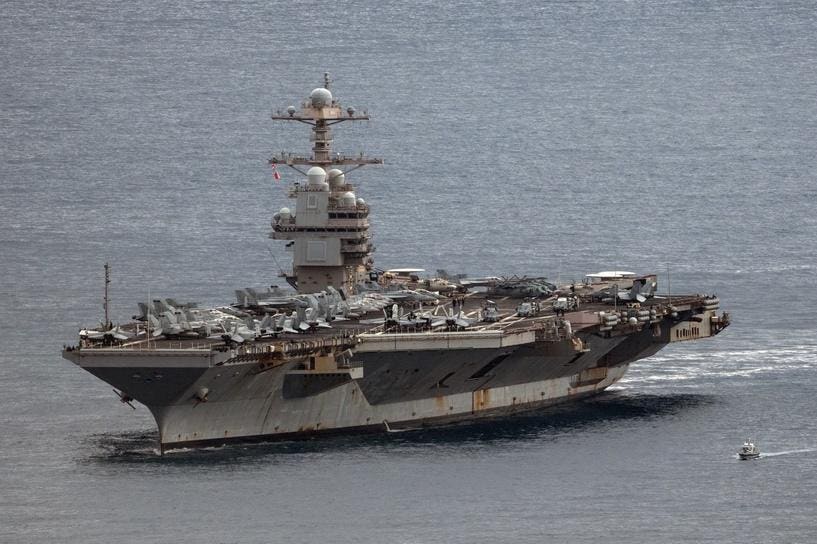
El primer campo de batalla de la defensa de un país es la ingeniería
La autonomía estratégica europea no dependerá únicamente del porcentaje del PIB que destinemos a defensa. Dependerá de nuestra capacidad para convertir esa inversión en sistemas reales, en los volúmenes y plazos que requieran las circunstancias
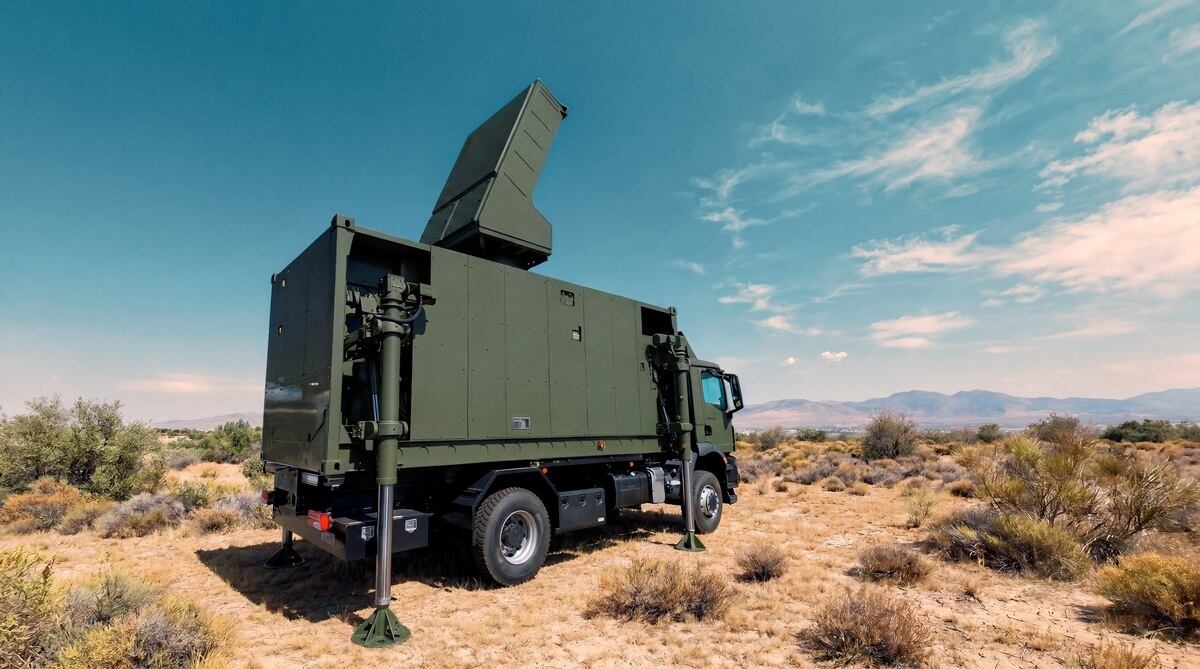
When one considers the defense of a country, images of fighter jets, frigates, armored vehicles, missiles, and similar equipment often come to mind. However, the very first battlefield does not exist in the air, sea, or land; it occurs much earlier: in engineering. This might seem like an exaggerated statement, but a recent experience makes it clear.
Several months ago, a major aerospace and defense company approached us with a challenge: they needed to significantly increase the production capacity of one of their systems. The initial reaction seemed evident: to incorporate more automation, install new robots, or expand manufacturing lines. Upon analyzing the project, though, we discovered that the true limitation was not in the factory, but several steps before: in the engineering decisions made when that system was conceived.
This experience illustrates a challenge that now transcends a single company and affects the entire sector across Europe. The war in Ukraine and the new geopolitical landscape have placed defense at the center of the European debate. Spain exemplifies this change: security and defense spending increased from 1.4% of GDP in 2024 to 2% in 2025.
However, increasing budgets alone is not enough. Money can be mobilized relatively quickly, but developing technology, certifying systems, training specialized professionals, or creating industrial capacity requires years. The real question is whether Europe can turn this investment into real capabilities at the pace required by the new context.
For decades, many of the systems that now form part of European defense capabilities were conceived for relatively stable production rates. No one imagined that years later, it would be necessary to multiply their manufacturing within months. That is why, today, when we speak of strengthening the technological and industrial base of defense, we often think of new factories, greater automation, or new investments to increase productive capacity.
All of this is necessary. However, there is a limit that seldom appears in the public debate: no industrial process can fully compensate for a product that was never conceived to be manufactured on a scalable basis. Our experience shows that this reality occurs more frequently than we imagine. We find systems whose geometry hinders automation, assembly processes overly dependent on manual labor, or technically excellent solutions that greatly complicate production scaling.
These are not engineering errors; they are decisions made in a different context. The difficulty is especially evident in many of the existing systems, where there is a very limited margin for modifying a certified design. However, Europe is also developing new systems—such as drones, UAVs, or new munitions—and in these areas, we can still make better engineering decisions.
The selection of materials illustrates this well: a material suitable for manufacturing a prototype may not be suitable for producing thousands of units. Designing with a focus solely on development can ultimately undermine future industrialization. That is why materials, processes, and manufacturing must be part of a single engineering decision from day one.
For decades, we have understood design as a phase preceding industrialization. First, we design the product, then certify it, and finally, we think about how to manufacture it. The new context demands that we integrate both disciplines from the beginning. Today, it is no longer enough to simply design the product. We must also design its manufacturing capacity.
When an engineer defines the architecture of a defense system, they not only determine its functionality, weight, or resistance, but also decide which materials can be used, whether the product can be automated, how much it will cost to increase its production, and how quickly industry can respond when circumstances change. The first industrial decision of a defense system is not made when a robot is installed.
It is made when the first floor plan is drawn. The defense industry also faces a singular paradox: it must be prepared to multiply its production when necessary, but it cannot permanently overdimension factories. The answer lies in designing products whose manufacturing can scale quickly with limited additional investments. Dual technology will continue to be one of Europe's greatest assets.
However, not all industrial capacity can be dual. Precisely for this reason, certain systems must be conceived from the start so that their production can grow rapidly when circumstances require it. For years, Europe has spoken of technological sovereignty: the need to preserve the knowledge necessary to develop what it considers strategic.
Today, we must add a second dimension: the ability to materialize that knowledge when it is truly needed. In our company, we live daily with this reality. Our involvement in aerospace and defense programs, as well as our experience in manufacturing structures, critical systems, and automated processes, have allowed us to see that excellent technology is not enough.
It must be conceived to be manufactured, evolved, and scaled in production throughout its life cycle. This requires that product, materials, processes, automation, and production experts participate from the earliest stages of development. Industrialization cannot consist of trying to fabricate what others designed beforehand. It must be part of the design itself.
European strategic autonomy will not depend solely on the percentage of GDP we allocate to defense. It will depend on our ability to convert that investment into real systems, in volumes and timeframes.
Written by urgent.news from El Pais Economia's reporting — not their text. Machine-written — may contain errors; check the original before relying on it.