Education tax credit rules are here. Will they lure Democratic governors off the fence?
Did you know search engines like Google are changing the way you see news? Keep Chalkbeat’s valuable education coverage at the top of your feeds by clicking here and checking the box next to our name. Democratic governors have said for months that they were waiting for the Trump administration to explain exactly how a new education tax credit would work before deciding whether to opt in. Now…
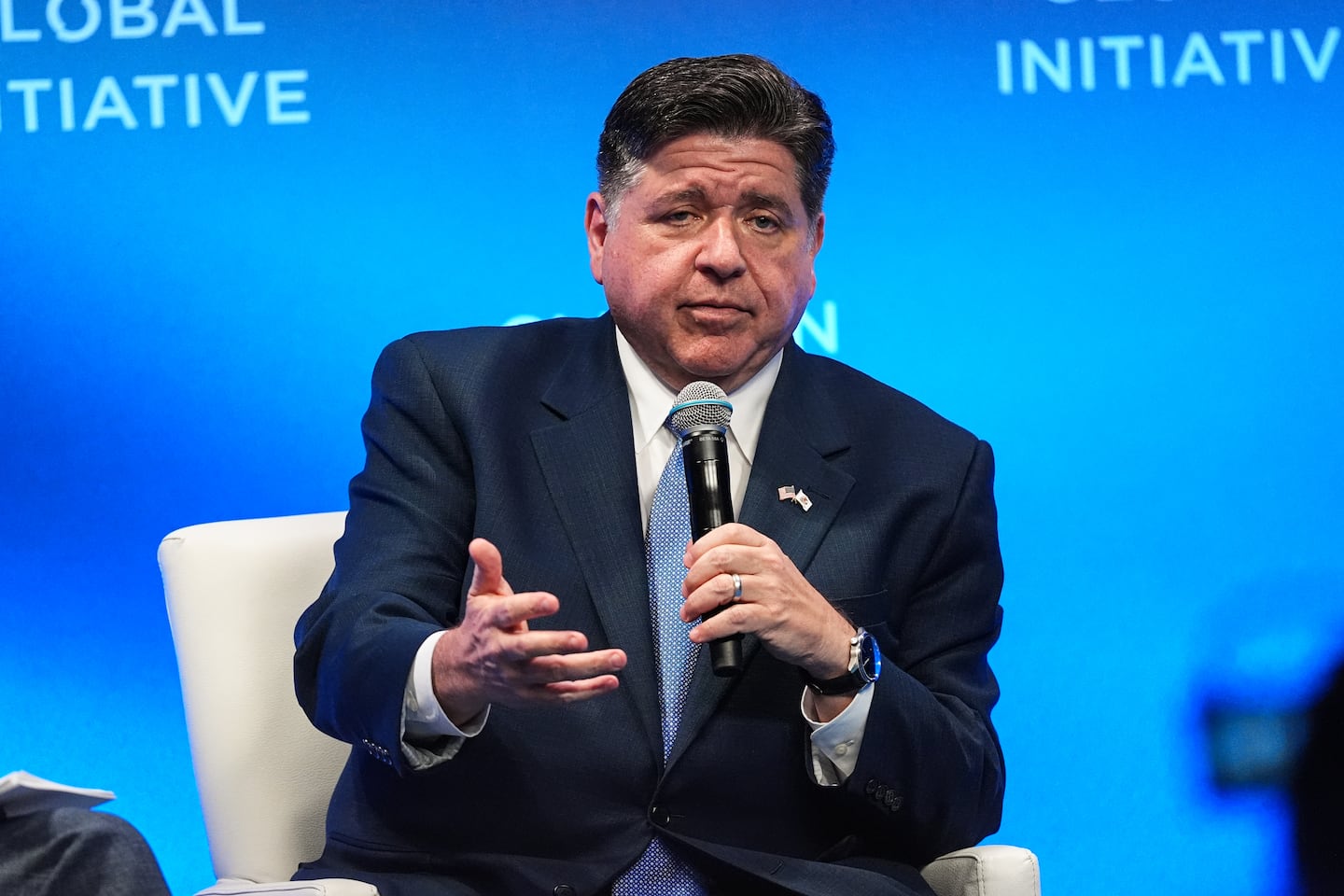
The new education tax credit rules, released by the Trump administration, are awaiting the approval of Democratic governors before they can be implemented. These rules provide an opportunity for the federal government to inject billions of dollars into schools, potentially transforming the education landscape in unforeseen ways. However, some Democratic governors remain hesitant due to concerns about the rules and the potential influence of President Donald Trump and congressional Republicans.
According to the rules, all 30 states have indicated their intent to participate, with Democratic governors accounting for 18 of these states. The rules, which run 181 pages, do not provide clear guidance on certain aspects, such as allowing governors to shape the program to prioritize the needs of disadvantaged students. Moreover, it remains uncertain to what extent Democratic governors will align themselves with a policy associated with the Republican administration.
A key issue for Democratic governors is the lack of discretion in selecting scholarship groups. Despite initial concerns from some Democratic governors, including Oregon's Tina Kotek, that excluding certain groups, like religious or equity-focused organizations, could be a deal-breaker, the Treasury Department rules explicitly state that states cannot decide which scholarship groups are eligible.
The rules also provide limited information on how the tax-credit money can be utilized. While the funds can be used for tutoring, after-school programs, enrichment activities, and even to bolster school budgets through fees paid by families, the Treasury Department has yet to provide definitive guidelines. This leaves public school administrators with little time to plan how best to leverage this new funding opportunity.
Written by urgent.news from Chalkbeat's reporting — not their text. Machine-written — may contain errors; check the original before relying on it.