Durkee’s Is Dead
On the disappearance of a beloved condiment
When I was a child, my father's client in a small town once paid his legal fees not with money, but with deliveries of homegrown tomatoes. Those tomatoes, almost as red as the summer sun, were juicy and earthy. My father would salt them "to make them bleed," a practice he cherished. This was during the mid-1980s, a time when life in the Mississippi Delta was anchored by agricultural rhythms.
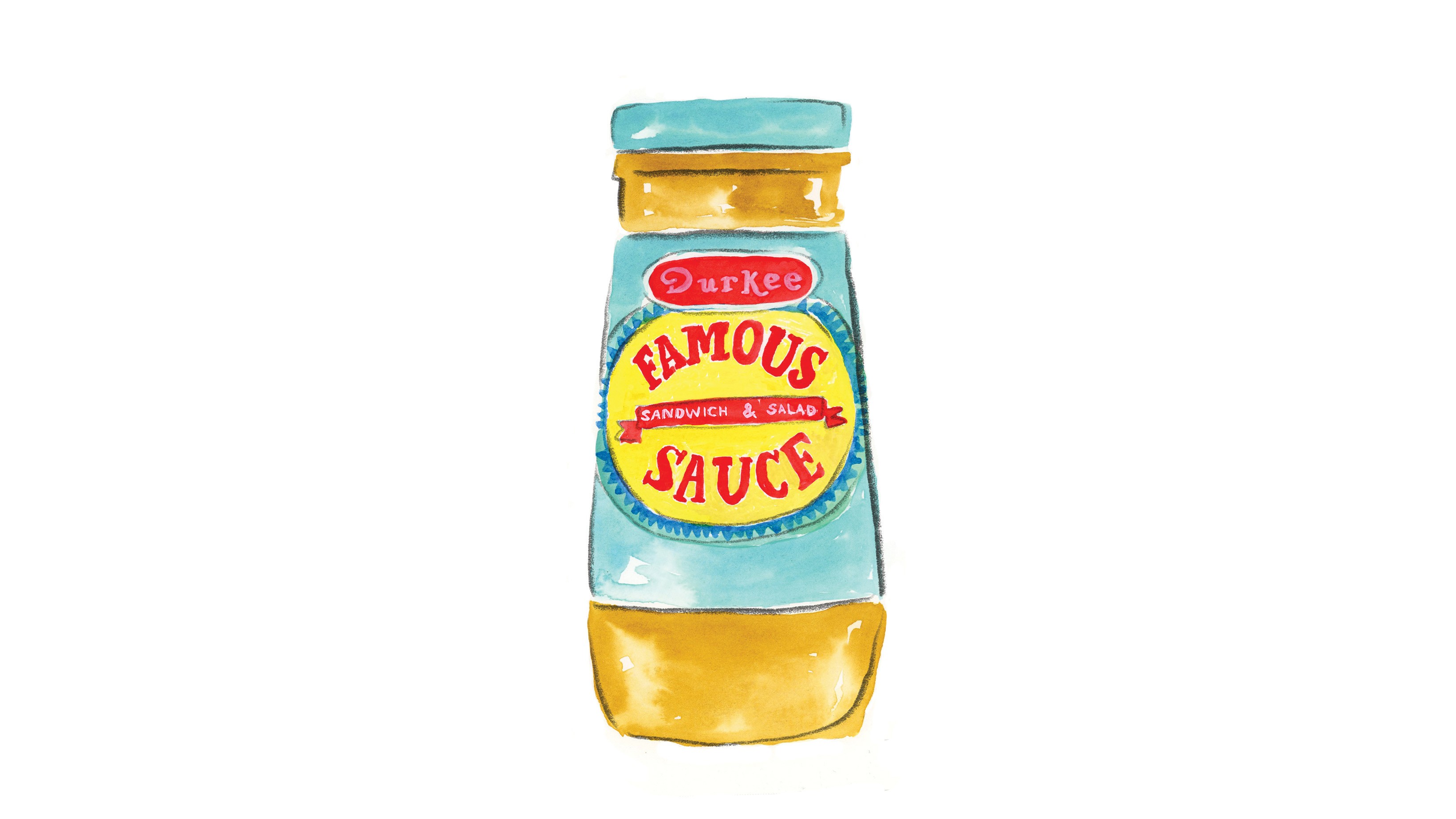
My parents grew up near the Civil War-era, with my mother recalling tales of the past. Clarksdale, our hometown, was suffused with the scent of defoliant from low-flying crop dusters. During the summer, most high school friends and I would work, chopping cotton or working in the gin yard. Our family dined on tomatoes nearly every night, usually as a sandwich with bacon, tomatoes, Wonder Bread, and Durkee Famous Sauce.
Durkee’s, as it was known, was the base ingredient for my mother's stuffed eggs, and the only acceptable condiment for Thanksgiving-leftovers sandwiches. It was a staple in Southern refrigerators. However, this summer, while the tomatoes were at their peak, my mother came running into the house with tragic news. Durkee’s had been discontinued!
The brand was no longer to be found anywhere. Her friends across the Delta had been searching, online and in stores, but to no avail. Attempts to create homemade recipes had begun. My mother remarked that summer would never taste the same. "You just count on some things being there," she said, with a sense of loss. I understood her despair; Durkee’s was, indeed, the taste of summer.
I pondered what those tomatoes would think. My mother, who grew up during the civil-rights movement in Shelby, Mississippi, had moved 20 miles north to Clarksdale after marrying my father. Now, at 79, she reads the headlines and feels like she's witnessing a time she thought would never return. Like many progressive southerners, she's had to witness the flawed yet moral core of the United States turn to ashes in her lifetime.
Sometimes, even little things, like losing a familiar taste, can become mourners' benches, especially when those sandwiches were truly good. My mother asked me, her reporter son, to find out what had happened. I quickly confirmed that Durkee’s was indeed dead. B&G Foods, which bought the Durkee brand in 2016, decided to discontinue the condiment sometime last year.
The company made no public announcement or press release. Some learned of the sauce's demise when they received emails from B&G, while many realized it only as the last bottles disappeared from shelves. A food blogger, Otis Maxwell, recounted noticing as early as 2013 that Durkee’s was becoming harder to find, often having to purchase it online.
He wrote about the sauce being officially discontinued and shared his own recipe, which has gained much attention. People across the South and beyond, including Saratoga Springs, New York, and Butte, Montana, are mourning the loss of Durkee’s. An emerging subculture has formed around recreating the sauce, with various recipes circulating online.
My mother recently tried a recipe and found it close but not quite the same. Jeffrey Reed, who recently moved to the beach, packed his last bottles of Durkee’s before leaving his house in northern Mississippi. For him, the sauce was a parting gift from his home. As I reported on Durkee’s death, I discovered people across the country, distraught over its loss, shared how they used the last bottles from their supply.
Durkee’s was a part of countless family gatherings and memories, like Maker's Mark and Vantage cigarettes for my friend Andy Tennille. The internet is filled with discussions about lost brands and vanished restaurants, like Fleur de Lis Pizza in Baton Rouge, the Ranchero in Clarksdale, and the 14th Street Grill in Phenix City. Losing a familiar taste can be like losing a piece of one's home, especially in a country where people move for work, leaving behind familiar flavors that connect them to their past.
Written by urgent.news from The Atlantic's reporting — not their text. Machine-written — may contain errors; check the original before relying on it.