Documenting the tech worker movement
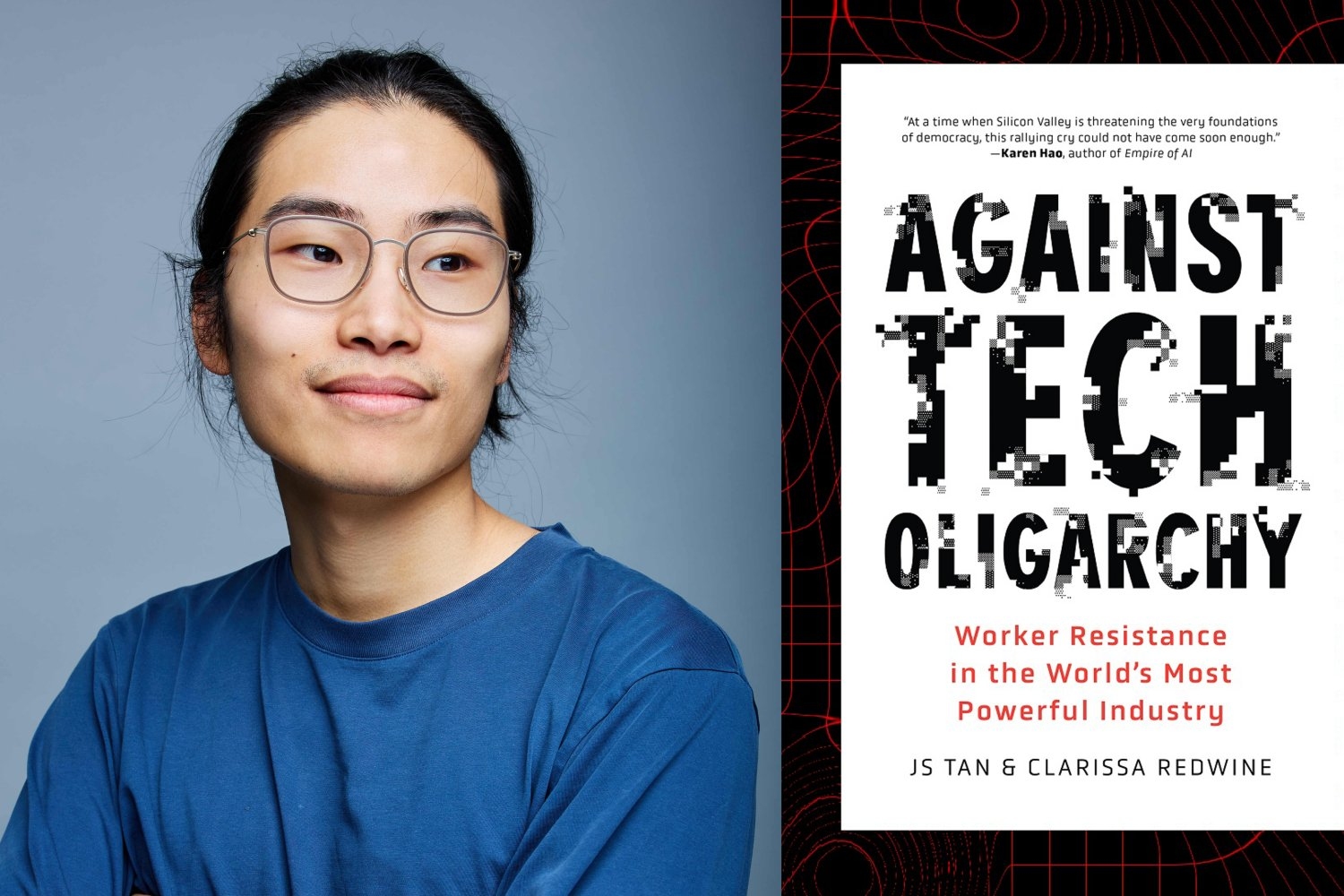
Writing as a participant and researcher, PhD student JS Tan SM ’22 has co-authored a new book about the rise of tech worker protests and the employer backlash that followed.
In 2000, the tech industry continued to attract professionals despite the dot-com crash, as the digital era and technological advancements were seen as the future. High-paying positions for engineers, designers, and other professionals became prevalent in the labor market. Tech workers, including MIT graduate JS Tan, were drawn to the potential for a more progressive world through technology. Google's "don't be evil" mantra exemplified this ethos, although it was later abandoned.
However, as the Trump administration began, tech employees started to question if their employers were truly committed to democratic values. Tan and co-author Clarissa Redwine have documented this phenomenon in their new book, "Against Tech Oligarchy: Worker Resistance in the World’s Most Powerful Industry" (Haymarket Books, 2026). The book chronicles how tech workers organized, the strategies they employed, and the impact on Silicon Valley labor politics over the past decade.
In 2017, President Trump signed an executive order suspending entry for nationals from seven predominantly Muslim countries and indefinitely halted Syrian refugees. Tech industry leaders, such as OpenAI's Sam Altman, publicly opposed these policies, leading to protests and employee pushback. This resistance initially yielded results, such as Google's decision to not renew its contract for Project Maven, a Pentagon initiative using artificial intelligence for drone surveillance footage.
Despite these early successes, Tan argues that tech workers have lost much of their leverage over the past few years. A 2022 interest rate hike led to a significant market valuation loss for the tech industry, which in turn pressured companies to cut costs, including salaries. Additionally, advances in agentic AI coding systems have deskilled workers and heightened concerns about job security.
Tan and Redwine believe that without unions or group bargaining power, tech workers may have had more influence during these challenging times.
Written by urgent.news from MIT News AI's reporting — not their text. Machine-written — may contain errors; check the original before relying on it.