Diseases of the past like measles and diphtheria are making a comeback
Decades ago, measles was a routine part of childhood until Australia eliminated the highly-contagious virus through a vaccination campaign. So why are we now seeing the return of it and other preventable childhood diseases?
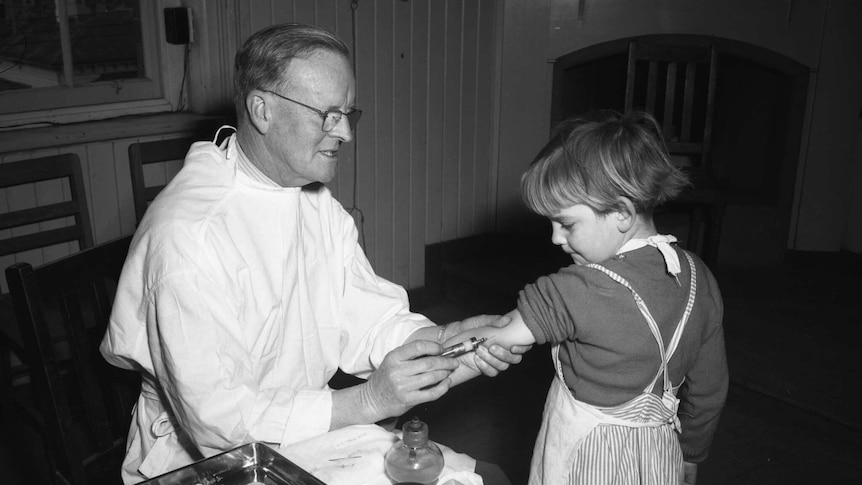
Before vaccines were available, illnesses like measles and diphtheria were a routine part of childhood in Australia. Measles was so widespread in the country that anyone born before the late 1960s likely had the disease as a child and remains immune. Australia has been free of the highly-contagious virus for over a decade following a vaccination drive.
However, recent outbreaks have raised concerns among health officials. A measles outbreak in South Australia, linked to a traveler who contracted the disease overseas, spread within a school community, leading to nine cases this year - the highest since 2016. Diphtheria, another uncommon disease, is also on the rise, with the largest outbreak since records began in 1991.
This outbreak is primarily affecting Indigenous people in remote and regional areas across four states and territories. There have been more than 600 cases of diphtheria in Australia, with 22 cases in South Australia. Health authorities attribute the surge in these diseases to declining vaccination rates, with misinformation and logistical challenges contributing to the issue.
Experts warn that if vaccination rates continue to drop, Australia could lose its measles-free status, a status previously lost by Canada, the UK, and the USA. Despite these challenges, some areas, like the APY Lands, have high vaccination rates and are responding well to the situation.
Written by urgent.news from ABC News AU's reporting — not their text. Machine-written — may contain errors; check the original before relying on it.