College students' living expense loans increase amid soaring housing, food costs
"I make about 600,000 won ($440) a month from my part-time job at a cafe. Even with a little help from my parents, I can't cover my rent and living expenses," said Kim, a college student living in Seongbuk District, Seoul. "I've been asking my friends about income requirements and other eligibility criteria because I'm considering taking out a loan from the Korea Student Aid Foundation (KOSAF)…
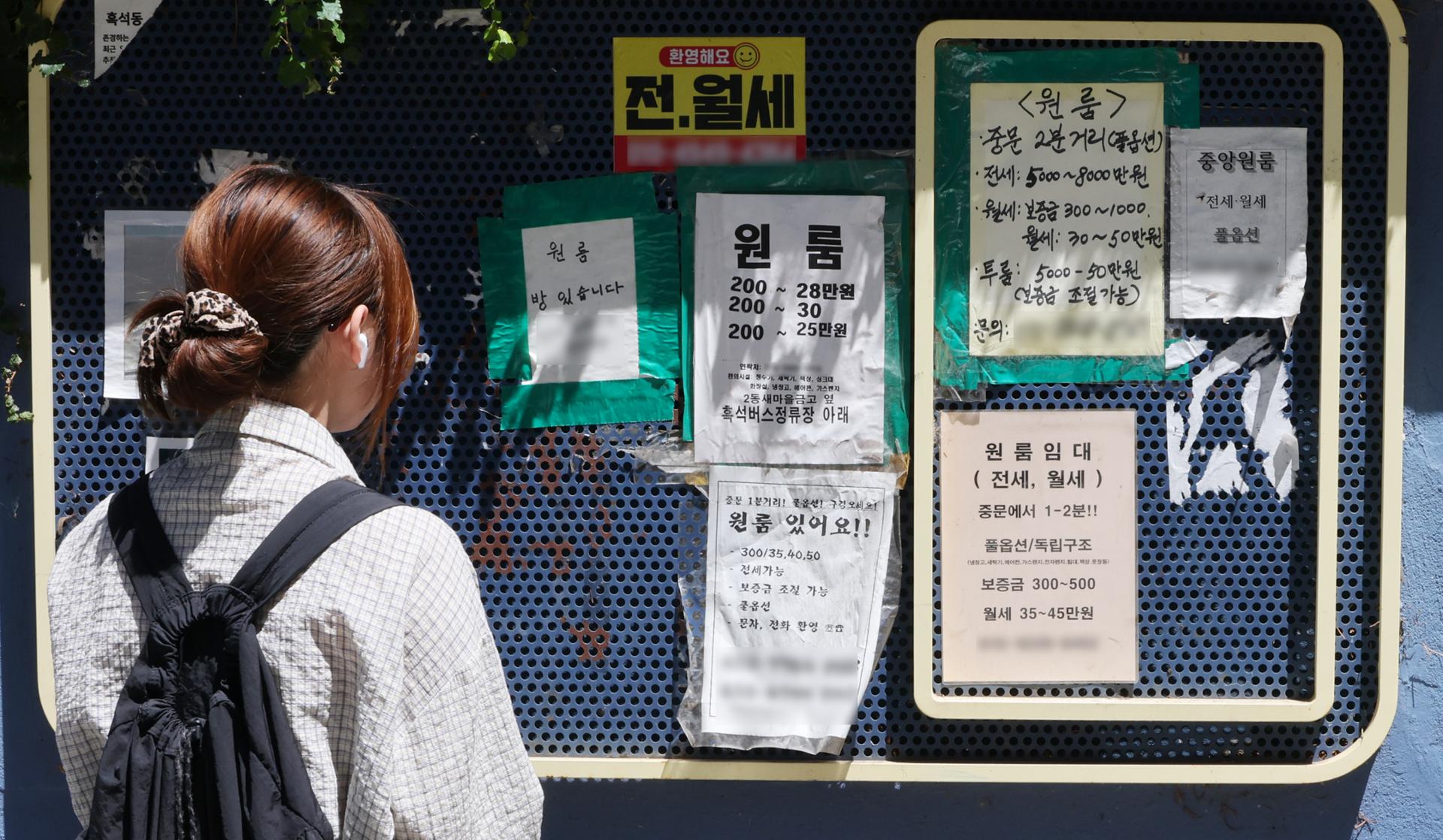
College students in South Korea are increasingly relying on loans to cover their living expenses as housing and food costs continue to rise. Kim, a college student from Seongbuk District in Seoul, expressed her struggle to meet rent and living costs, despite earning about 600,000 won ($440) monthly from her part-time cafe job and receiving some financial assistance from her parents.
The trend of college students seeking living-expense loans is on the rise, with the amount borrowed by KOSAF, the Korea Student Aid Foundation, increasing by nearly one-third over the past two years, data revealed. KOSAF extended living-expense loans worth 850.6 billion won ($626.5 million) to university students in 2025, up from 640.67 billion won ($626.5 million) in 2023. This represents a 32.8% surge in loan amounts.
The number of loans also climbed from 432,171 to 457,129 between 2023 and 2025. These loans are intended to offer students accessible financing for their living expenses. They carry an annual interest rate, but concerns have emerged due to a sharp rise in overdue balances among these loans.
Written by urgent.news from The Korea Times's reporting — not their text. Machine-written — may contain errors; check the original before relying on it.
This story
This is one outlet's version. Read the fullest account.