CMCF calls for greater accuracy, context in refugee reporting
KUALA LUMPUR: Media practitioners and stakeholders have been urged to ensure refugee-related news reports and online content are accurate, contextualised, and free from unnecessary generalisations.
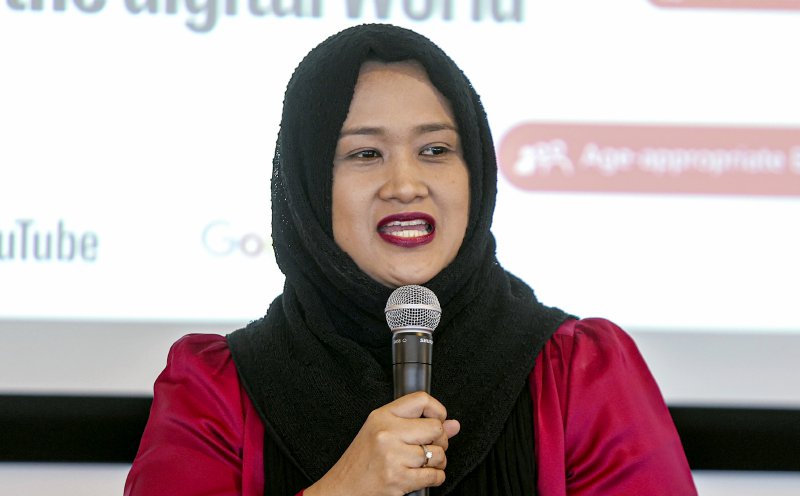
KUALA LUMPUR: Officials with the Communications and Multimedia Content Forum of Malaysia (CMCF) have called for enhanced precision and context in reporting on refugee matters. This request was made during a workshop titled "Roundtable Workshop on Refugee Narratives: Media, Influence and Public Perception," organized by CMCF and the All-Party Parliamentary Group Malaysia (APPGM) – Refugee Policy.
The workshop gathered media professionals, government representatives, civil society members, digital platform representatives, and affected communities to explore the impact of news coverage, headlines, images, and social media posts on public perception of refugee issues.
CMCF's CEO Mediha Mahmood emphasized that misleading information does not always mean the content is entirely false. It can involve accurate material presented without adequate context. Mahmood highlighted examples of misleading content, such as a genuine video with an incorrect caption, a fact devoid of context, or a headline that suggests more than the facts support.
She stressed that thorough reporting does not imply softening challenging subjects. Instead, it entails ensuring the facts are precise, appropriately contextualized, and not allowed to imply conclusions they cannot support.
Deputy chairman of APPGM – Refugee Policy, Ahmad Tarmizi Sulaiman, called for media outlets to provide a platform for diverse viewpoints, including those of the government, local communities, and refugees. He cautioned against using the actions of a few to judge an entire community. Sulaiman stated that the media is not tasked with taking sides but should uphold truth, accuracy, and humanity.
During the workshop, participants analyzed hypothetical scenarios to examine how events could be framed differently. They also discussed how unverified claims can gain credibility as they circulate across various digital platforms. Furthermore, the group explored how legitimate photographs, videos, statistics, and seemingly official documents could be disseminated without proper context.
The discussions also delved into editorial decision-making, the progression of claims across digital platforms, and actionable steps that stakeholders could implement within their specific roles.
The workshop culminated in the development of shared resolutions focusing on accuracy, verification, providing relevant context, responsible utilization of headlines and visuals, and avoiding broad generalizations. CMCF plans to review these resolutions to determine appropriate follow-up actions, which may include creating reference materials, improving access to reliable information, and engaging more extensively with media and other stakeholders.
Written by urgent.news from New Straits Times's reporting — not their text. Machine-written — may contain errors; check the original before relying on it.