Chinese language teachers leave the Philippines over safety fears
Around 150 Chinese language teachers in the Philippines are returning home following mounting criticism from Philippine security officials that educational exchanges involving China could pose national security threats. The withdrawal affects teachers stationed at schools including the Immaculate Conception Academy in Greenhills and Jubilee Christian Academy in Quezon City, both in Metro Manila,…
More than 150 Chinese language teachers are returning to China from the Philippines due to safety concerns, according to local media. The decision was made by the Philippine Chinese Education Research Centre and the Federation of Filipino-Chinese Chambers of Commerce and Industry after families of the instructors raised safety worries amid heightened scrutiny of educational programs.
The teachers left the country on Thursday, with schools informing parents of the departure on the same day, leaving administrators to find substitutes or switch to online classes. This sudden departure highlights the tension between Manila and Beijing, which has been exacerbated by frequent skirmishes in the South China Sea. Chinese-language education has a long history in the Philippines, with an estimated 1.5 million ethnic Chinese Filipinos.
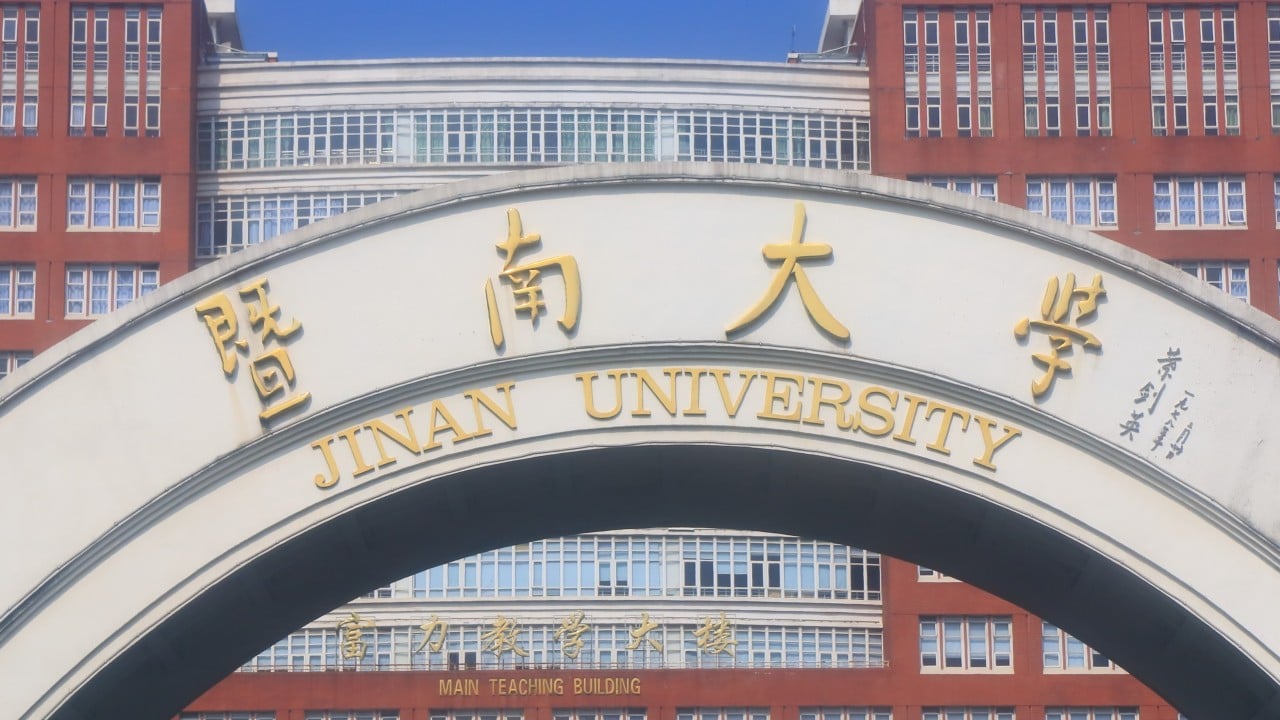
Schools within the community have been offering Chinese-language instruction for years, but have consistently faced challenges in recruiting qualified teachers. The Philippine Chinese Education Research Centre launched programs to address this issue in 1991 and 2004, partnering with universities in China such as Jinan University and South China Normal University to train professionals through teacher training, curriculum design, and career placement.
However, these ties have recently come under scrutiny, with Defence Secretary Gilberto Teodoro Jr. warning in 2019 that academic exchange programs with China might be exploited for "grey-zone" influence operations. He called for tighter supervision to prevent potential national security threats, expressing concern that China might use these exchanges to collect information.
Teodoro reiterated these concerns last weekend, stating that Beijing could use educational collaborations to gain a foothold in the Philippines for information gathering. This issue gained more attention after a July report by SeaLight, a maritime transparency initiative, identified Jinan University as the primary training site for Chinese teachers entering Philippine schools, alleging strong links to Beijing's political influence network.
Beijing has harshly criticized Teodoro, imposing sanctions against him for allegedly making inaccurate statements against China, undermining its interests, and damaging bilateral relations. The Chinese embassy in Manila recently called Teodoro "extremely anti-China," accusing him of trying to interfere with China-Philippines relations and creating animosity between the two nations.
Written by urgent.news from Reuters Business via SCMP's reporting — not their text. Machine-written — may contain errors; check the original before relying on it.
This story
This is one outlet's version. Read the fullest account.