China stockpiles ASML lithography tools, spurring US calls for complete export ban
Chinese semiconductor plants amassed hundreds of immersion lithography machines worth billions of dollars in recent years, according to former US officials, who urged Washington and its allies to shut down further exports. Chinese-owned fabs had acquired an estimated 343 immersion deep ultraviolet (DUV) lithography systems by early 2026, said a report published in late September by the Centre for…
Chinese semiconductor manufacturers have amassed a large number of expensive immersion lithography machines over the past few years, according to former US officials. These machines, used for producing advanced semiconductor chips, have been critical for China's effort to develop semiconductor technology. A report by the Centre for Technology & Statecraft, co-authored by former US officials, found that by early 2026, Chinese-owned fabs had acquired around 343 such machines, worth billions of dollars.
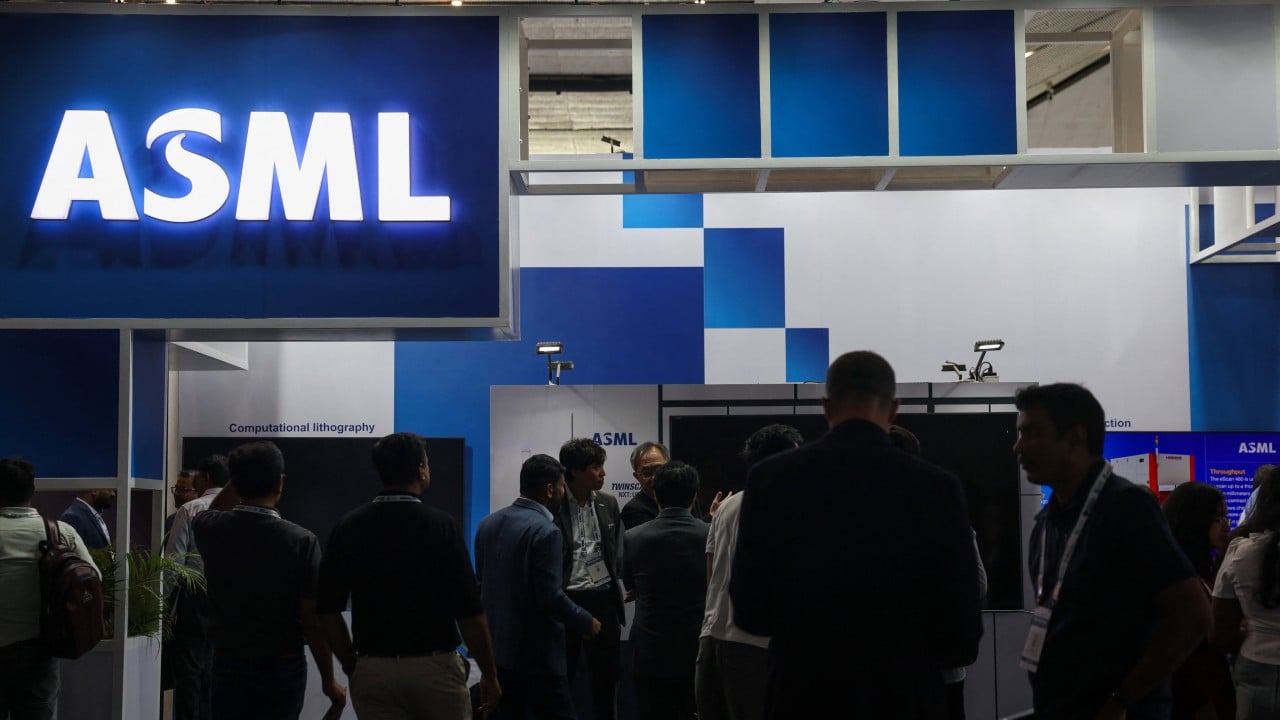
The report specifically highlighted that about 270 of these machines were made by Dutch company ASML, with another 89 purchased in 2025. While ASML's most advanced extreme ultraviolet (EUV) lithography tools are subject to Western export bans, immersion DUV systems, which can still be sold to China, have been widely used for manufacturing sophisticated chips.
The report estimated that the influx of these machines has enabled Chinese fabs to produce chips on a scale that rivals Nvidia's H100 AI chips. The Dutch company ASML has seen a significant portion of its sales going to China over the past few years, with China accounting for 41 percent of its net system sales in 2024 and 33 percent in 2025.
However, shipments to China have recently decreased, dropping to 19 percent in the first quarter of 2026 and 14 percent in the second. The report argues that a complete ban on all immersion DUV equipment, along with restrictions on replacement parts and servicing, could help curb China's semiconductor capabilities. This recommendation aligns with growing pressure in the US Congress, with the bipartisan Match Act seeking to impose similar restrictions on sales and servicing of chipmaking equipment that China cannot easily manufacture itself.
Written by urgent.news from SCMP Tech's reporting — not their text. Machine-written — may contain errors; check the original before relying on it.